The Medical Reality of a Summer Transfer
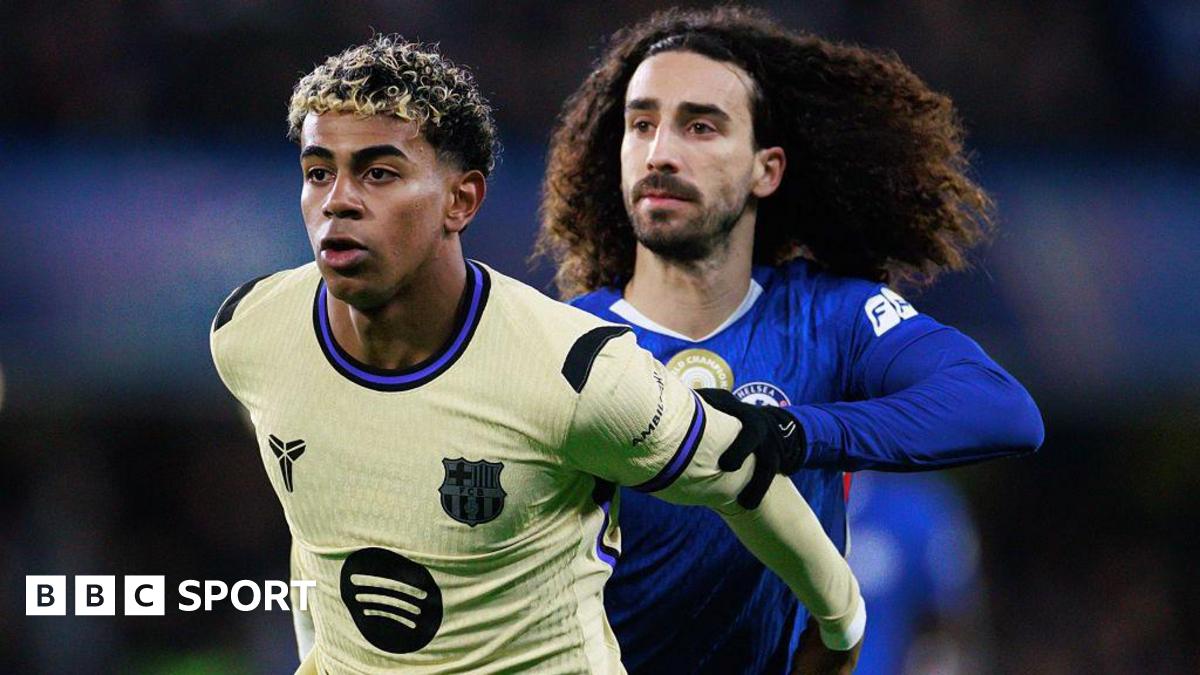
Sky Sports is reporting that Atletico Madrid want to sign Marc Cucurella from Chelsea this summer. From a tactical standpoint, the move makes perfect sense for a team needing left-sided reinforcement. From a medical and sports science perspective, this is a massive roll of the dice for the Spanish club.
"Chelsea latest: Atletico want Cucurella this summer."
Transfers at this level are no longer just about scouting tape and agent negotiations. Modern recruitment is dictated entirely by load management, injury history, and biomechanical data. Cucurella’s medical file is going to be the most heavily scrutinized document in Madrid this summer.
Chelsea’s medical department has been under intense public and internal pressure for years. The club has consistently ranked near the top of the Premier League for days lost to injury since the 2022 ownership change. Players like Reece James, Ben Chilwell, and Romeo Lavia have spent significantly more time on the treatment table than on the pitch.
Cucurella has largely avoided the catastrophic, season-ending ligament tears that plagued his defensive teammates. However, his physical profile has taken a severe battering. He underwent surgery for a significant ankle injury in December 2023. That procedure sidelined him for months and fundamentally altered his biomechanical baseline.
The Post-Surgery Decline
Ankle surgeries in modern fullbacks rarely leave the player completely unchanged. The joint handles the entire load of acceleration, deceleration, and high-speed lateral changes of direction. Cucurella has always relied heavily on short-area quickness to close gaps.
Watch his tape from his Brighton days. He possessed an explosive initial burst that allowed him to shut down opposing wingers instantly.
That burst has noticeably faded since the late 2023 surgery. He compensates with aggressive positioning and tactical fouling, but the raw physical output is definitively diminished.
This is the major negative observation that Atletico's medical staff must address. Cucurella is simply not the same physical specimen he was three years ago. His top sprint speed has dropped, and his recovery time between high-intensity actions has lengthened considerably.
Chelsea has demanded massive minutes from him whenever he is actually cleared to play. He carried a heavy load through the 2023-2024 season, culminating in a grueling Euro 2024 campaign where Spain lifted the trophy. He played heavily in that tournament, and the physical toll of deep summer cup runs compounds rapidly over time.
With the FIFA World Cup 2026 kicking off in just 22 days, the global calendar is more compressed than ever. Players are breaking down at record rates. Signing a player with a surgical history right before a major international tournament cycle is a major strategic risk.
The Simeone Fitness Test
Moving to Atletico Madrid is not a physical reprieve for aging or battered players. Diego Simeone runs one of the most demanding tactical setups in world football. The physical requirements placed on wingbacks in his system are famously brutal and uncompromising.
Atletico’s training sessions are heavily focused on endurance, repetitive sprinting, and aggressive defensive pressing. Players arriving from other leagues routinely struggle to adapt to the physical shock of moving to the Metropolitano. The baseline fitness requirements are simply higher than at most elite European clubs.
We have seen similar situations play out with players moving from England to Spain. Kieran Trippier made the exact same move from Tottenham to Atletico. Trippier adapted beautifully and won a league title, but he arrived with a much cleaner recent medical record and fewer joint issues.
Conversely, Eden Hazard’s move to Real Madrid remains the ultimate cautionary tale of ignoring physical wear and tear. Hazard arrived in Spain after years of taking heavy contact and accumulating minor injuries in the Premier League. His body broke down almost immediately upon facing the demands of a new league. Cucurella is not Hazard, but the accumulated physical load from the chaotic Chelsea environment is a glaring red flag.
Chelsea's Need to Offload Minutes
For Chelsea, moving Cucurella is as much about squad physical profiling as it is about financial accounting. The club desperately needs to reset its defensive fitness baseline under their current management structure. Keeping a fullback with a surgical history on massive wages makes little sense for their long-term rebuild.
Chelsea's broader medical strategy has clearly shifted in recent months. They are actively trying to move away from players with chronic joint issues or heavy accumulated mileage. The new ownership has learned a harsh, expensive lesson about the financial cost of dead medical weight sitting in the stands.
If Atletico pushes ahead with the transfer, the medical evaluation will take days, not hours. They will need extensive MRI imaging of that surgically repaired right ankle. They will test his lateral force production on force plates to identify any lingering imbalances.
The Broader Industry Trend
This potential transfer highlights a growing trend in the elite European market. Top-tier clubs are increasingly treating transfer targets like depreciating physical assets rather than purely sporting ones. The days of signing a player purely on reputation and hoping the medical team can keep him fit are completely over.
Data rules everything in modern scouting. Atletico will undoubtedly request access to Chelsea’s GPS tracking data from recent training sessions. They will analyze Cucurella’s deceleration metrics to see if he subconsciously favors his non-surgical ankle during high-stress movements. This granular level of medical vetting often kills massive deals at the final hurdle.
Rival clubs across Spain and England will be watching this transfer saga closely. If Atletico decides the medical risk is too high after initial talks, Cucurella’s market value will plummet across Europe. A failed medical or a withdrawn bid due to fitness concerns is a scarlet letter in modern football.
The Final Verdict
The Sky Sports report confirms the Atletico interest is very real. The Spanish side clearly believes Cucurella's tactical intelligence and aggressive mentality can outweigh his recent physical decline. That is a dangerous game to play when targeting success in the Champions League.
At 27 years old, Cucurella should theoretically be operating in his physical prime. The reality of modern elite football, with its bloated calendar and relentless physical demands, means his actual athletic peak may have already passed him by.
He will need a perfectly managed preseason if the move happens this summer. Simeone will need to rotate him carefully, especially during the grueling winter months of the La Liga campaign. If they throw him into a 50-game season straight away, his body will almost certainly fail.
The transfer makes sense on paper. In the medical room, it looks like a ticking clock. Atletico Madrid must decide if they are buying the player who dominated the left flank at Brighton, or the physically compromised version currently surviving at Stamford Bridge.
Read Next
- Why Brighton won't let the Cresswell transfer drop
- Brighton's interest in Cresswell is weird, but it makes perfect tactical sense
- Top 10 Moments That Prove Xabi Alonso is the Tactical Fix Chelsea Needs
- Inside Arsenal's chaotic title party as Man City finally crack
- ⚽ La Liga 2025-26 — Title Race Hub
- ⭐ UCL 2026 — Champions League Quarter-Finals Hub