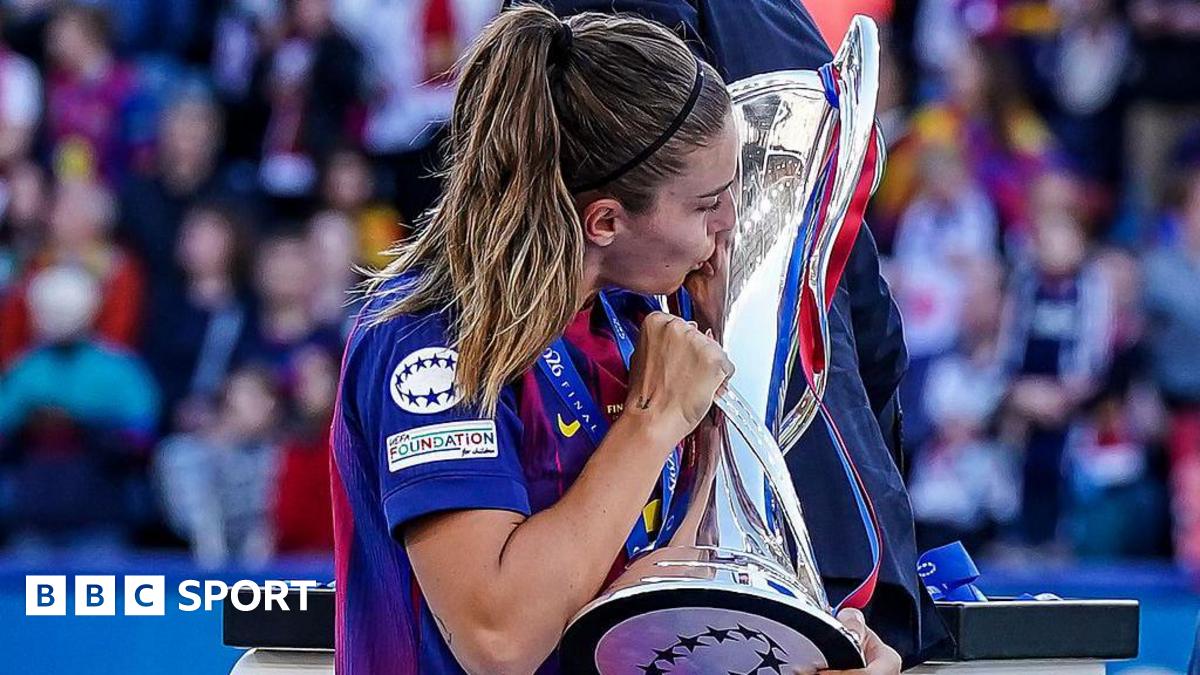
A sudden end to the Camp Nou era
The timing could not be more jarring. Only days after Barcelona reclaimed the European crown, the club confirmed that captain Alèxia Putellas will leave upon the expiration of her contract. After 14 years, the 32-year-old midfielder departs a squad that just hoisted the trophy, leaving a void that is more than just tactical.
We are talking about a two-time Ballon d’Or winner who defined a generation of Catalan dominance. The departure leaves management with a massive hole in the creative engine room. Without her ball retention and vision in the final third, the tactical identity of this Barcelona side faces a forced evolution.
The London City intrigue
Rumors circulating since the announcement point toward a destination that has sent shockwaves through the league. While elite clubs across Europe were expected to scrap for her signature, London City Lionesses have emerged as a genuine contender to bring the Spanish icon to England.
As the BBC recently highlighted, the logistical and financial hurdles of such a move define the current transfer market insanity. Signing a player of her caliber would represent the biggest deal in WSL history, though questions remain regarding whether she wants to compete at the absolute pinnacle of the Champions League next season.
Tactical ripple effects
It is worth noting the fragility of Barcelona’s midfield balance. Throughout the season, Barcelona relied on Putellas to dictate the tempo against high-pressing blocks. Without their captain, coach Pere Romeu must find a direct replacement or shift the formation entirely to accommodate the remaining personnel.
The club’s reliance on her passing rhythm was plain to see in the final. She completed 92% of her passes in the transition phase, acting as the primary link between the holding midfielder and the high press. Losing that output is a massive blow regardless of the depth in their current roster.
Where the cards fall
One must wonder if this is a mistake in planning. After winning the European crown, you would expect a club to double down on maintaining the status quo, not bidding farewell to the heartbeat of the team. If she ends up at a side not involved in European competition, the footballing logic becomes even harder to parse.
My prediction? She signs with an established Champions League contender in France or England. The draw of the WSL is strong, but the prospect of competing for continental hardware remains the primary driver for a 32-year-old at her level. Expect a formal announcement before the international window for the World Cup opens on June 11, 2026. As reported today, the interest is real, but the project has to match the pedigree of the player. This is not just a transfer; it is a signal of shifting power in the women's game.