The end of an era at Kingsmeadow
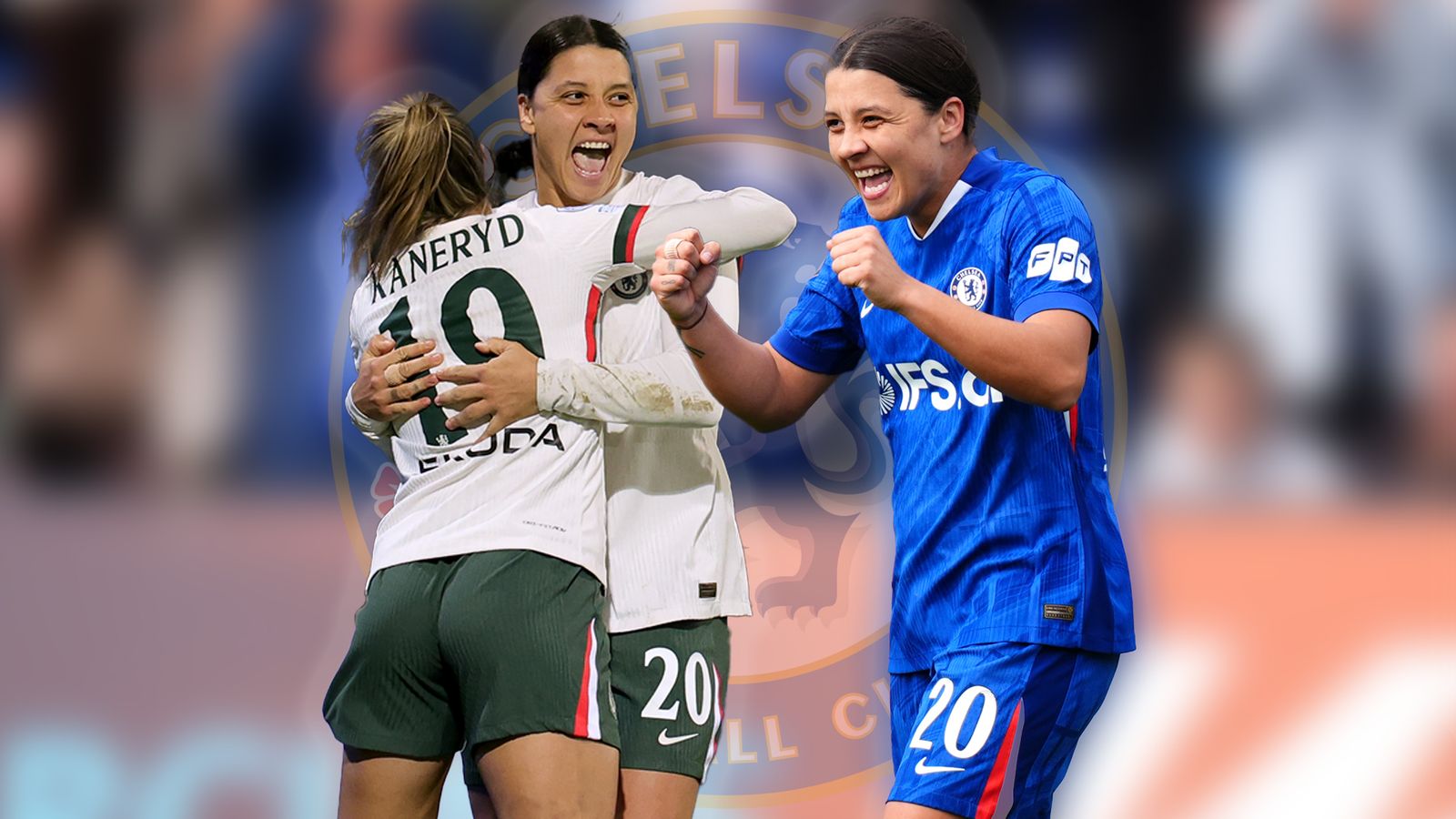
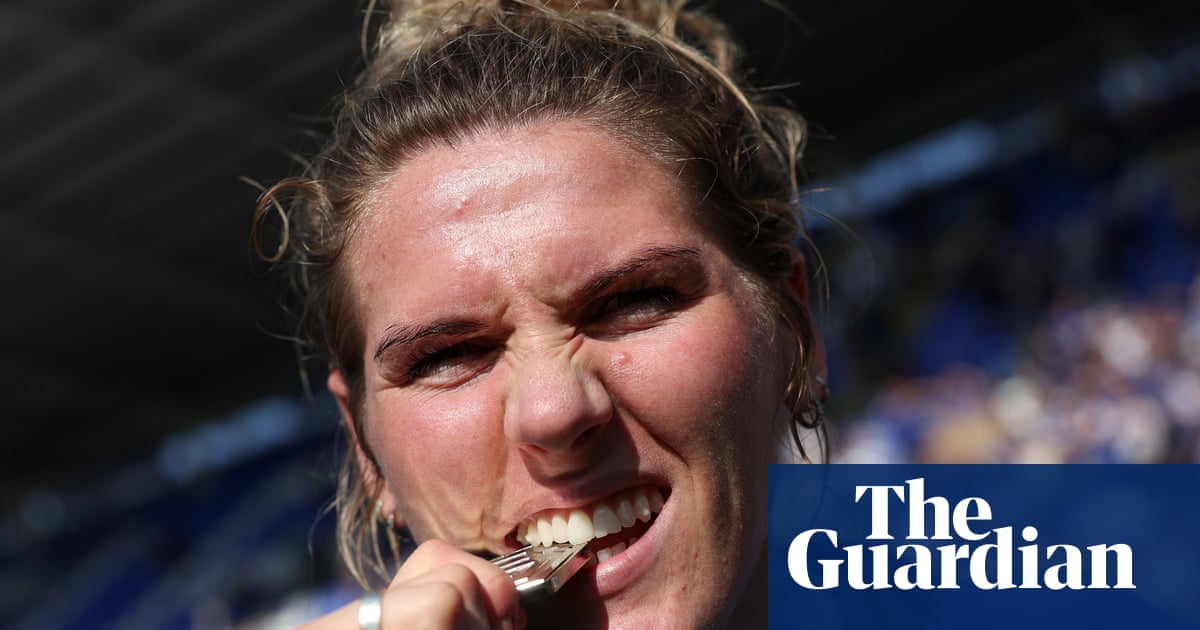
Millie Bright's career did not end with a trophy lift or a final clean sheet. It ended at a desk, mid-video, with an emotional admission that the toll of the sport had become physically and mentally insurmountable. As The Guardian reported, her departure from the game is a sobering punctuation mark for Chelsea and England.
We focus so often on the tactical acumen of modern center-backs—the diagonal ball sprayed to the wing, the high line management—that we ignore the human cost. Bright was the definition of defensive consistency since her arrival in 2014. She provided the backbone for domestic dominance, yet her recent struggles with injury suggest the physical demands of playing at the elite level have become unsustainable.
The shadow of social media toxicity
Beyond the hamstring strains and the knee issues, a darker narrative has emerged. The Daily Mail noted that Bright cited personal struggles and unacceptable amounts of abuse. It is a damning indictment of the environment surrounding the women's game.
When a player who lifted the Euros in 2022 and captained her country to a World Cup final in 2023 admits she lost herself, we need to take stock. The vitriol found in the digital space redirected her internal focus away from the pitch. It is an indictment of the broader culture that a player of her caliber felt forced to step away because the noise became louder than the game itself.
Defining her tactical legacy
Bright’s game was never about flash. She was the anchor in a system that required constant restructuring as Chelsea pushed forward. Her passing accuracy rarely dipped below 85% in league play during her peak seasons, acting as the primary reset button for build-up play.
Her partnership with various defensive partners highlighted her ability to organize. Whether playing in a back three or a traditional two-center-half pairing, she managed triggers for the press with surgical precision. Chelsea now faces a void in leadership and technical competence that one transfer window cannot fill. As explored in her recent sit-down with the BBC, the future is uncertain for both the player and the club.
Predicting the vacuum
Chelsea will struggle to recreate her organizational presence before the 2026-27 season begins. The leadership group must rotate quickly, but finding a vocal organizer who maintains defensive discipline while operating at her 87% passing efficiency will be the primary task of the next manager. It is a critical blow that will likely see Chelsea concede higher volume shots in transition next term.
My prediction? Chelsea will ship more goals on the counter-attack in the opening ten games of next season. The loss of her aerial dominance—winning over 70% of her duels—will force a tactical shift that makes the team more vulnerable to long-ball tactics, a weakness they haven't had to worry about for years.