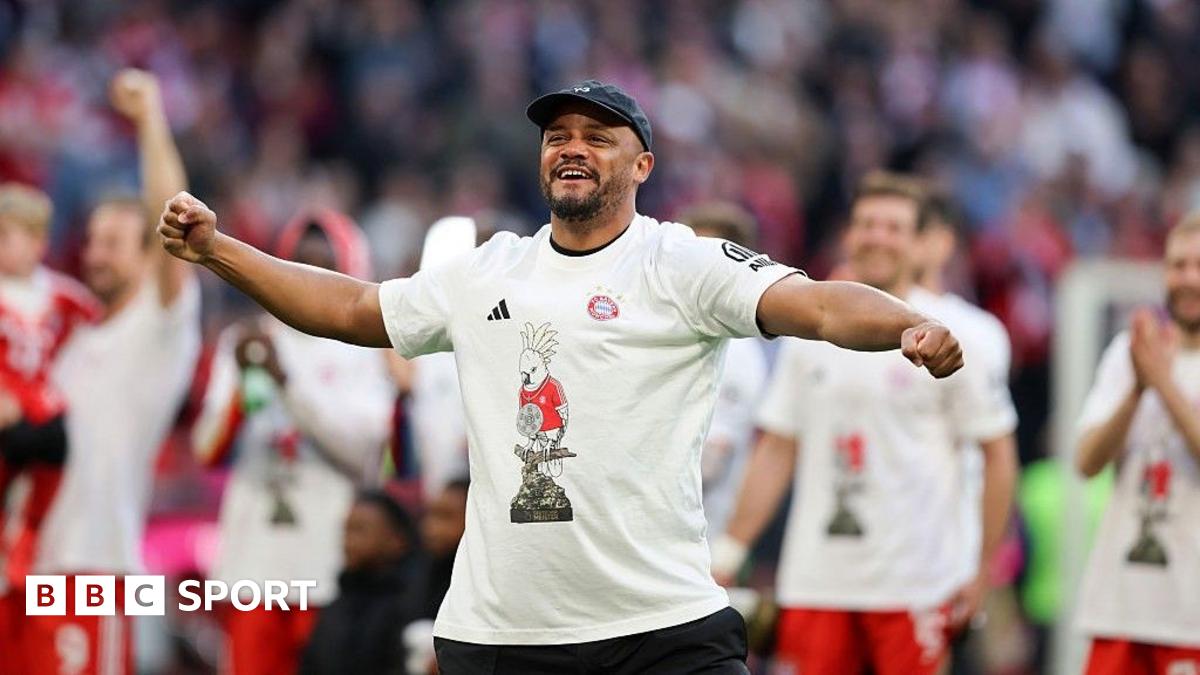
The Cockatoo Celebration
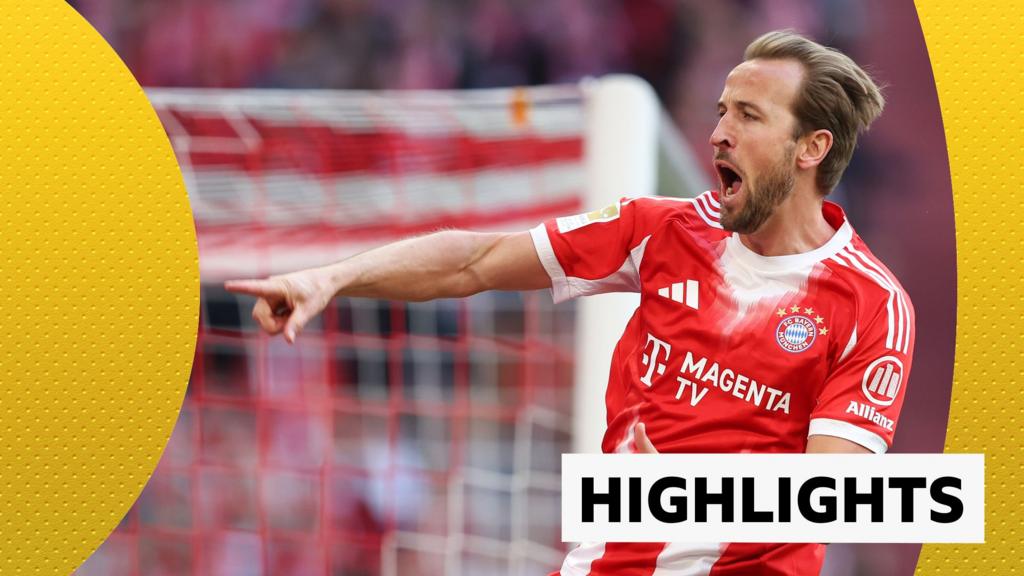
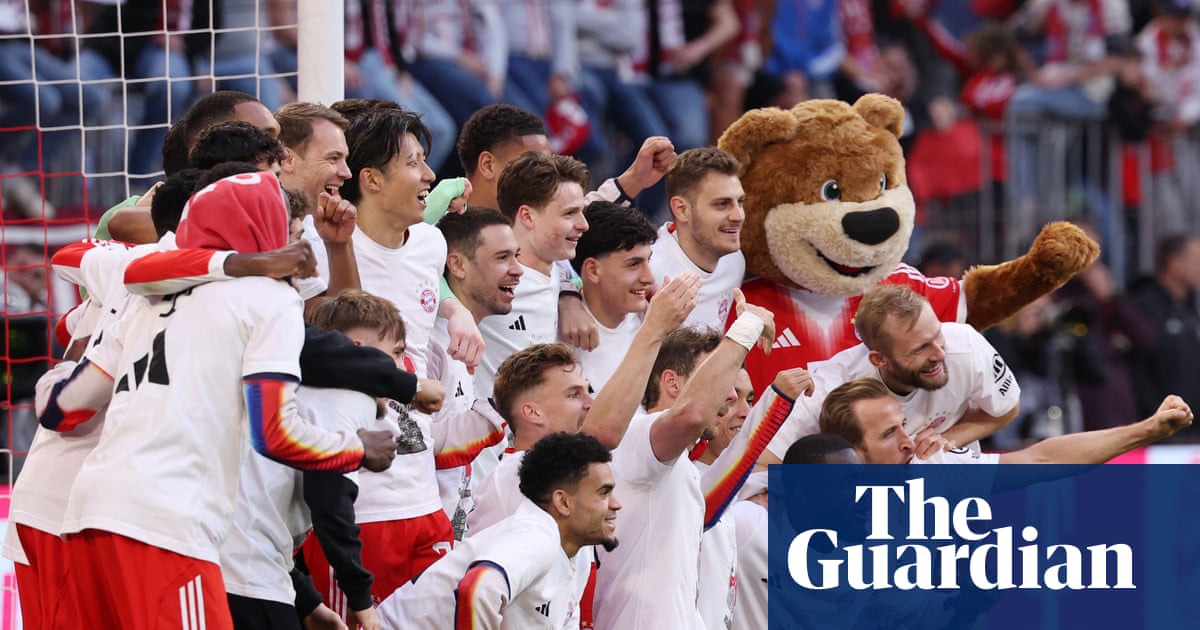
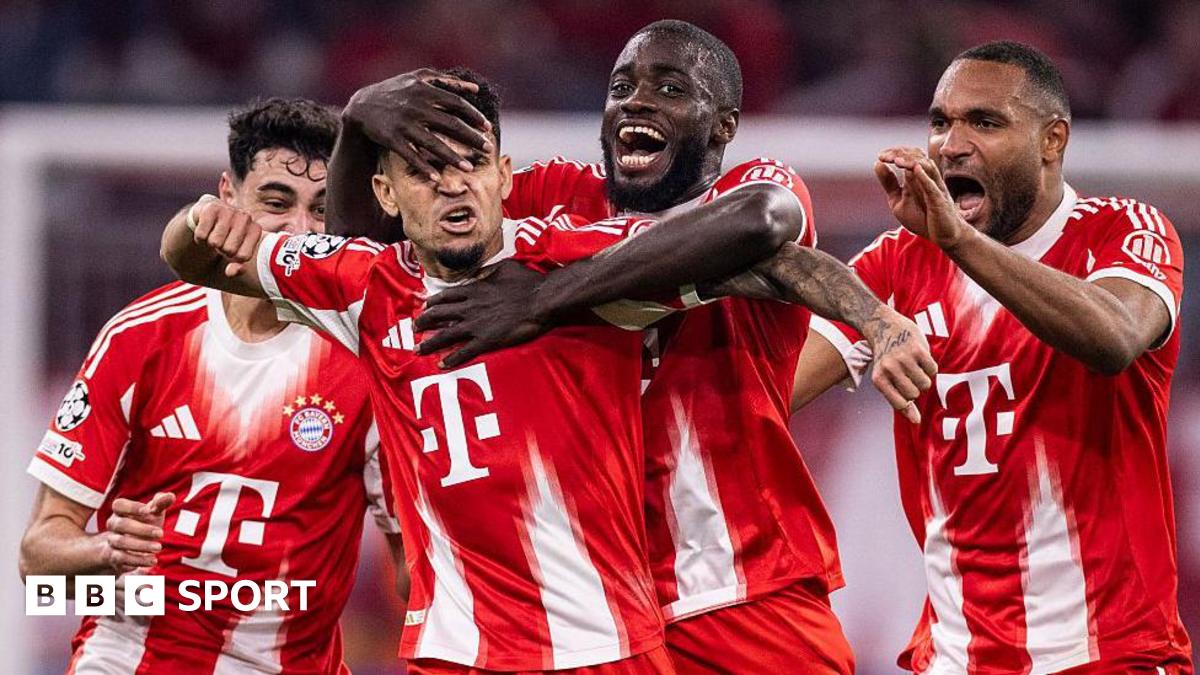
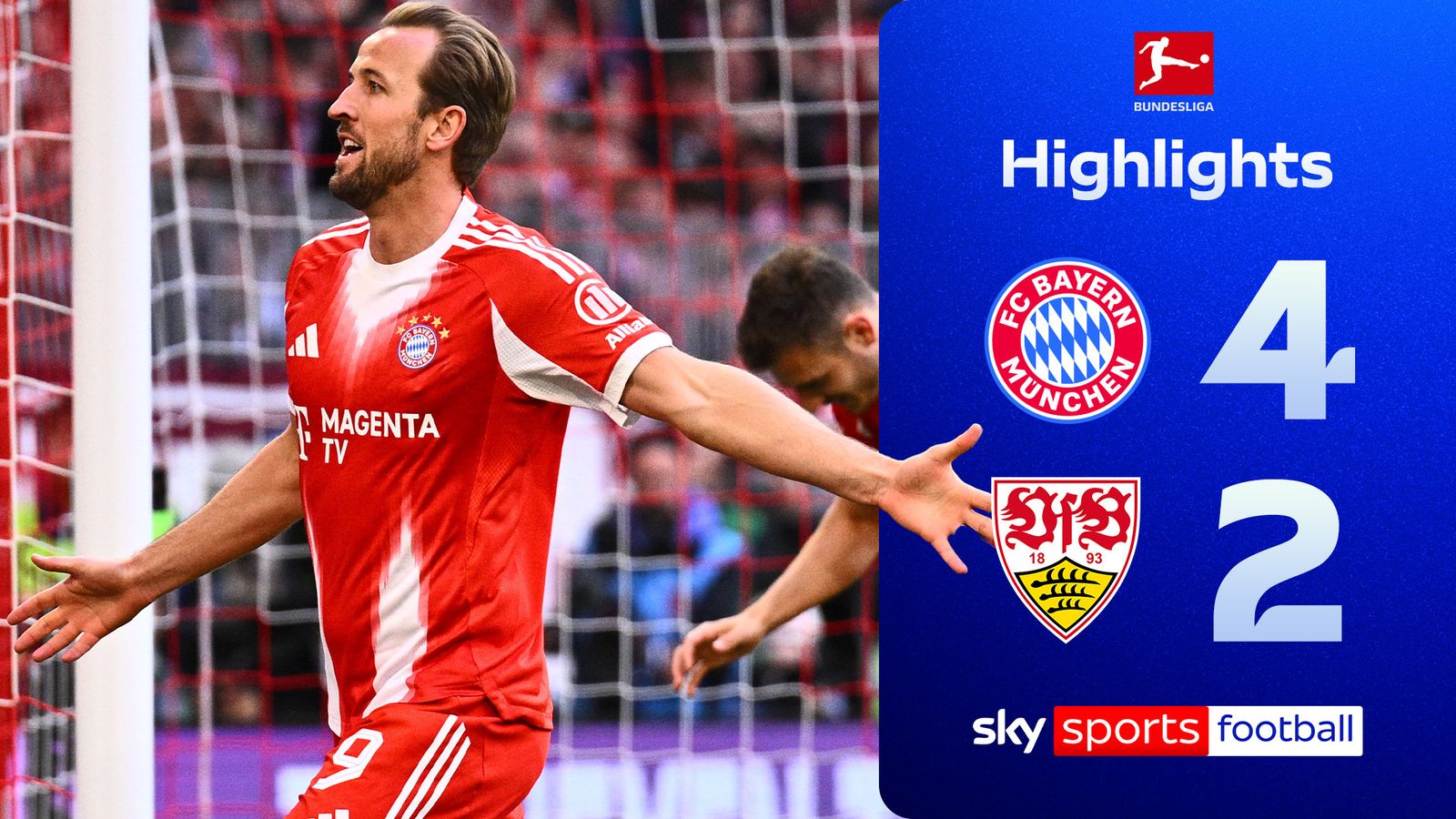
Bayern Munich secured their 35th German top-flight title on Sunday. The squad celebrated in a deeply unconventional manner. Players wore T-shirts displaying a prominent cockatoo, as reported by the BBC.
The imagery was bizarre. Football celebrations usually feature standard championship merchandise. This squad chose a tropical bird instead. It points to a tight-knit group relying on inside jokes to survive a grueling nine-month campaign.
From a medical perspective, title celebrations are diagnostic events. You watch the players jump. You scan for heavy strapping. You look for a subtle limp. The adrenaline of securing the championship masks deep physical trauma.
These athletes spent nearly a year pushing their bodies to the absolute limit. The cockatoo T-shirts offer levity. Beneath the cotton, however, these players are battered. They have endured thousands of high-intensity sprints.
The Physical Reality of a Title Run
Winning a top-flight division requires physical durability. Modern tactical systems demand relentless pressing. Midfielders routinely cover more than 11 kilometers per match. That volume destroys soft tissue.
A significant percentage of that distance occurs at maximum velocity. Every single acceleration places immense strain on the body. Sprinting down the wing forces hamstrings to absorb multiple times the player's body weight.
Multiply those forces across a thirty-four match domestic schedule. The physics of modern sport are terrifying. Hamstring strains and groin issues are no longer bad luck. They are the mathematical result of excessive muscular loading.
Bayern Munich's medical department deserves credit for crossing the finish line. Managing a roster through the freezing German winter is a physiological nightmare. Cold muscles tear faster. Hard pitches destroy knee cartilage.
Keeping star players out of the treatment room dictates the season. Championships are rarely won by the best starting eleven. They are won by the squad that avoids an injury crisis in February.
Historical Context in Bavaria
Bayern Munich has a complex history with sports medicine. For decades, the club relied on Dr. Hans-Wilhelm Müller-Wohlfahrt. His unorthodox treatments defined the medical identity in Bavaria. He clashed constantly with managers.
The biggest rupture occurred during Pep Guardiola's tenure. The Catalan manager demanded faster recovery times. The medical staff pushed back. They argued biological healing cannot be accelerated by sheer willpower.
That historical friction highlights a persistent football problem. Managers need immediate results to save their jobs. Medical professionals must protect long-term athlete health. Those two objectives constantly collide.
Today, the club uses a data-centric approach to load management. GPS tracking dictates training intensity. Blood marker analysis flags fatigue. Yet, the human body remains fragile.
The Mental Toll and Release
We must consider the psychological aspect of Sunday's celebration. The mental fatigue of a title race is enormous. Players endure strict diets and monitored sleep schedules. The public scrutiny never stops.
The cockatoo shirts represent a psychological release valve. Elite athletes need these moments of absurd humor. The strict discipline required to win a domestic title creates massive internal pressure.
This humor acts as a vital bonding agent. Teams that laugh together suffer together more effectively. When lactic acid burns in the 89th minute, players rely on these personal connections to push through.
Mental fatigue directly correlates with physical injury. A tired mind reacts milliseconds slower to a tackle. That tiny delay is the difference between a clean evasion and a torn ligament.
Burnout is a clinical condition. Sports scientists track it just as rigorously as muscular fatigue. The emotional peaks of a nine-month campaign drain the adrenal system. Cortisol levels spike during high-stakes matches.
Finding ways to laugh actively lowers stress hormones. It pushes the body into a parasympathetic state. Cellular repair requires this state. The silly cockatoo graphic serves a genuine medical purpose.
By securing the title now, the squad earns a mental break. The medical staff will advocate for reduced training intensity. Dead-rubber matches offer the perfect opportunity to rest exhausted starters.
The Fixture Congestion Crisis
We cannot discuss fitness without addressing the global football calendar. Governing bodies treat athletes like indestructible machines. The sheer volume of matches is a severe threat to the sport.
UEFA and FIFA expand competitions purely for broadcast revenue. These formats force players into midweek fixtures with minimal recovery windows. This relentless schedule is practically negligent.
The negative impact is obvious. Match quality drops in the final twenty minutes. Players are running on empty. The increased frequency of severe muscular injuries is a direct result of administrative greed.
Bayern's title win is a triumph of survival. The players are surviving despite the schedule. They are not thriving within it. The industry needs hard caps on annual player minutes.
The Shadow of the 2026 World Cup
The timing of this title victory matters heavily. The 2026 FIFA World Cup is rapidly approaching. The tournament kicks off on June 11, 2026. Players have virtually zero time for a genuine off-season.
If Bayern reach the UCL Final on May 28, 2026, the turnaround is brutal. Their stars will have just two weeks before the World Cup begins. The physical transition is incredibly dangerous.
Medical departments are terrified of this upcoming summer. National team managers will demand peak performance. These players have been running non-stop since August. The injury risk in North America will be immense.
For Bayern's international contingent, the work continues. Securing the domestic title early provides a rare window to pre-hab minor injuries. Players must manage this brief period effectively to survive the summer.
The Immediate Medical Strategy
In the coming days, the medical staff will conduct physical evaluations. Players carrying chronic issues will schedule surgical interventions. Playing through the pain is no longer required.
Expect several key players to drop out of matchday squads. Minor knee clean-outs and hernia repairs are commonly booked now. The priority shifts instantly from domestic dominance to pre-season readiness.
Recovery protocols will shift toward passive modalities. Cryotherapy chambers and hyperbaric oxygen therapy will replace field work. The coaching staff will hand control directly back to the sports scientists.
Every dietary choice over the next three weeks will focus on flushing out fatigue. The goal is no longer building match sharpness. The goal is reversing the physiological debt accrued since last August.
These preventative surgeries are the hidden reality of football. Fans see the trophy lift and the T-shirts. They miss the early morning hospital visits. Elite sport is a constant battle against biological degradation.
The cockatoo celebration was a moment of pure joy. But for the medical and fitness teams, the real work starts now. They must repair the damage and prepare for an even more punishing calendar.
Read Next
- Bayern’s Bundesliga walkover reveals a deep obsession problem
- Bayern Munich reclaim the Bundesliga crown with ruthless efficiency
- Bayern Munich wrap up Bundesliga title in dominant fashion
- Bayern won the league, but their midfield is begging to be destroyed in Europe
- ⚽ Bundesliga 2025-26 — Title Race Hub
- ⭐ UCL 2026 — Champions League Quarter-Finals Hub