Tactical paralysis in the Belgian half
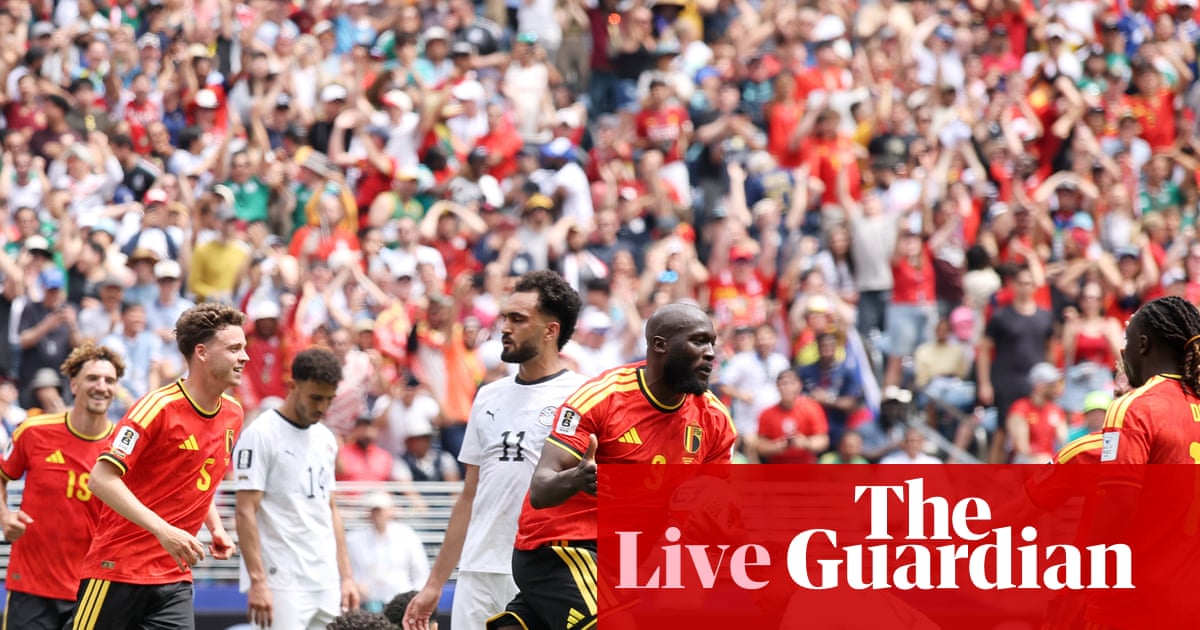
Belgium’s recent stalemate against Egypt revealed a fundamental misalignment. Despite controlling 62% of possession, the Red Devils lacked the verticality required to break down a compact low block. The stats from the match report confirm the issue; too many lateral passes in the middle third and a distinct lack of movement between the lines.
The absence of a cohesive pressing trigger allowed Egypt to dictate the tempo of their transitions. While Romelu Lukaku’s tactical intelligence eventually forced the error for the equalizer in the 78th minute, his introduction highlights a broader dependency on individual moments rather than systemic fluidity. Relying on sheer physicality inside the 18-yard box is not a sustainable route to knockout phase success.
Midfield isolation and wasted space
The central pairing looked disjointed. They frequently moved in parallel rather than as a staggered unit, effectively cutting off passing lanes to the attacking midfielders. With the opposition sitting deep, the spacing became claustrophobic. Wide players drifted inside too early, dragging defenders with them and failing to stretch the pitch horizontally.
Defensively, the high line was exposed twice in the first half. A simple diagonal ball proved enough to bypass the entire midfield, placing the center-backs on an island against quick strikers. This inability to manage space between the defensive block and the goalkeeper is a recurring flaw. Unless adjustments are made to the pivot structure, better-organized teams will exploit these gaps with surgical efficiency.
Predictable moves in a stagnant window
This match served as a stark reminder of why Spain’s earlier troubles mirror the struggles of other traditional heavyweights. Managing the transitions of international squads is difficult, but the lack of intensity during the press suggests a group that hasn't fully bought into the required work rate. As the transfer window continues until September 1, clubs often look for quick fixes, but Belgium needs a structural shift.
We are seeing clubs spend indiscriminately to solve tactical problems that money cannot fix. If national teams prioritize legacy names over functional tactical utility, the results will remain stagnant. The data shows that teams winning in this climate are those prioritizing transition speed and defensive discipline over individual prestige.
Predicting the path forward
The coaching staff must address the disconnection between the midfield and the attacking line before the next fixture. If they maintain the current setup, expect more frustrating draws where the xG fails to translate into a measurable win. The tactical regression is apparent; the team appears more comfortable passing horizontally than attacking the space behind the fullbacks.
I expect them to continue struggling against disciplined, organized defenses. If they do not integrate more direct, vertical passing into their philosophy, their progress will stall. I predict a 1-1 draw in their next outing unless they swap a defensive midfielder for a creative engine capable of splitting defenses.
Read Next
- Belgium barely escaping Egypt is the biggest World Cup wake-up call
- Egypt versus Belgium: Can Ashour sustain his attacking output?
- De Bruyne and Salah headlines: Is Belgium vs Egypt a tactical dress rehearsal?
- Belgium versus Egypt is the World Cup's weirdest culture clash
- 🇧🇪 Belgium World Cup 2026 — Red Devils Hub
- 🇪🇬 Egypt World Cup 2026 — Salah's Last Dance