Match Fitness and Physical Status
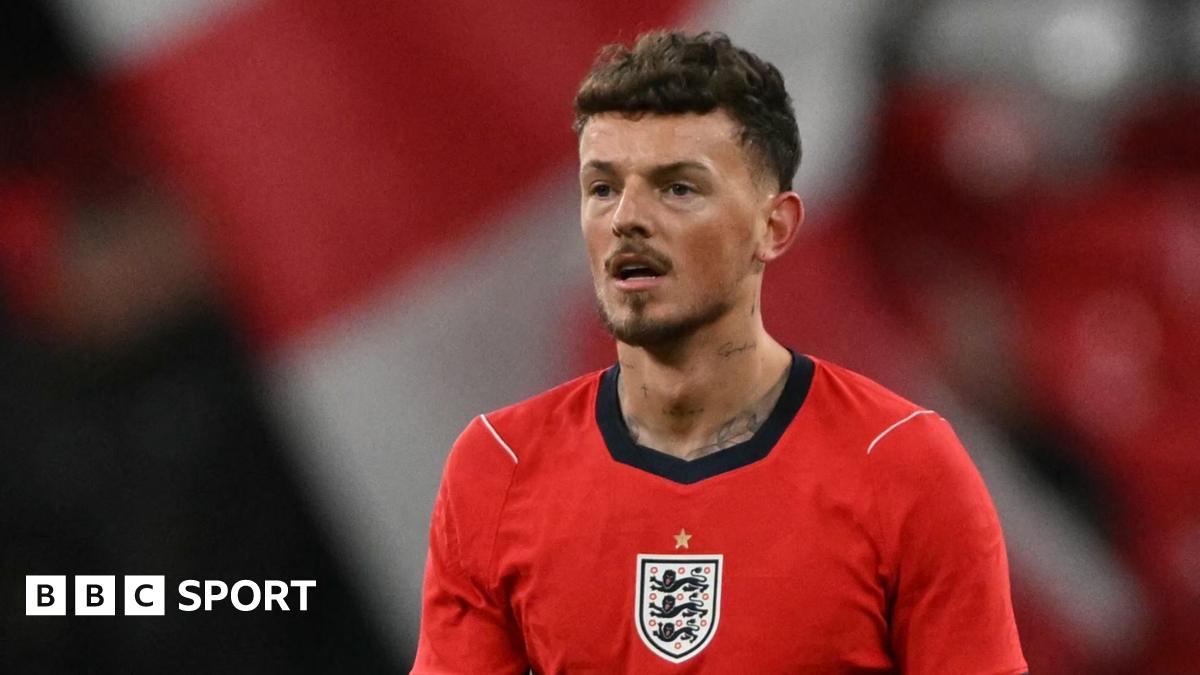
Thomas Tuchel is dealing with a messy fallout after England’s bruising 1-1 draw with Uruguay at Wembley. The headline grabber was the hostile reception for Ben White.
The Arsenal defender was jeered by sections of the home crowd when brought on as a substitute. Tuchel was visibly frustrated post-match. The England manager called the Wembley crowd "disappointing" and insisted the detractors "cannot be the majority."
From a sports science perspective, the medical staff now face a unique challenge. White emerged from the fixture without any physical injury. He requires zero medical treatment for muscular or structural issues.
No matches will be missed due to physical trauma. He is fully cleared for continued action. However, the psychological load of a hostile home stadium triggers measurable physiological responses.
Acute stress spikes cortisol and adrenaline levels in the bloodstream. This alters a player's heart-rate variability and directly delays standard post-match recovery. The medical team will be monitoring his sleep data and subjective wellness markers closely over the next 48 hours.
The staff must ensure the mental strain does not manifest as physical fatigue. High-stress environments cause unconscious muscle tension. This tension drastically increases the risk of soft-tissue damage during subsequent training sessions.
White is physically uninjured today. But his injury risk profile for the upcoming week has elevated significantly. The England fitness department knows they are walking a tightrope.
The Impact of the Booing
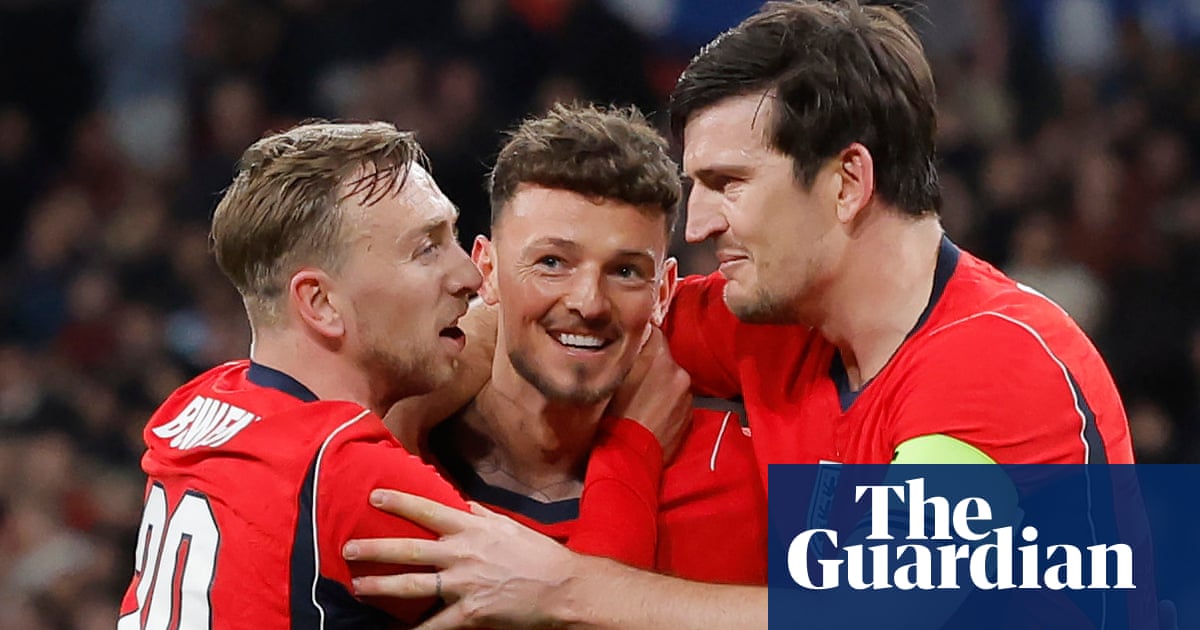
The Guardian reported that White was both "hero and villain" on the night. Coming off the bench in a chaotic international fixture demands a rapid physical escalation.
Substitutes must reach maximal sprint speeds within minutes of crossing the white line. This sudden acceleration is a known danger zone for hamstring and calf strains. It destroys unprepared muscles.
White managed that sudden spike in intensity cleanly. He completed his minutes without triggering any red flags on the GPS tracking data. The England medical staff will be relieved.
Uruguay are not opponents who allow a substitute to ease into the rhythm of a match. They are notoriously physical and rely on aggressive transitions. Every loose ball is violently contested.
Matching the immediate sprint speed of a transitioning Uruguayan attack requires massive power output. The neuromuscular toll of bracing for impact, contesting aerial duels, and sudden changes of direction is immense.
White absorbed this perfectly. His underlying fitness metrics have been elite all season. That base conditioning protected his joints and ligaments here.
Historical Context of Wembley Hostility
White’s return to the England setup has been a long, complicated process. He famously left the 2022 World Cup camp in Qatar. He then made himself unavailable for selection for an extended period.
That historical context is vital for understanding the current medical strategy. This is not a standard call-up from a fitness perspective. The England medical team is dealing with a player who has heavily prioritized his well-being in the past.
They cannot afford to ignore the early physiological signs of stress. When elite players are forced to endure toxic environments, their physical performance inevitably drops over time. Muscle tension increases naturally.
Reaction times slow down fractionally. The risk of sudden groin strains skyrockets. The booing at Wembley was not just a public relations headache. It was a direct threat to his physical readiness.
We have seen this exact script before with other England internationals. Ashley Cole endured relentless booing at Wembley in 2008. Harry Maguire faced similar hostility during recent international windows.
Joe Gomez was famously jeered after a training ground altercation. In each case, the psychological burden translated into physical challenges on the pitch. Players lose their natural rhythm.
Overcompensation and Refereeing Dangers
When players face their own hostile fans, they frequently overcompensate. They run harder, tackle heavier, and push their bodies beyond safe metabolic thresholds to prove the crowd wrong.
This artificial adrenaline spike is incredibly dangerous. It masks early signs of fatigue and leads to severe soft-tissue damage later in the week. The body writes checks the muscles cannot cash.
White’s energetic performance against Uruguay suggests he was heavily involved in the action immediately. He was forcing the issue to establish his presence. The medical staff must recognize this adrenaline dump.
His recovery protocol needs to be extended. A standard two-day recovery window will not be sufficient after an emotional spike of this magnitude. He needs total decompression.
Tuchel did not just criticize the fans in his post-match comments. The manager hammered the refereeing performance. This is a direct, urgent medical concern.
When an official loses grip on a match, the injury risk multiplies for every player on the pitch. Lenient officiating allows late tackles and dangerous challenges to go unpunished.
Players are forced to protect themselves rather than focus on the ball. This alters their biomechanics mid-sprint and increases the chance of awkward, season-ending landings. The medical staff hold their breath during poorly officiated games.
Timeline to the World Cup
England escaped Wembley without major casualties, but Tuchel’s anger is entirely justified. A manager relies on the referee to maintain a safe working environment. That basic safety was compromised against Uruguay.
This situation demands a critical look at the Football Association's handling of the return. Bringing White back into the fold was always going to be sensitive. Throwing him on as a substitute in a tight, physical game was a massive gamble.
It exposed him to a concentrated burst of crowd reaction without any buffer. There was no pre-match public relations campaign to soften the blow. The FA left him isolated on the touchline.
Tuchel defended him fiercely in his post-match press conference, stating,
"It cannot be the majority,"but the damage was already done in the stands.
Looking ahead, the calendar is relentless. White will return to his club shortly. Arsenal face the first leg of their Champions League quarter-final on April 07, 2026. That massive European tie is just 10 days away.
Arsenal Coordination and Final Verdict
The medical staffs of both England and Arsenal must communicate clearly to manage his upcoming load. They share the same goal: keeping the defender out of the treatment room.
His training load will be strictly monitored this week. Recovery sessions will replace high-intensity drills. Ice baths, massage therapy, and light mobility work will dominate his schedule before returning to club duty.
The lack of physical injury against Uruguay is the best news Arsenal could receive. They need him fully fit for the run-in. A soft-tissue injury now would erase him from the most demanding phase of the club season.
The broader context is the 2026 FIFA World Cup. The tournament kicks off on June 11, 2026, exactly 75 days away. Tuchel’s objective is to build a robust, unified squad capable of surviving a month-long tournament.
Reintegrating White was a necessary step, but the hostile reaction complicates the fitness timeline. The medical and psychological team have 75 days to rebuild his resilience within the England camp.
This is not a quick fix. It requires sustained support from the coaching staff. If White is to feature prominently this summer, his mental and physical load must be perfectly balanced over the next two months.
Read Next
- Ben White's Wembley rollercoaster proves Tuchel's England aren't ready
- Ben White's return and the tactical puzzle facing Thomas Tuchel
- Why England fans booing Ben White is a massive problem for Thomas Tuchel
- Top 10: Takeaways From Tuchel's Uruguay Auditions
- 🇺🇾 Uruguay World Cup 2026 — La Celeste Hub
- 🏆 FA Cup Final 2026 — May 16, Wembley