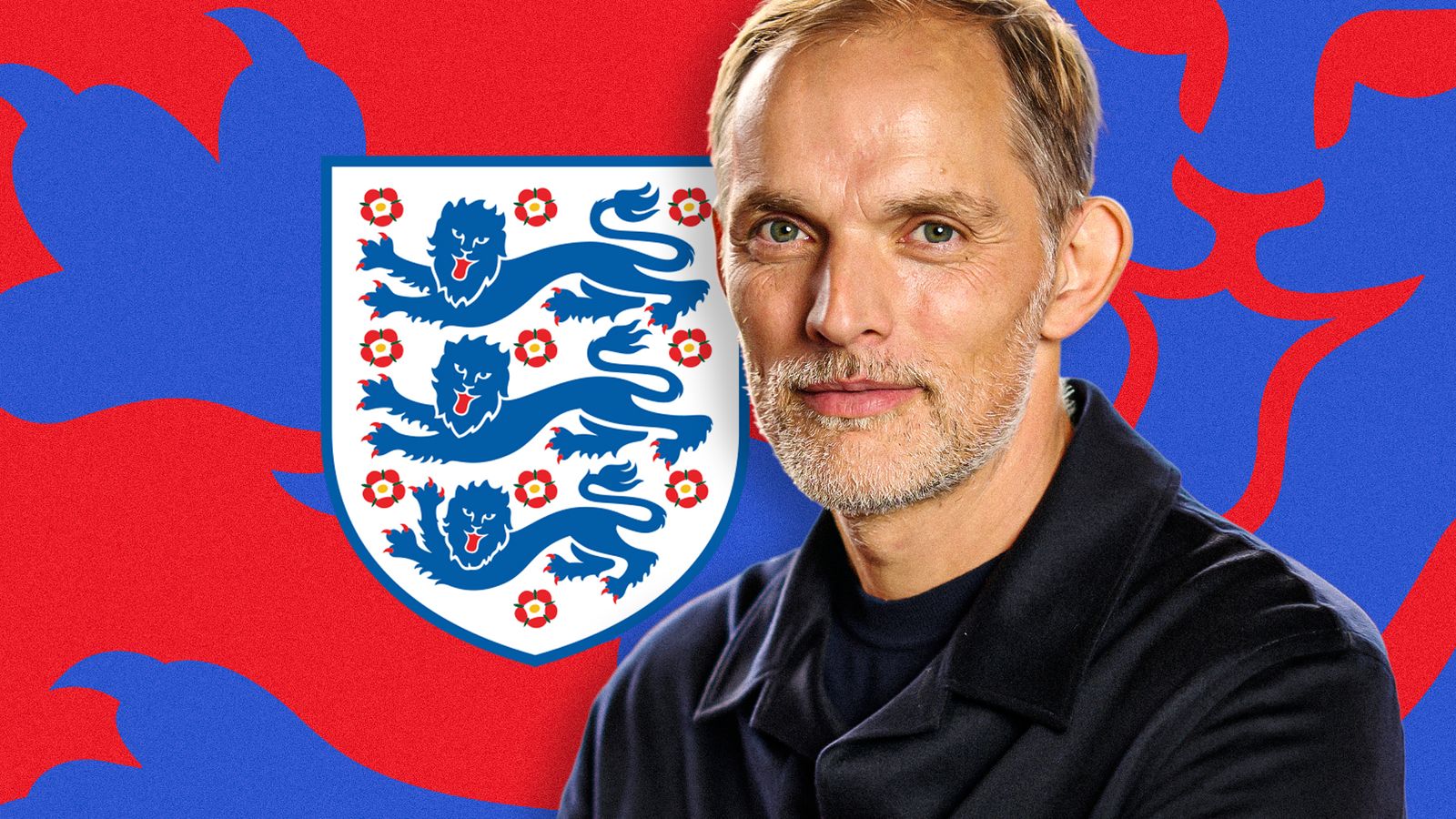
The Danger of the Audition Tape
Friday night under the Wembley arches was supposed to provide answers. With the FIFA World Cup kicking off in exactly 76 days, Thomas Tuchel is rapidly running out of runway. The tactical blueprint needs to be finalized, the squad hierarchy established, and the starting XI locked in.
Instead of clarity, we were handed a disjointed, frustrating mess. England staggered to a 1-1 draw against a rugged Uruguay side in a match that generated far more concern than optimism.
Tuchel rolled the dice heavily. He named a much-changed starting lineup, treating a high-level international fixture against elite South American opposition like a mid-season cup tie against lower-league opposition. It was designed to be an open audition for the fringe players desperate to book their seat on the plane to North America.
For the vast majority of the squad, those auditions fell entirely flat. The passing networks were broken. The pressing triggers looked like they were being translated through three different languages. It was a stark reminder that international football requires chemistry, and chemistry cannot be synthesized in a three-day training camp.
The Duality of Ben White
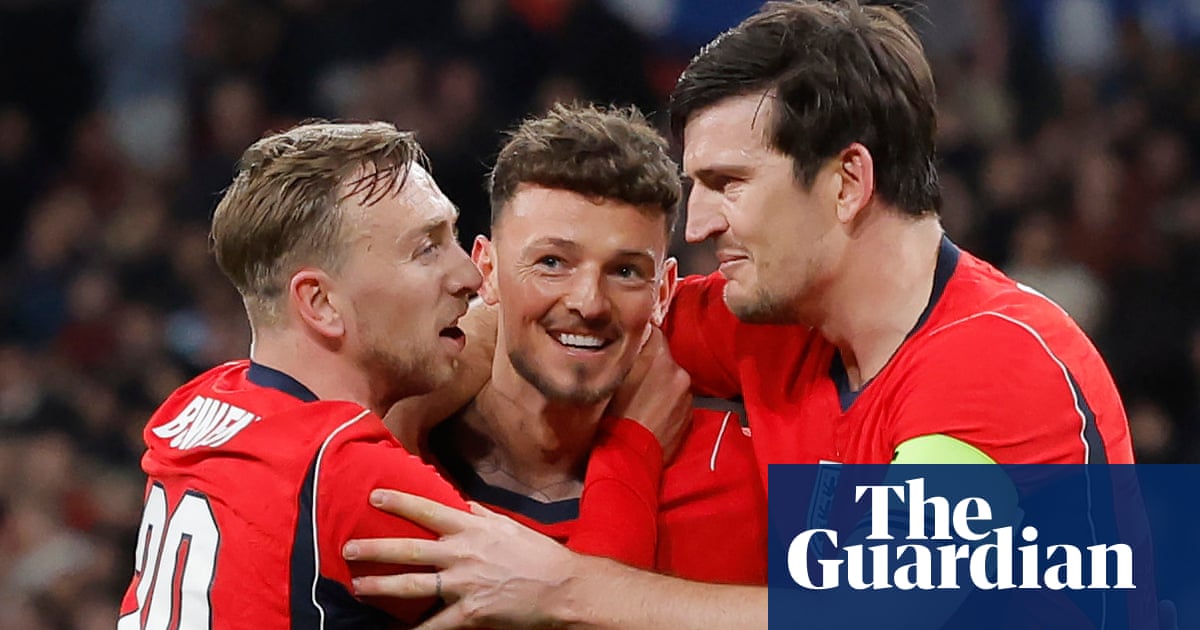
No individual performance typified the chaotic nature of the evening quite like Ben White's. The Arsenal defender's return to the international fold has been one of the defining, heavily debated narratives of the Tuchel era. Fans and pundits alike have clamored for his inclusion, citing his flawless club form under Mikel Arteta.
For eighty-odd minutes, White looked completely at home. He was the hero of the piece, tucking into midfield, underlapping his winger, and providing a stable platform for England to build out from the back. He dictated the tempo of the right-hand side, showing the exact tactical intelligence that makes him undroppable in North London.
He was confidently slipping passes through the lines, bypassing the initial wave of the Uruguayan press. It felt like a redemption arc playing out in real time. He was proving his worth on the biggest stage.
But international football at this level is brutally unforgiving. You can play a near-perfect game, execute the manager's tactical plan to the absolute letter, and undo it all with one momentary lapse in concentration.
White went from the undisputed man of the match to the villain in the blink of an eye. As legs tired and the structural integrity of the team began to fracture, he found himself isolated. A clumsy challenge against a direct runner inside the box gave the referee no choice. He dangled a leg, the Uruguayan forward gladly accepted the contact, and the penalty was given.
That late equaliser from the spot was not just a dampener on the evening; it was a severe tactical punishment for England's inability to kill the game off when they had the chance.
Bielsa's Trap and the Midfield Disconnect
We need to talk about the opposition. Marcelo Bielsa's fingerprints were all over this Uruguay performance. They did not come to London to roll over and be a sparring partner. They brought a suffocating, man-oriented pressing scheme that completely short-circuited England's build-up phase.
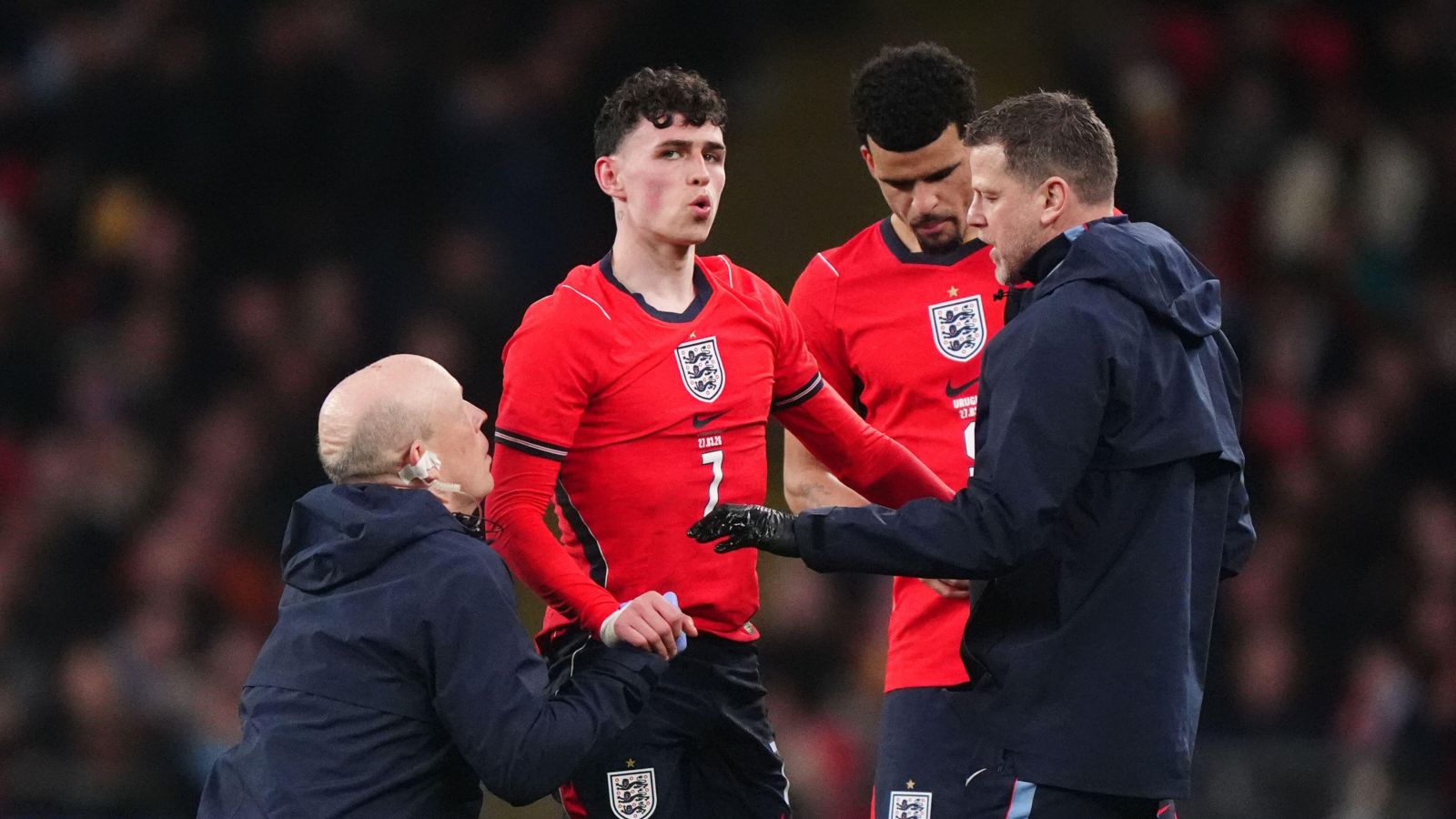
When you make wholesale changes to a starting lineup, the central midfield is always the first area to suffer. Relationships and spacing take time to develop. You cannot simply throw three talented individuals into the center of the pitch and expect them to immediately understand when to drop, when to rotate, and when to hold their position.
Against a Bielsa-coached team, that lack of chemistry is a fatal flaw. The South Americans hunt in packs. They do not give you a second on the ball to pick your head up.
England's experimental midfield pivot found themselves constantly rushed, forced into playing backward or sideways. The forward passes that usually break the defensive lines were entirely absent. One midfielder would drop far too deep, effectively operating as a third center-back, which created a massive void in the center of the park. The other would push too high, instantly getting swallowed up by Uruguay's aggressive marking.
This is the fundamental problem with treating these friendlies as open auditions. You do not actually learn anything useful about the individual players because the collective structure around them is fundamentally broken. It is impossible to evaluate a striker's movement when the midfield is incapable of supplying him with clean possession.
Game Management Failures
The fact that Uruguay found their equalizer so late in the game is another glaring red flag for this coaching staff. England had managed to take a hard-fought lead and needed to demonstrate basic, pragmatic game management.
Instead of shutting the contest down, drawing clever fouls in the middle third, and keeping the ball secured in the corners, they actively invited pressure. The defensive line inexplicably dropped five yards deeper. The wide players stopped tracking back with the necessary intensity.
You cannot invite a team with Uruguay's attacking pedigree into your penalty area and expect to survive unscathed. The penalty was coming long before White actually committed the foul. It was the inevitable conclusion of a team rapidly losing control of the tempo and the territory.
Tuchel stood on the touchline, visibly frustrated, pointing and adjusting his defenders. But you cannot coach chemistry and defensive resilience on the fly against a team that is actively tearing your rhythm apart. The final whistle brought relief rather than applause from the Wembley crowd.
The Clock is Deafening
Tuchel was brought in to win the World Cup. That is the sole metric by which his tenure will be judged by the FA and the public. And yet, nights like Friday make you genuinely wonder if the tactical blueprint is actually set in stone.
We are less than three months away from the expanded 48-team tournament in North America. By this stage in the cycle, the manager should know his preferred starting XI and his most trusted substitutes. The time for experimentation was twelve months ago.
The European club season is entering its defining, brutal final months. Players will inevitably arrive at the pre-tournament camp carrying knocks, muscle fatigue, and mental exhaustion. Tuchel will have precious little time on the training pitch to iron out these structural flaws.
He has to narrow his focus immediately. He needs to pick his best team, stick with it through the upcoming friendlies, and demand that they develop the necessary tactical understanding before the flight to the States.
My prediction for the summer? Unless Tuchel ruthlessly abandons this endless rotation policy and locks in a consistent, settled back four, England are heading straight for a deeply disappointing quarter-final exit. The raw talent is undeniably there, but the tactical execution and in-game management are currently miles off the required standard to lift the trophy.
Read Next
- Ben White's return and the tactical puzzle facing Thomas Tuchel
- Why Thomas Tuchel's England are walking into a World Cup disaster
- Why Uruguay's chaotic press will expose the flaws in Tuchel's England
- Tuchel's shocking midfield gamble sees Garner and Foden start against Uruguay
- 🏴 England World Cup 2026 — Three Lions Hub
- 🏆 FA Cup Final 2026 — May 16, Wembley