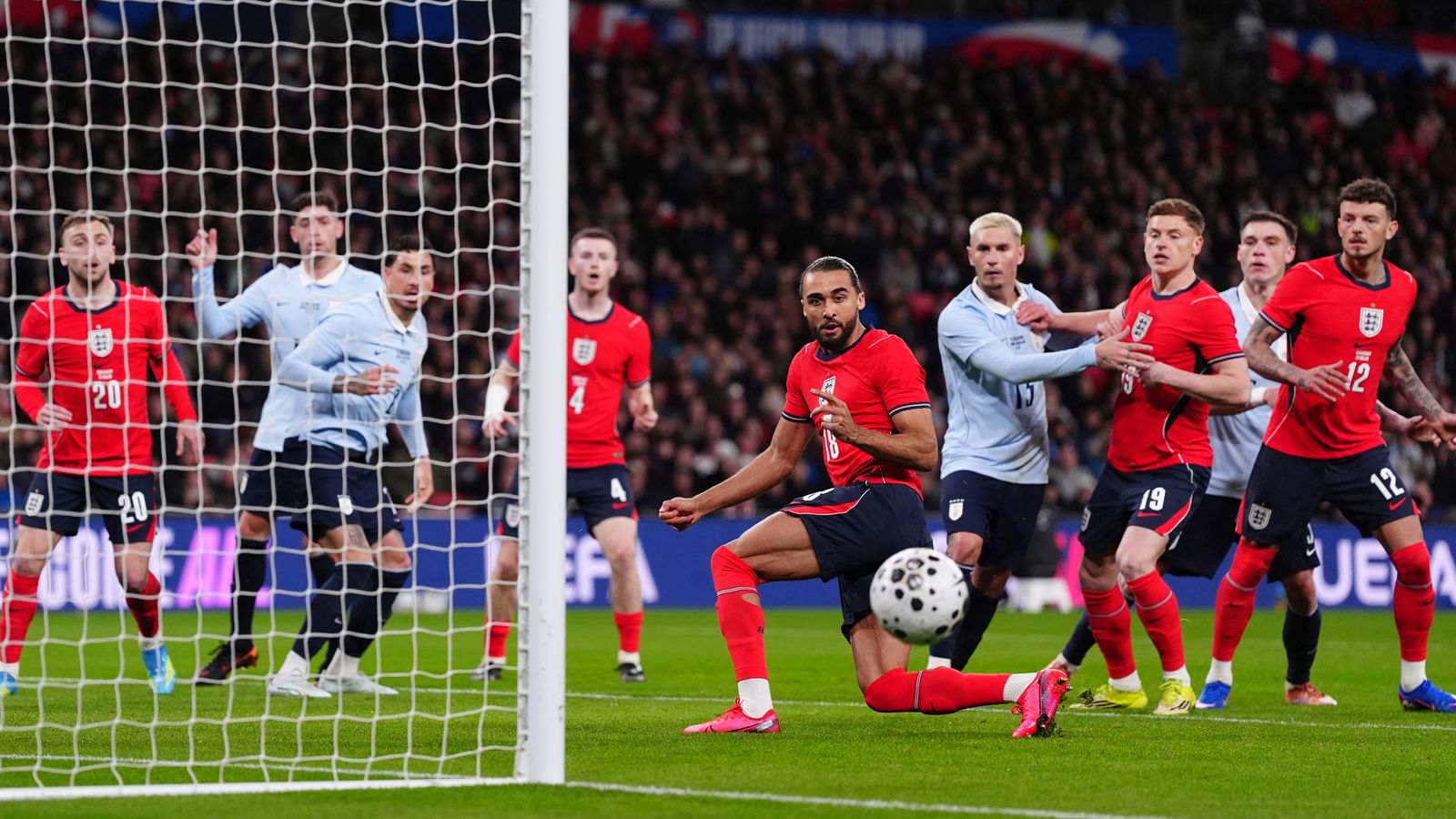
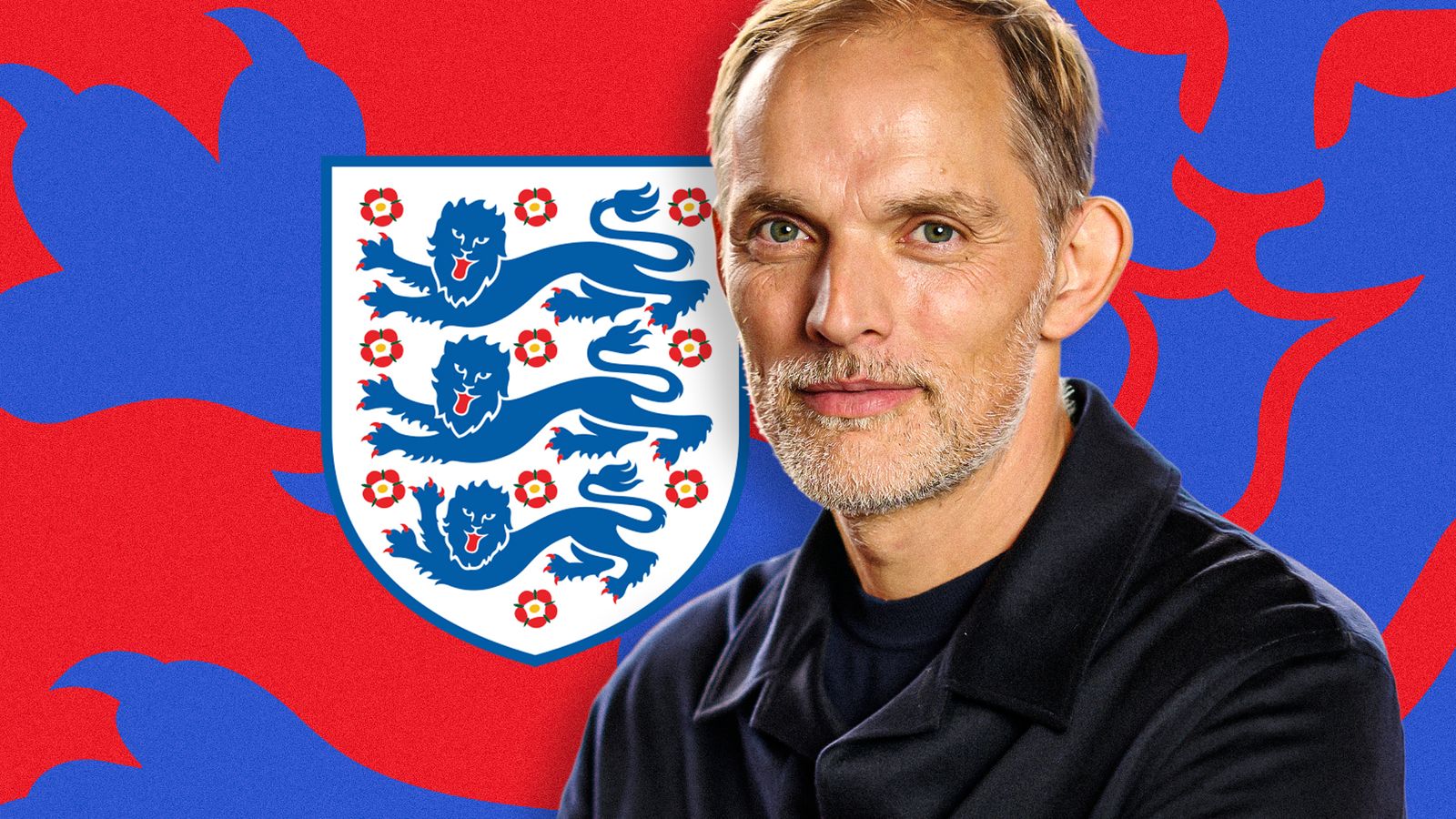
The road to North America officially runs through gritty, frustrating nights like this. Thomas Tuchel used the first of two vital March friendlies to throw his fringe players into the deep end against a notoriously difficult opponent. The 1-1 draw against a stubborn Uruguay at Wembley wasn't pretty, but it provided exactly the kind of harsh lighting needed to expose who is actually ready for the World Cup and who is staying home. With the tournament kickoff looming on June 11, time is rapidly running out for anyone still looking to prove their worth.
10. The Pre-Match Tactical Gamble
Starting an unproven XI against a South American heavyweight is a massive, calculated risk by the manager. Tuchel didn't opt for a gentle introduction against a lower-tier European side to build confidence. He threw his hopefuls straight into a physical, bruising battle. It forced players to sink or swim immediately under the Wembley lights.
This ranks at the bottom because it was the table-setter rather than a decisive on-pitch action. Still, it set the tone for the entire evening. Tuchel clearly wanted to see how these players handled genuine adversity, not just how they performed in a glorified training exercise. The resulting disjointed performance was the direct consequence of this demanding setup.
9. The Reality Check of the Physical Battle
Uruguay simply do not treat international friendlies as casual exhibitions. The tackles flew in early and often, aggressively rattling a few of the England players trying to make a lasting impression. It was a stark reminder that international football, especially in tournament environments, is completely unforgiving. A few of the hopefuls looked genuinely surprised by the intensity.
This physical shock to the system sits at number nine because it dictated the flow of the first half. Players who excel in the controlled environments of the Premier League suddenly found themselves in a street fight. You could immediately spot who had the stomach for the dark arts and who wanted to hide. It was an uncomfortable watch for anyone hoping for fluid, attacking football.
8. The Midfield Disconnect
When you throw together a midfield combination that hasn't played meaningful minutes together, the seams inevitably show. For large stretches of the opening forty-five minutes, England completely struggled to bypass the organized Uruguayan press. The transition from defense to attack was painfully sluggish and predictable.
I rank this above the physical battle because it directly impacted England's ability to control the game. It highlighted exactly why established starters are so incredibly hard to unseat at this level. There was no telepathy, no intuitive movement, just a collection of individuals trying not to make a mistake. You don't win a World Cup with a midfield that operates like strangers.
7. The Stubborn Uruguayan Low Block
Once the visitors settled into the match, they organized into a defensively rigid structure that openly dared England to break them down. According to The Mirror, it was a seriously stubborn resistance that tested the patience of the entire stadium. This is the exact, frustrating scenario Tuchel will undoubtedly face in the group stages this summer.
The inability of the fringe attackers to consistently pick this lock was a glaring issue. It wasn't about a lack of effort, but rather a complete lack of cohesive attacking patterns and guile. Ranking at number seven, this tactical stalemate proved that raw pace means nothing if you don't have the vision to unlock a set defense. It was a masterclass in frustration.
6. The Frustration on the Touchline
Tuchel is certainly not known for hiding his emotions, and this match was absolutely no different. You could clearly see the agitation building on the touchline when simple passing sequences broke down under minimal pressure. He was desperately looking for a spark, a player willing to take a calculated, game-breaking risk.
Instead, he got a heavy dose of safe, sideways possession that played right into Uruguay's hands. This ranks at number six because a manager's reaction often tells you more than the action on the pitch. Tuchel's visible annoyance confirmed what everyone in the stands was thinking: this wasn't good enough. The auditions were falling flat in real-time.
5. The Glimmer of Defensive Resilience
If there was a slight silver lining to be found, it was the raw defensive effort from players desperately fighting for a plane ticket. Facing a physical, street-smart Uruguayan front line is a miserable task for any center-back pairing. A few of the defensive auditions showed real grit in the air and solid awareness in recovery transitions.
Breaking into the top five, this earns its spot because defending is the one area where effort can occasionally mask a lack of familiarity. They bent under pressure, but for the most part, they didn't completely break down. In a tournament where grinding out ugly results is mandatory, showing you can survive a physical battering is a valuable trait. It wasn't pretty, but it was necessary.
4. The Grinding Attack and the Equalizer
The simple fact that England had to scrap and claw for a 1-1 draw speaks volumes about the current state of the depth chart. The attacking moments were incredibly disjointed, relying far too heavily on set pieces or random individual errors rather than sustained, punishing pressure. When England did finally find the back of the net, it felt vastly more like relief than the culmination of a tactical masterclass.
This ranks highly at number four because the ultimate currency in football is goals, and the reserve attackers looked bankrupt. It was a moment that brutally underscored the glaring gap between the A-team and the hopefuls. If the main stars aren't on the pitch, the fear factor vanishes completely. The lack of a ruthless edge is a massive red flag.
3. The Substitutions That Changed the Tempo
The match only truly shifted gears when Tuchel finally started making changes in the second half. Bringing on slightly more established, senior players instantly injected some desperately needed urgency into the side. The tempo increased, the passes were crisper, and Uruguay finally looked slightly uncomfortable.
This takes the number three spot because it was a glaring indictment of the starting lineup's utter inability to dictate the game. The drop-off in sheer quality when the main guys aren't on the pitch is still a massive concern for the coaching staff. It proved that while England has a deep squad on paper, the reality on the grass is vastly different. The cavalry had to arrive to salvage a draw.
2. The Wasted Auditions
Let's be brutally honest about what we watched. Several players walked onto the Wembley pitch with a golden ticket in their hands and immediately dropped it. In a game designed specifically for them to shine and stake a claim, they completely disappeared into the background.
This is the runner-up moment because of the sheer finality of it. You simply do not get many chances to impress a manager like Tuchel just months before a World Cup. For a few guys out there, this draw might genuinely be their final international cap. The pressure broke them, and that is a brutal reality to face.
1. The Message Sent to Thomas Tuchel
The absolute biggest takeaway from this entire fixture is the massive headache it leaves the manager. Tuchel desperately wanted clear answers, and instead, he walked away with far more questions. The gap between the guaranteed starters and the rest of the squad remains uncomfortably wide as the clock ticks down.
This is the undisputed number one because it shapes everything that happens next. With the tournament kickoff locked in for June 11, the manager knows he cannot rely on depth alone to win a World Cup. The auditions proved that England has a stellar starting XI, but the safety net underneath them is full of holes. Tuchel has his work cut out for him over the next two months.
Read Next
- Ben White's Wembley rollercoaster proves Tuchel's England aren't ready
- Why Thomas Tuchel's England are walking into a World Cup disaster
- Why Uruguay's chaotic press will expose the flaws in Tuchel's England
- Tuchel's shocking midfield gamble sees Garner and Foden start against Uruguay
- 🇺🇾 Uruguay World Cup 2026 — La Celeste Hub