The Half-Time Assessment
The Dressing Room Reality
When the half-time whistle blew at Old Trafford, Manchester United were flying. They had taken the game to Liverpool. Benjamin Sesko had just scored the second goal. The crowd was deafening. But inside the tunnel, the adrenaline instantly drops. The reality of professional sports sets in.
A player walking off the pitch feeling a twinge knows exactly what is happening. The medical staff are waiting. They don't have time for a full diagnostic workup. They have 15 minutes. The clock is ticking.
The physios begin the assessment. Range of motion tests. Palpation of the affected area. Strength testing against resistance. They are looking for pain, weakness, or apprehension. If a player cannot perform a maximum isometric contraction without pain, they are done for the day.
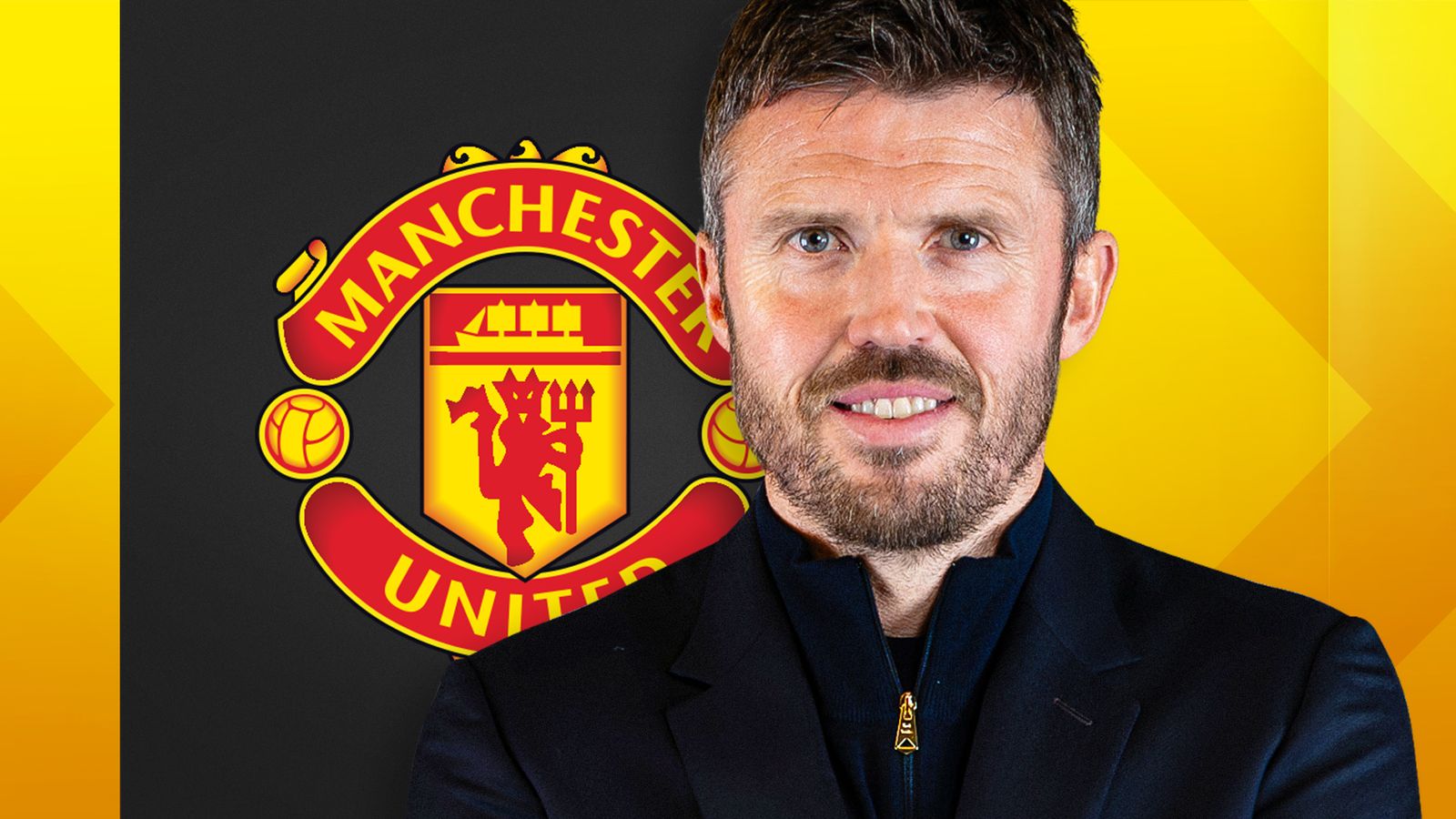
Manager Michael Carrick stood in that dressing room waiting for a verdict. Managers hate this. They have their team talk planned. They have their tactical adjustments ready. Suddenly, the plan is torn up.
The Biomechanics of the Goal
Sesko's goal was brilliant but controversial. The mechanics of goalscoring are inherently dangerous. A striker must accelerate sharply, fight off a defender, and strike the ball with maximum force while off-balance.
This sequence places extreme tension on the musculature. The rectus femoris takes the brunt of the striking motion. The hamstrings endure massive eccentric loads as the leg follows through. If the muscle fibers are already fatigued from 45 minutes of high-intensity pressing, the threshold for injury drops significantly.
We saw the result. Sesko did not emerge for the second half. The team held on for a massive 3-2 victory, but the post-match discussion immediately shifted to the treatment table.
The Workload Crisis
Load Management Failures
Here is the critical flaw in modern football management. Clubs employ entire departments dedicated to sports science. They track everything. Every step, every sprint, every jump is quantified. Yet, players still break down in highly predictable scenarios.
Was Sesko overloaded? The data undoubtedly exists. GPS units track high-speed running distance and sprint volume. When these metrics spike suddenly, or when acute workload exceeds chronic workload, injury risk skyrockets.
If the sports science department warned of an elevated risk, and the management played him anyway, that is a massive failure. It is a gamble that backfired. You simply cannot ignore the physiological limits of the human body.
The fixture list is unrelenting. Managers rotate, but they rarely rest their key goalscorers in massive matches against Liverpool. The pressure to win supersedes the data. This short-term thinking costs clubs titles.
Historical Precedent
We have seen this script before. Think back to Fernando Torres at Liverpool or Diego Costa at Chelsea. Big, explosive strikers who suffered from chronic soft tissue issues.
Often, it starts exactly like this. A minor issue. A half-time withdrawal. The club calls it a precaution. But the underlying issue is cumulative fatigue. The muscle fibers never fully heal. Scar tissue builds up. The muscle loses its elasticity.
A few weeks later, they sprint for a loose ball, and the hamstring goes completely. A minor inconvenience becomes a three-month rehabilitation process.
Carrick's decision to remove Sesko was the right one. It was conservative. But the true test of United's medical department starts now.
The Tactical Fallout
The Tactical Void
Without Sesko, United's entire shape changes. He is not just a finisher. He is the out-ball. When Liverpool pressed high, United could bypass the midfield by hitting Sesko. He pins center-backs. He buys time for the wingers to transition up the pitch.
Carrick had to adapt instantly. The substitute comes on cold. The pressing triggers are slightly delayed. The timing of the runs changes. Liverpool nearly capitalized on this disruption.
This is why losing a striker mid-game is so disruptive. It is not just a change of personnel. It is a structural shift. The midfield must hold the ball a fraction of a second longer. The fullbacks must push higher to provide width. Every player on the pitch has to recalculate their positioning.
The Next Steps for Carrick
Carrick faces a massive tactical dilemma. United's upcoming fixtures do not offer any respite. The manager must find a temporary solution without compromising the team's defensive stability.
He might push his wide forwards central, opting for pace over physical presence. Or he could deploy a false nine, dropping a midfielder higher up the pitch to overload the central zones. Neither option replicates what Sesko brings.
Carrick offered a post-match medical update, but it was brief. That is standard operating procedure. Managers give nothing away to the press or the opposition. The real update will come when the team sheet is submitted for the next match.
The Road to Recovery
The Rehabilitation Protocol
The next 48 hours are critical. The medical staff will apply the POLICE protocol—Protection, Optimal Loading, Ice, Compression, Elevation. They must control the inflammatory response.
They will wait for the fluid to drain before conducting an MRI scan. An early scan can be misleading, obscured by bleeding in the muscle belly. Once they have a clear image, they can grade the injury.
- Grade 1: Micro-tears requiring 1-2 weeks of recovery.
- Grade 2: Partial tear mandating 3-6 weeks on the sidelines.
- Grade 3: Complete rupture requiring surgery and months of rehabilitation.
Even if it is just tightness, the return-to-play protocol is strict. The player must progress from stationary cycling to straight-line running, then to change-of-direction drills. The final hurdle is unplanned, reactive movements in full training.
If a player is rushed back, the re-injury rate is staggeringly high. The scar tissue is weaker than the original muscle. It cannot handle the same explosive loads.
The Psychological Toll
Physical recovery is only half the battle. The psychological impact of soft tissue injuries is heavily underestimated in football. When a player feels a muscle give way, doubt creeps in.
The next time they step onto the pitch, that doubt lingers. Will it hold up? Can I sprint at maximum velocity? This hesitation is fatal for a striker. A fraction of a second is the difference between a goal and a blocked shot.
Sports psychologists work extensively with players during rehabilitation. They use visualization techniques and graded exposure to rebuild confidence in the injured limb. But true confidence only returns after surviving a heavy challenge or completing a full sprint in a high-stakes match.
For Sesko, the mental recovery will run parallel to the physical one. He has been in excellent form. The controversial goal against Liverpool proved his sharpness. Having that momentum halted abruptly is incredibly frustrating.
This isn't just a Manchester United problem. It is an industry-wide crisis. The physical demands of the Premier League are escalating every season. Teams are pressing higher, sprinting faster, and covering more ground.
The human body is adapting, but it has limits. Tendons and ligaments take much longer to strengthen than muscles. We are putting Formula 1 engines into cars with standard chassis. Eventually, something snaps.
The fans suffer. They pay exorbitant ticket prices and broadcast subscriptions to watch the best players in the world. Instead, they frequently watch understudies while the stars sit in the stands in tracksuits.
The governing bodies must address the calendar. Until they do, the medical departments will remain the busiest rooms at every training ground. Sesko is just the latest victim of a relentless schedule.