The end of the game's most versatile tactical experiment
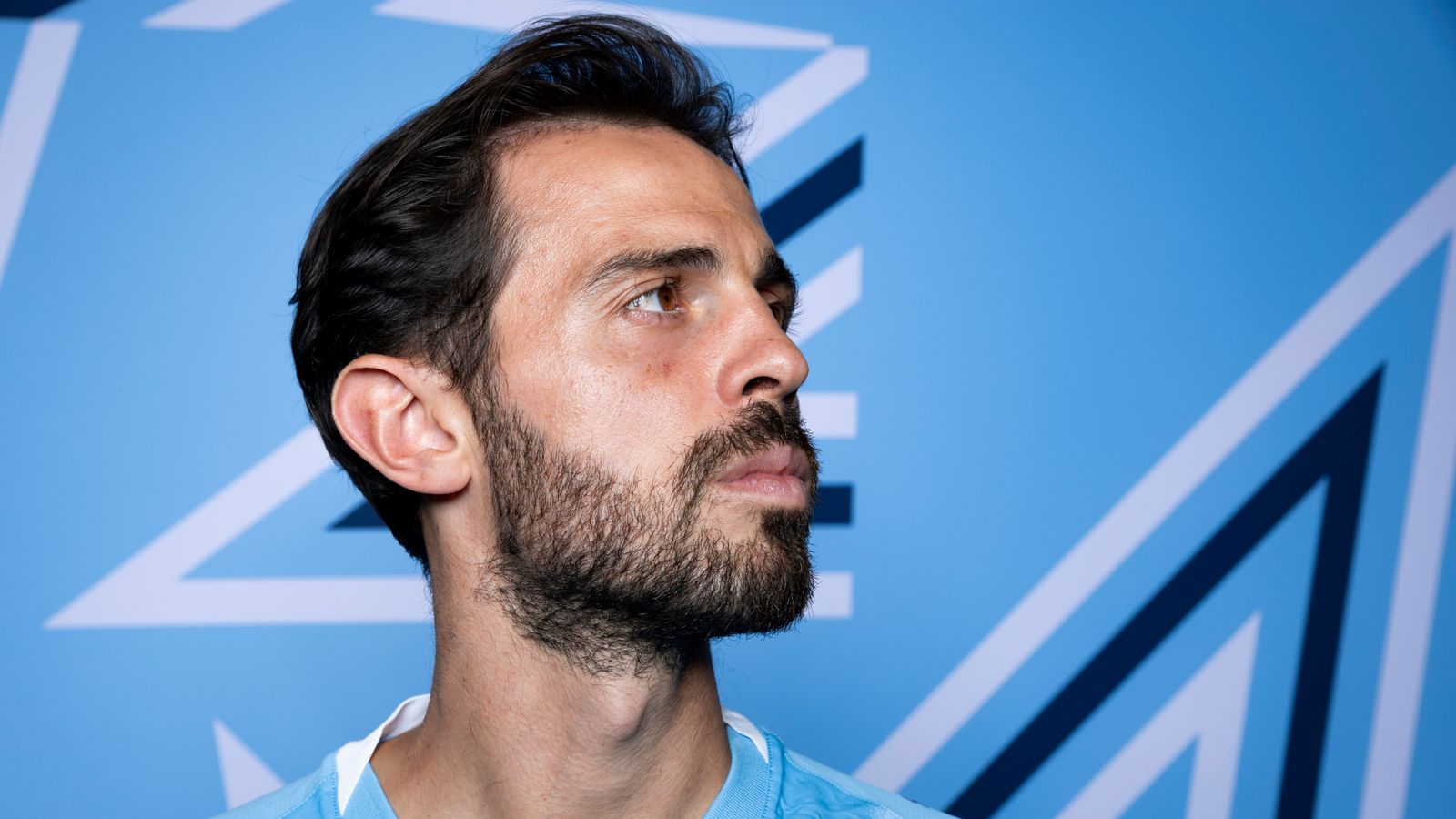
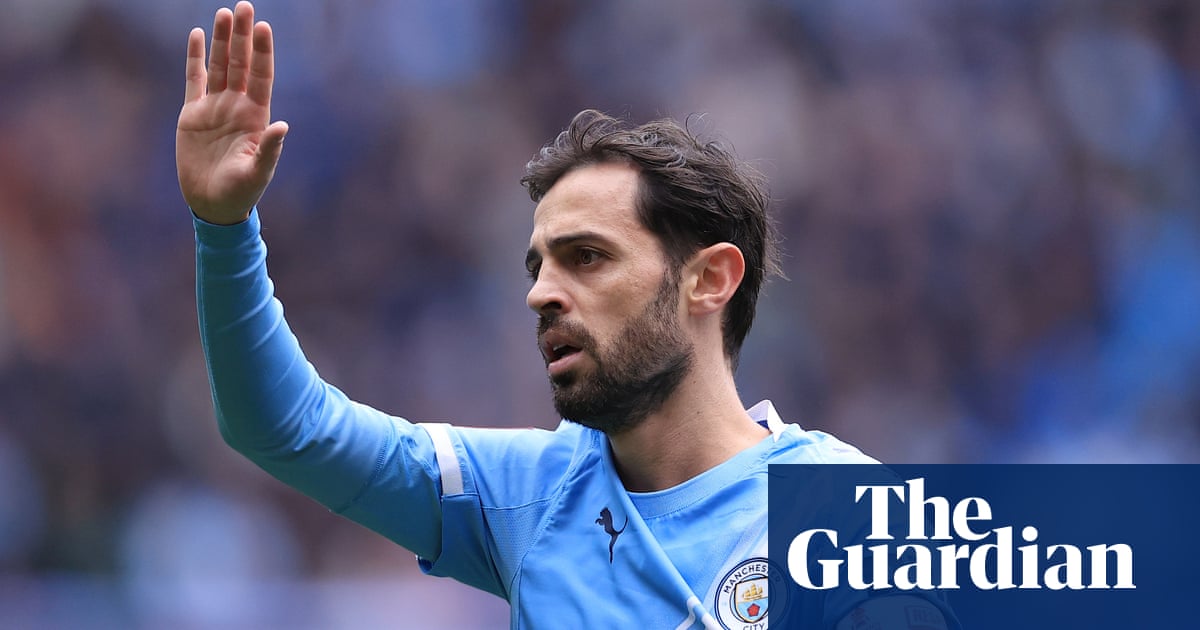
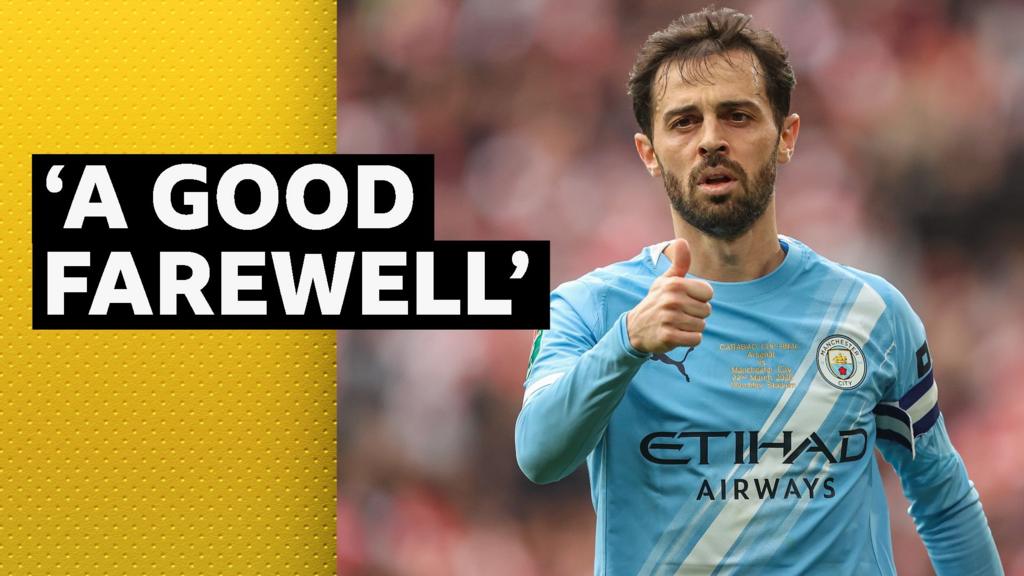
Manchester City fans knew this day was coming, but the official confirmation that Bernardo Silva will leave at the end of the season still feels like a structural fracture. The BBC report confirms he will depart when his contract expires this summer, ending a nine-year stint that redefined what we expect from a modern midfielder. Most players are specialists; Silva is a solution to every problem Pep Guardiola has ever encountered.
You cannot look at Silva's output through the lens of a traditional winger or a standard number eight. His value isn't found in a simple goals-and-assists tally, which often looks pedestrian compared to the elite attackers in the league. Instead, you find it in the 12.5 kilometers he covers per match, or the way he can transition from a touchline-hugging winger to a deep-lying playmaker in a single phase of play. He is the player who makes the 'box midfield' function by being in two places at once.
The architect of the high press
Watch any City match from the last three years and focus entirely on Silva's movement when the opposition has the ball. He is the primary pressing trigger. He doesn't just run; he curved his runs to cut off passing lanes to the holding midfielder. It is a specific, coordinated defensive action that few players have the stamina or the spatial awareness to execute for 90 minutes. Without him, City’s defensive transition looks significantly more fragile.
There is a harsh reality to this departure that the Etihad faithful must face: the replacement won't be as smart. Phil Foden has the explosive pace and the finishing, and Oscar Bobb has the technical trickery, but neither possesses the 'pausa' that Silva uses to kill a game's momentum when City need to catch their breath. Silva is the one who puts his foot on the ball and waits for the opposition to overcommit. He is the team's internal thermostat.
The tactical vacuum in the 3-2-4-1 system
In the current 3-2-4-1 system that Guardiola favors, Silva occupies a hybrid role that is practically uncoachable. One moment he is providing the width on the right to allow Kevin De Bruyne to occupy the half-space. The next, he is dropping into a double pivot alongside Rodri to facilitate a 4-2 buildup structure against a high-pressing opponent. This flexibility is what allows City to change their shape without making a substitution.
Losing this capability means City will likely become more predictable. If you replace Silva with a specialist winger, you lose the extra body in midfield during the buildup. If you replace him with a pure central midfielder, you lose the ability to stretch the pitch. It forces Guardiola to return to a more rigid structure, something he has spent years trying to evolve away from. The captain's armband he currently wears is a recognition of this tactical leadership as much as his character.
The negative cost of the Silva era
We should be honest about the limitations. At 31, Silva’s lack of raw verticality has occasionally hamstrung City in games that require a counter-attacking threat. There are moments in Champions League knockout ties where his tendency to cycle possession back into the center has stifled a clear break. He is a control freak on a football pitch, and sometimes control is the enemy of the clinical transition. His goal output has also declined, with fewer than 5 goals in the league this season, a stat that points toward a player whose physical peak is now in the rearview mirror.
However, focusing on his finishing is a fundamental misunderstanding of his role. He is the player Guardiola trusts to execute the 'ugly' side of the beautiful game. He is the one tracking back 60 yards to tackle a breaking winger while the rest of the attack is still catching their breath. That work rate is infectious, and its absence will be felt in the locker room as much as on the tactics board.
What happens in the 2026 title run-in?
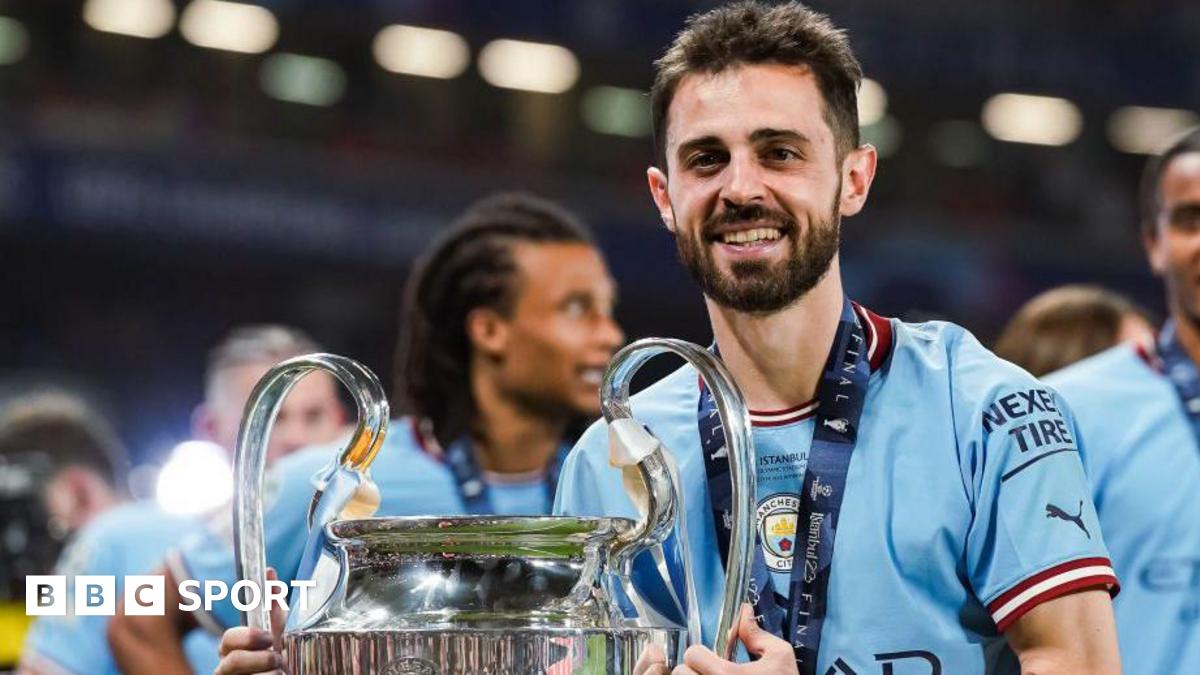
With the announcement coming now, in mid-April, there is a danger of this becoming a farewell tour rather than a focused title charge. City are currently neck-and-neck at the top of the table, and the UCL semi-finals begin on April 28. Silva has always been a big-game player — think back to his brace against Real Madrid in 2023 — and City need that composure now more than ever. The distraction of his exit cannot be allowed to seep into the preparation for these final six weeks.
The question for the board is whether they look to the transfer market or promote from within. James McAtee has been touted as a potential successor, but he lacks the physical resilience to handle the defensive workload Silva provides. A big-money move for a player like Jamal Musiala or Florian Wirtz would provide more attacking thrust, but neither offers the defensive discipline that makes Silva the first name on Pep's team sheet for high-stakes matches.
Final tactical verdict
Manchester City are not just losing a captain; they are losing their most effective defensive tool. The 'Bernardo Role' is likely to die with his departure. We will see City move toward a more conventional 4-3-3 or a rigid 3-4-2-1 next season, simply because there isn't another player on the planet who can replicate his specific blend of stamina, intelligence, and technical security. He is the ultimate 'coach's player,' and his exit marks the end of Guardiola’s most successful tactical iteration.
As we approach the final games, expect Silva to be used as a closer. His ability to keep the ball in the corner and draw fouls in the 85th minute will be the difference between a trophy and a near-miss. He will leave Manchester having completed the transition from a flashy Portuguese winger to a gritty, world-class midfield general. It is a transformation that mirrors City's own evolution under Guardiola.
The prediction is simple: City will struggle to replace him and will drop more points in the first half of next season than they have in years. You can buy goals, and you can buy speed, but you cannot buy the brain of Bernardo Silva. He is the player who made the impossible look routine, and the Etihad will look a lot more vulnerable without him patrolling the right flank.
Read Next
- Erling Haaland is right about Bernardo Silva being the brains of Man City
- Arsenal's anxiety ahead of City is the ultimate proof of their evolution
- Jose Mourinho to Newcastle is a tactical disaster waiting to happen
- Man United's defensive nightmare against Chelsea has fans in panic mode
- 🇵🇹 Portugal World Cup 2026 — A Seleção Hub