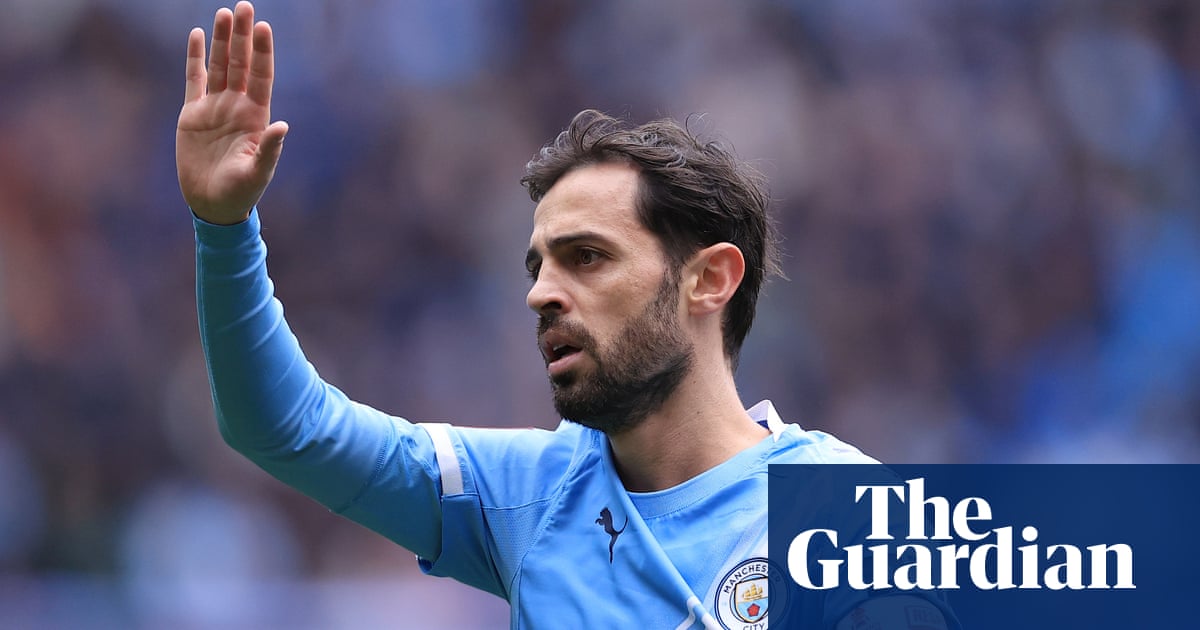
The marathon man of the Etihad
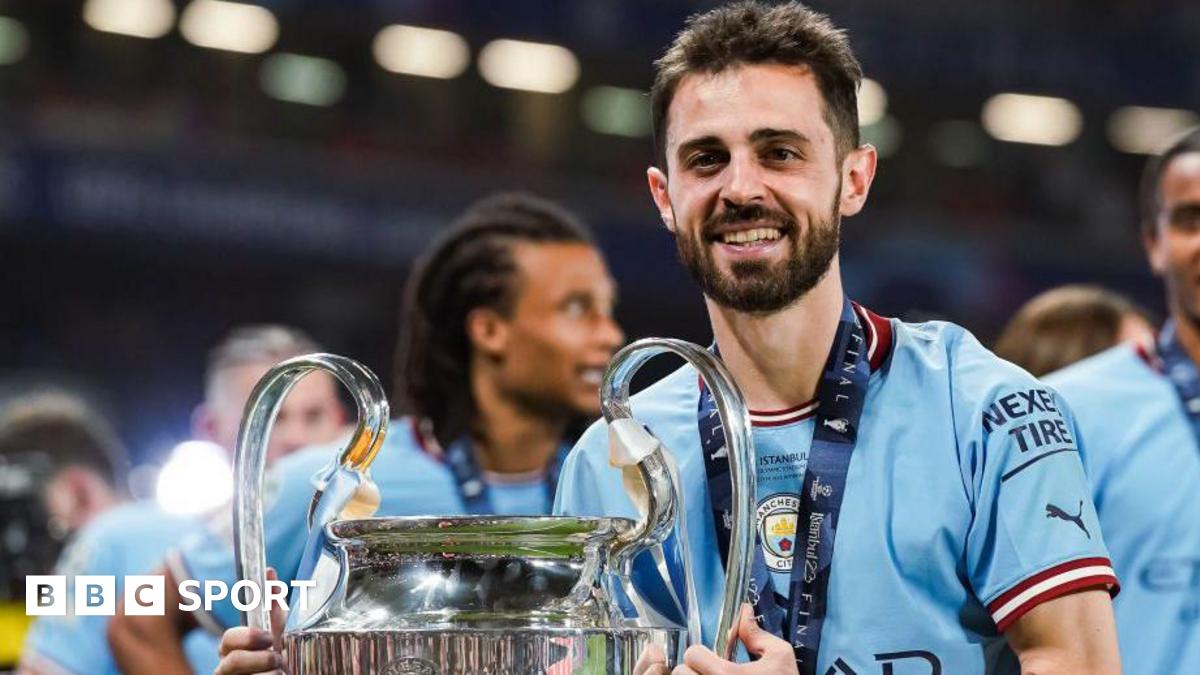
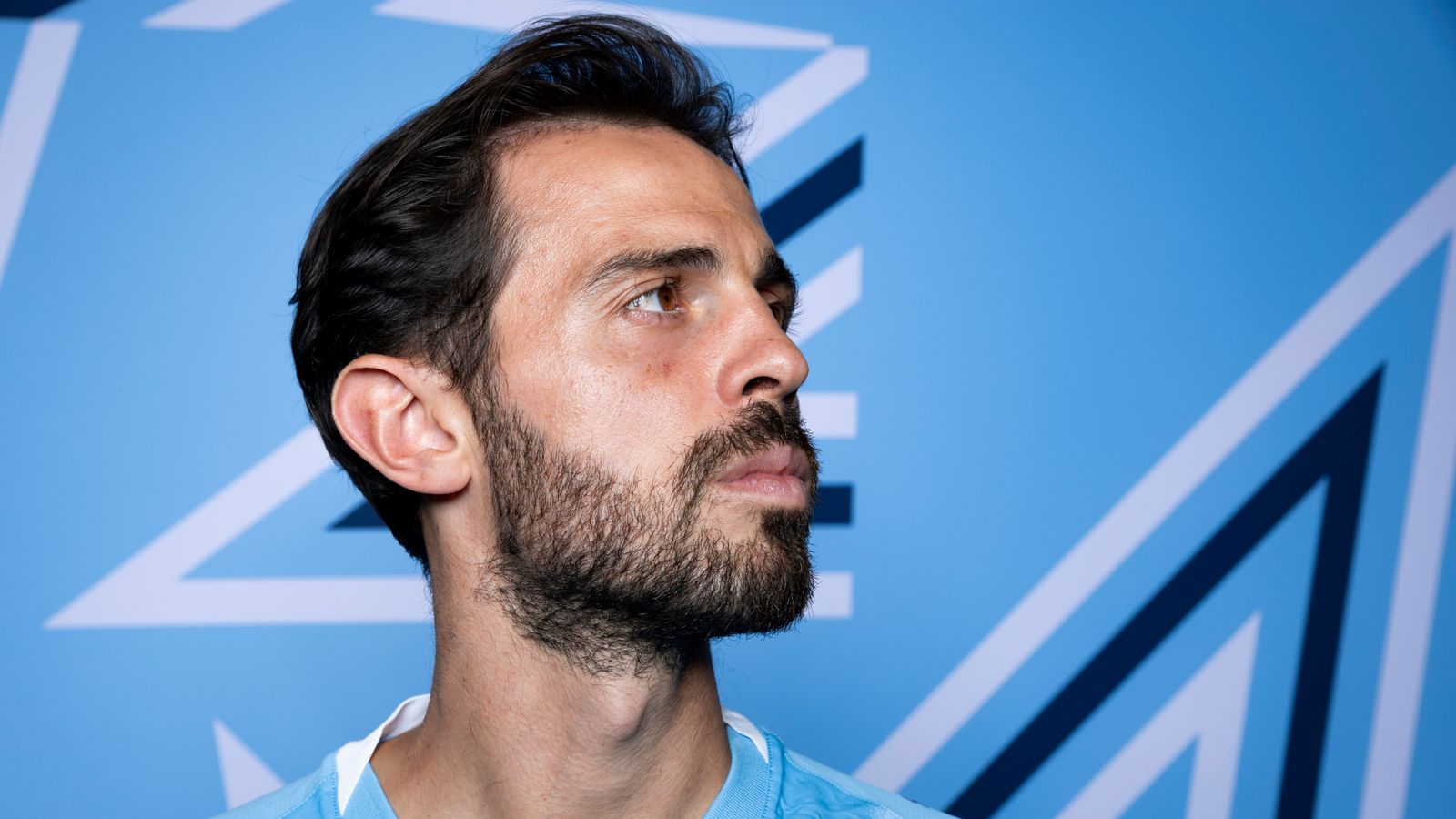
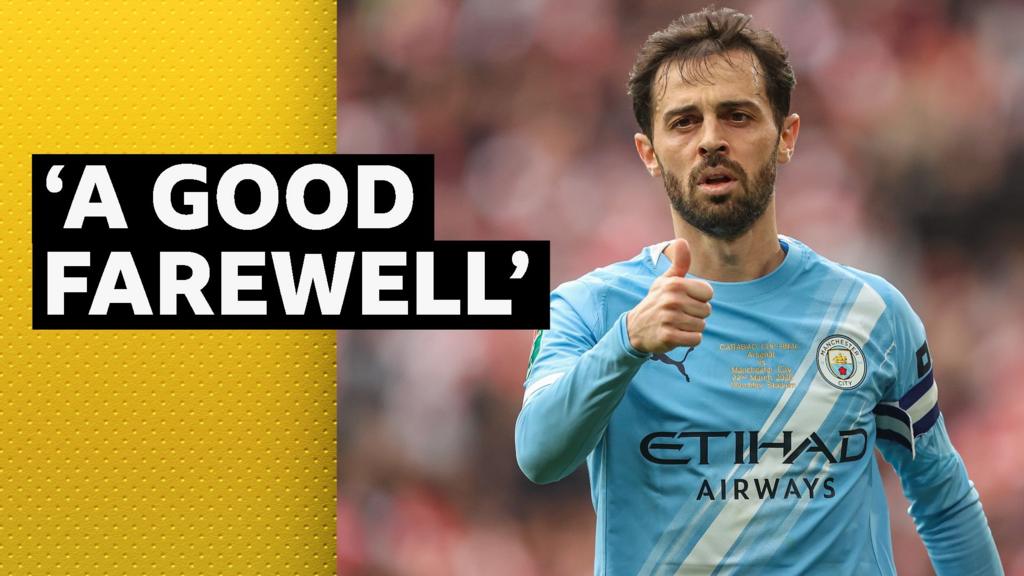
When Manchester City signed Bernardo Silva from Monaco in 2017 for £43.5 million, the expectation was a tricky winger who would provide depth behind Raheem Sterling and Leroy Sané. Nine years later, as he confirms his departure, the data tells the story of a transformation that defied conventional scouting. Bernardo didn't just play for Pep Guardiola; he became the physical embodiment of Guardiola’s tactical evolution, transitioning from a touchline creator to the most industrious central midfielder in European football.
The defining statistic of Bernardo’s tenure isn't a goal or an assist. It is 13.7 kilometers. That was the distance he covered against Liverpool in January 2019, the highest recorded by any player in the Premier League that season. It set a template for his role in the 'Big Six' matches. While other stars rested on their technical laurels, Bernardo functioned as a high-intensity pressing trigger. Over his nine seasons, he averaged 11.8km per 90 minutes in Champions League knockout fixtures, a figure that sits nearly 1.5km above the continental average for his position.
This physical output allowed City to maintain a high line without being exposed. By covering the ground of two players, Bernardo essentially allowed Guardiola to cheat the system, playing with an extra attacker because he knew his number 20 would recover into the defensive shape before the opposition could transition. His departure in May 2026 leaves a void that isn't just about talent—it’s about a specific biological capacity for sustained intensity that few 31-year-olds can match.
The security of the 90 percent threshold
Beyond the running, Bernardo provided a level of ball security that bordered on the obsessive. In the 2022-23 treble-winning campaign, his pass completion rate in the final third was a staggering 89.4 percent. To put that in perspective, most elite creative midfielders operate in the 75-82 percent range because they are encouraged to take risks. Bernardo’s genius was his ability to 'kill' a game through possession without sacrificing forward momentum.
He mastered the art of 'La Pausa'—the deliberate pause on the ball that draws defenders out of position. His career average for dispossessions is less than 0.9 per game. In a system where losing the ball in the middle third is a capital offense, Bernardo was the ultimate insurance policy. Even in high-pressure environments, like the 4-0 demolition of Real Madrid in 2023 where he scored twice, he maintained a pass accuracy of 91 percent while playing as a nominal right-winger who spent half the match drifting into the pivot space.
Critics often pointed to his relatively modest output in terms of raw goals and assists. He rarely surpassed 15 goal contributions in a league season. However, this is a failure of traditional metrics. If we look at 'secondary assists' or passes that lead to the pass for a shot, Bernardo consistently ranked in the 98th percentile of all midfielders in Europe. He was the architect of the build-up, the man who made the pass that made the goal possible.
The hybrid problem for the 2026 rebuild
Replacing Bernardo Silva is not a one-for-one transfer task. Throughout his 400-plus appearances for the club, he occupied five distinct tactical roles: right-winger, number eight, false nine, deep-lying playmaker, and occasionally a hybrid left-back in possession. Guardiola’s tactical flexibility was predicated on Bernardo’s intelligence. When the manager moved to a 3-2-4-1 system, it was Bernardo’s ability to drop from the attacking line into the double pivot that made it functional.
Without him, City’s recruitment team faces a mathematical nightmare. To replace his contributions, they might need to sign two players: a high-volume carrier and a defensive workhorse. In the 2025-26 season, Bernardo still managed to complete 3.4 progressive carries per 90, showing that even at 31, his agility in tight spaces remains elite. Most players lose that explosive first step in their thirties, but Bernardo’s game was always built on balance and low center of gravity rather than raw pace.
The loss of his leadership is equally quantifiable. Since taking the captaincy, City’s win percentage in games where Bernardo starts has remained at 74 percent, compared to 61 percent when he is rested. He has been the stabilizer. When games become chaotic, the ball inevitably finds its way to the Portuguese international. He is the valve that releases pressure, and finding a replacement who can handle that psychological burden is arguably more difficult than finding someone who can run 12km a game.
The inevitable regression of 2026
Despite the legendary status, a sharp analytical eye reveals why now is the right time for both parties to part ways. In the current 2025-26 campaign, Bernardo’s successful tackle percentage has dropped for the third consecutive season, falling from 64 percent to 51 percent. He is still getting into the right positions, but he is winning the ball less frequently upon arrival. The 'engine' is starting to show the wear of nine years of high-intensity service under the most demanding coach in world football.
Furthermore, his shot conversion rate has dipped to a career-low 8.5 percent this year. There were moments in the recent Champions League quarter-finals where he opted for a safe lateral pass rather than the penetrative through-ball that was his trademark in 2021. The caution that made him a great 'control' player is starting to veer into passivity. At 31, he no longer has the recovery speed to gamble on a risky pass and then sprint 40 yards back to cover the counter-attack.
City’s squad is aging in key areas, and the departure of their captain is the clearest signal yet that a total overhaul is coming. You cannot play the 'Guardiola way' with players who are even 5 percent off the physical pace. Bernardo knows this. His exit is a calculated move to protect his legacy before the numbers fall off a cliff. He leaves as a 'City supporter for life', but more importantly, he leaves as the statistical anomaly that allowed the most successful era in English football history to exist.
The 2026-27 season will be the first time in a decade that City won't have their tactical safety net. Whether they can find a way to replicate his 90 percent retention rate and his 12km lungs is the biggest question facing the Etihad hierarchy. For nine years, Bernardo Silva was the answer to every tactical problem Pep Guardiola encountered. Replacing him might require a complete redesign of the system itself.