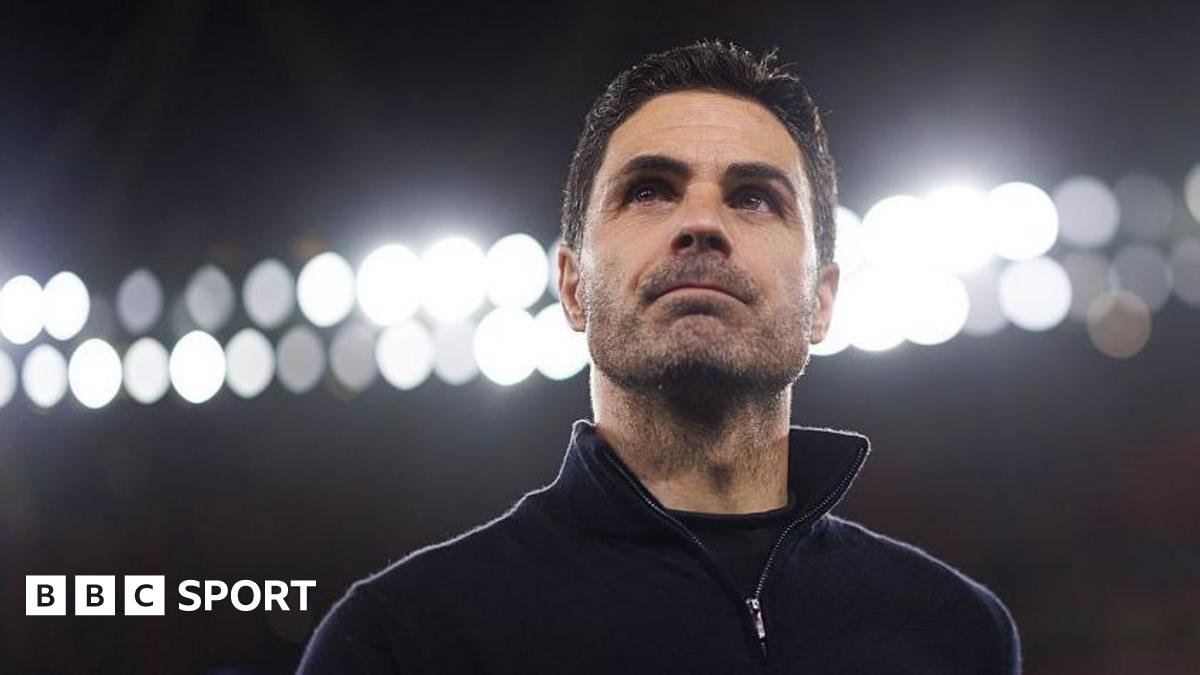
Arsenal's anxiety ahead of City is the ultimate proof of their evolution
The weight of the Sunday showdown
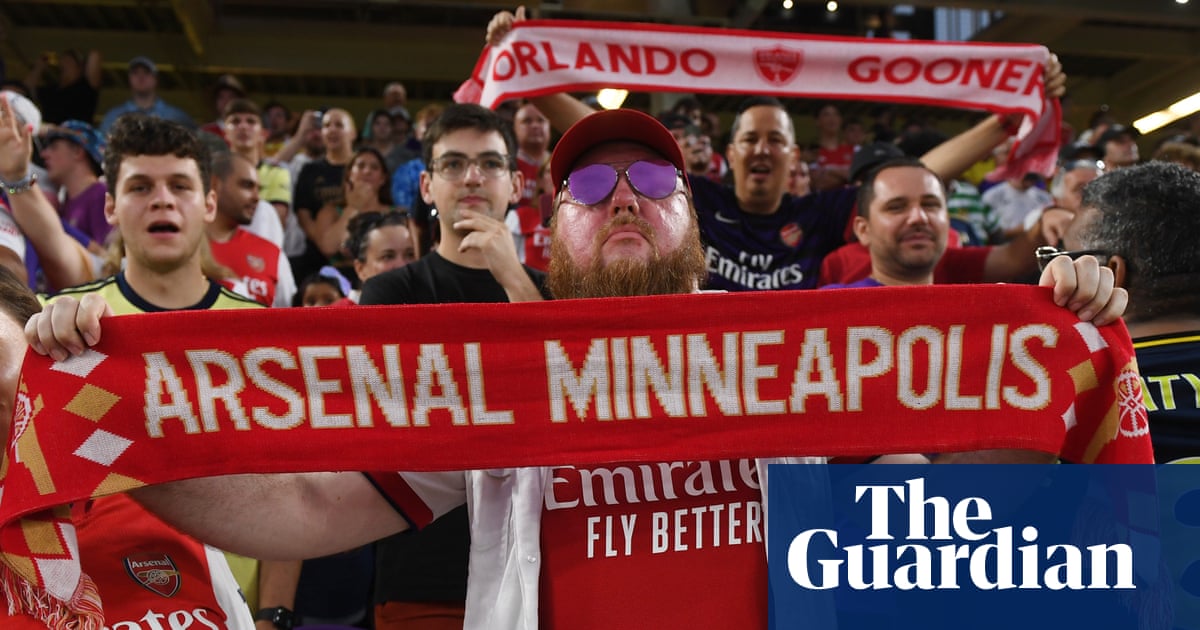
North London is currently vibrating with a frequency that only those who have lived through the late-Wenger era can truly identify. It is a mixture of genuine belief and the traumatic memory of past collapses. As The Guardian reported today, fans are describing a cocktail of panic and anxiety ahead of this Sunday’s trip to the Etihad. This isn't just about three points; it is about the final psychological hurdle in the Mikel Arteta project.
For years, Arsenal were the team that played pretty football but folded the moment the physical or tactical temperature rose above a certain threshold. That changed with the arrival of Declan Rice, but the shadow of Manchester City remains the final boss in this particular simulation. When a fan mentions seeing Thierry Henry score a goal in an old advertisement as their entry point to the club, they are evoking an era of invincibility that has felt like a taunt for two decades. On Sunday, that nostalgia meets a cold, hard tactical reality.
The anxiety mentioned by supporters is actually a positive indicator of the club's current status. You don't feel this level of dread for a mid-table clash or a dead-rubber European fixture. You feel it when the margins are thin enough to be measured in millimeters. Arsenal are no longer the underdog looking for a puncher's chance. They are a tactical mirror of City, and that is exactly why the nerves are so shredded.
Dissecting the Guardiola-Arteta chess match
Tactically, we are looking at two teams that prioritize the same zones but utilize them with different intentions. Pep Guardiola has spent the 2025-26 season refining a system that emphasizes 3.25 goals per game through extreme central density. He wants to lure the Arsenal press into the middle, only to exploit the half-spaces with late runs from his interior midfielders. It is a trap Arteta has fallen into before, most notably in the spring of 2023.
Arteta’s response this season has been to implement what I call the high-block restraint. Instead of the frantic, energy-sapping press of his early years, he has coached his front three to shadow the passing lanes to Rodri rather than chasing the ball itself. This forces City’s center-backs to carry the ball into midfield, where Rice and Martin Ødegaard are waiting to trigger a physical confrontation. It is a game of chicken played at the highest possible speed.
The key battleground on Sunday will be the right-hand side of Arsenal's defense. If Ben White is left isolated against City’s wide men without consistent cover from Bukayo Saka, the structural integrity of the back four will crumble. We saw this in the 22nd minute of their last encounter, where a failure to track back led to a sequence of three consecutive corners that eventually broke the deadlock. Precision in the defensive transition is non-negotiable.
The Rice factor and the middle third
Declan Rice remains the most significant piece of business done in the Premier League in the last three years. His ability to cover the ground between the two boxes allows Ødegaard the freedom to stay high and press the City goalkeeper. Without Rice, Arsenal would be forced to sit in a low block, ceding 70% of possession and praying for a counter-attack. With him, they can actually contest the middle of the pitch.
City’s primary goal will be to bypass Rice by using a double-pivot that pulls him out of the central corridor. If they can force Rice to move laterally to cover the wings, they open up the space in front of William Saliba. This is where City are most dangerous. They don't just beat you with skill; they beat you by creating 2-on-1 situations in areas where your defensive coverage is thinnest.
Arsenal's success will depend on their ability to maintain a compact 4-4-2 shape when out of possession. The distance between the defensive line and the midfield line must be kept under 12 meters at all times. Anything larger than that provides City with the 'pockets' they need to turn and face the goal. It is a grueling, exhausting way to play football, but it is the only way to survive the Etihad.
The psychological scar tissue
The Guardian’s report highlights a fan who mentioned their father is a Liverpool supporter. That cross-generational rivalry adds a layer of pressure that often goes unmentioned in tactical blogs. There is a sense that Arsenal are carrying the hopes of every non-City fan in the country. This weight can be a catalyst, but it can also lead to the kind of 'heavy legs' we see when players start overthinking their basic responsibilities.
Arteta has spent much of the last month trying to de-escalate the rhetoric around this game. He speaks of it as just another match, but his players know better. The panic the fans feel is reflected in the way Arsenal have started recent big games. They have a tendency to be overly cautious in the first fifteen minutes, almost afraid to make the first mistake. Against City, that passivity is a death sentence.
If Arsenal go into Sunday looking to 'not lose,' they will almost certainly lose. City are masters at probing a defensive shell until a crack appears. The only way to beat them is to make them uncomfortable. That means taking risks with the ball, playing through the press even when it feels dangerous, and trusting that the technical level of the squad is finally high enough to compete on even terms.
The critical flaw in the Arsenal machine
Despite all the progress, there is a recurring weakness in this Arsenal side that should keep every supporter awake on Saturday night. It is their game management when leading by a single goal after the 75th minute. Instead of maintaining their high line and keeping the ball in the opposition half, they have a deep-seated instinct to drop into a low block. This invites a level of pressure that even a defender as talented as Gabriel Magalhães cannot always withstand.
We saw it against Bayern earlier in the cycle and we saw it in the draw against Chelsea. By dropping deep, they surrender the very control that Arteta has worked so hard to establish. It is a tactical retreat that feels more like a mental collapse. If they find themselves 1-0 up on Sunday with fifteen minutes to go, the decision to either push for a second or sit on the lead will define their entire season.
This lack of 'killer instinct' in the final stages of elite matches is the one area where Guardiola still holds a clear advantage. City don't stop playing when they are ahead. They simply change the rhythm of their possession to make it impossible for the opponent to get the ball back. Arsenal haven't quite mastered that 'keep-ball' arrogance yet. They still look like they are holding their breath until the final whistle blows.
The final stretch and the UCL factor
The timing of this match is particularly brutal given that the Champions League semi-finals are just 12 days away. Both squads will be monitoring the fatigue levels of their key players, but Arteta has less room to rotate than Guardiola. If Saka or Ødegaard pick up a knock on Sunday, the European campaign could be over before it truly begins. It is a high-stakes gambling session where the house always seems to have a slight edge.
Manchester City’s squad depth allows them to make three or four changes without a significant drop in quality. Arsenal, conversely, are still heavily reliant on a core group of 14 players. This disparity usually shows up in the final twenty minutes of games. When City bring on fresh world-class talent to run at tired defenders, the anxiety in the away end will reach its peak. It is a structural advantage that money buys, and one that Arsenal have to overcome with sheer tactical discipline.
The fans interviewed by The Guardian are right to feel everything. The anxiety is the tax you pay for being relevant again. For years, Arsenal fans didn't feel this way because the games didn't matter. They were playing for fourth place or a domestic cup run. Now, they are playing for the soul of English football. That is a heavy burden, and Sunday will reveal if this group of players is strong enough to carry it to the finish line.
Why the Sunday result is final
While managers love to say that one game doesn't decide a title, they are usually lying. A win for City on Sunday puts them in a position where they would need to lose twice in the final month to surrender the lead. Given their historical consistency in May, that is a fantasy. A win for Arsenal, however, would be the loudest statement of intent made by any club since the Leicester City miracle.
It would prove that the gap has not just been closed, but crossed. It would validate the millions spent and the tactical risks taken. More importantly, it would cure the anxiety that has plagued the fanbase since 2004. The panic described in the news today isn't a sign of weakness; it is the final bit of resistance before a potential breakthrough. Whether that breakthrough happens on the pitch at the Etihad or remains a dream for another year depends entirely on the 90 minutes of tactical warfare awaiting us on Sunday.
The atmosphere will be hostile, the stakes will be astronomical, and the football will be played at a level of technical perfection that few other leagues can match. For the Arsenal fans watching from around the world, the advice is simple: embrace the panic. It means you are exactly where you wanted to be. Now, let’s see if Arteta can actually deliver the killing blow to the monster he helped build.
Read Next
- Arsenal and Manchester City are fighting for a title and a €100m future
- Arsenal’s pressure cooker is boiling over with Arteta at the controls
- Ian Wright is speaking for every Arsenal fan right now
- Arsenal fans are losing their minds over Arteta's transparency issues again
- ⭐ UCL 2026 — Champions League Quarter-Finals Hub
Nike Premier League Academy Soccer Ball
The official look of the Premier League for your weekend kickabouts.
Frequently Asked Questions
Why are Arsenal fans experiencing anxiety before the City match?
How has Mikel Arteta adapted Arsenal's pressing strategy this season?
What is Pep Guardiola's primary tactical approach for the 2025-26 season?
Where is the key tactical battleground for Arsenal's defense against City?
Who has been crucial in changing Arsenal's ability to handle high pressure?
More Coverage
Arsenal’s European ambition check is about eighty games overdue
7 minutes ago
Tottenham are shaking up the squad with a record-breaking push
12 minutes ago
Arsenal weigh up Ethan Nwaneri departure as Premier League interest grows
12 minutes ago
Arsenal's transfer strategy remains locked on silverware
13 minutes ago
Atletico Madrid are at war with Barcelona over Julian Alvarez
13 minutes ago
Anthony Gordon to Barcelona is a high-stakes gamble for all involved
16 minutes agoMore Analysis

Arsenal are finally ready to trade punches with Manchester City
1 month ago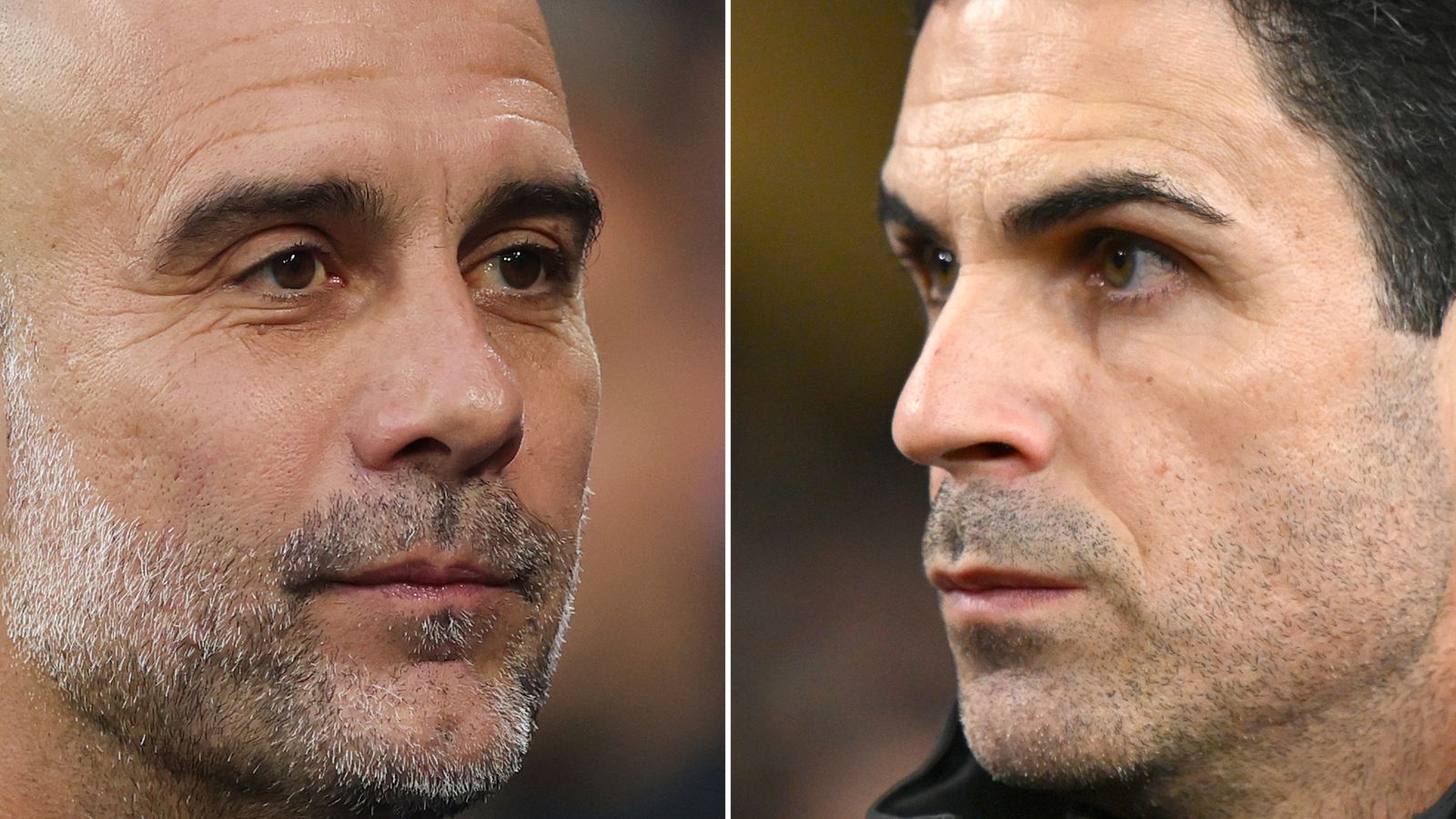
Arsenal finally have the chance to bury their Etihad ghosts
1 month, 1 week ago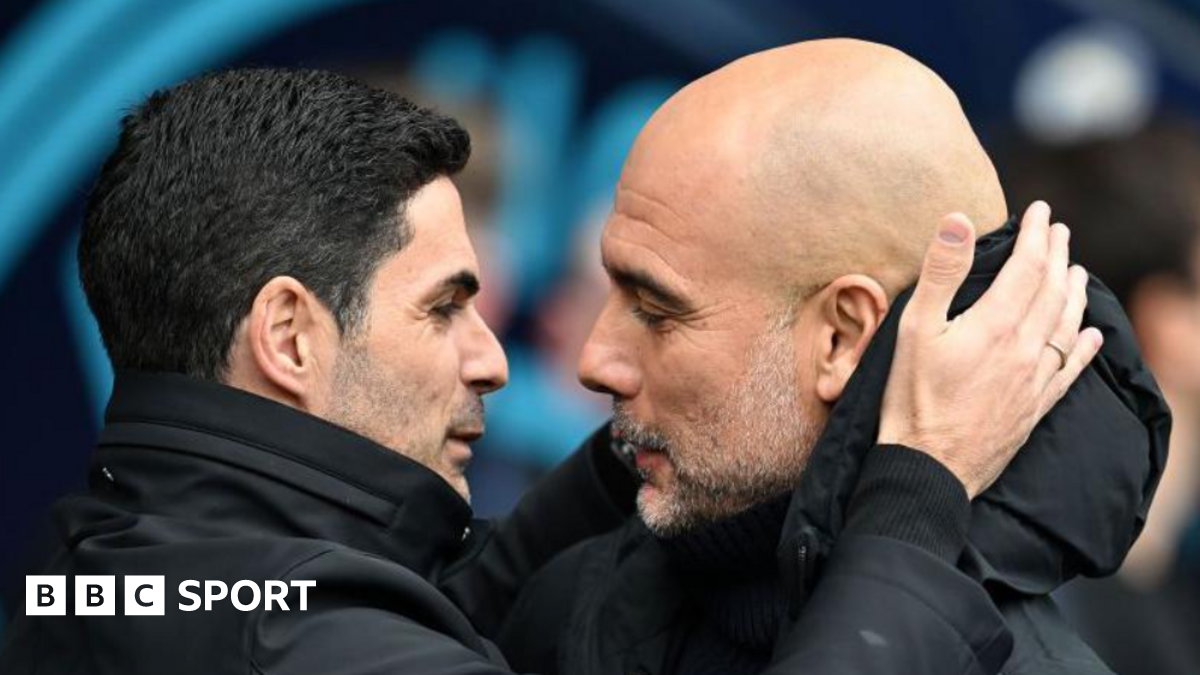
Arsenal finally have the tools to break the Etihad curse
1 month, 1 week agoArsenal are finally ready to break the 4,109-day Etihad curse
1 month, 1 week ago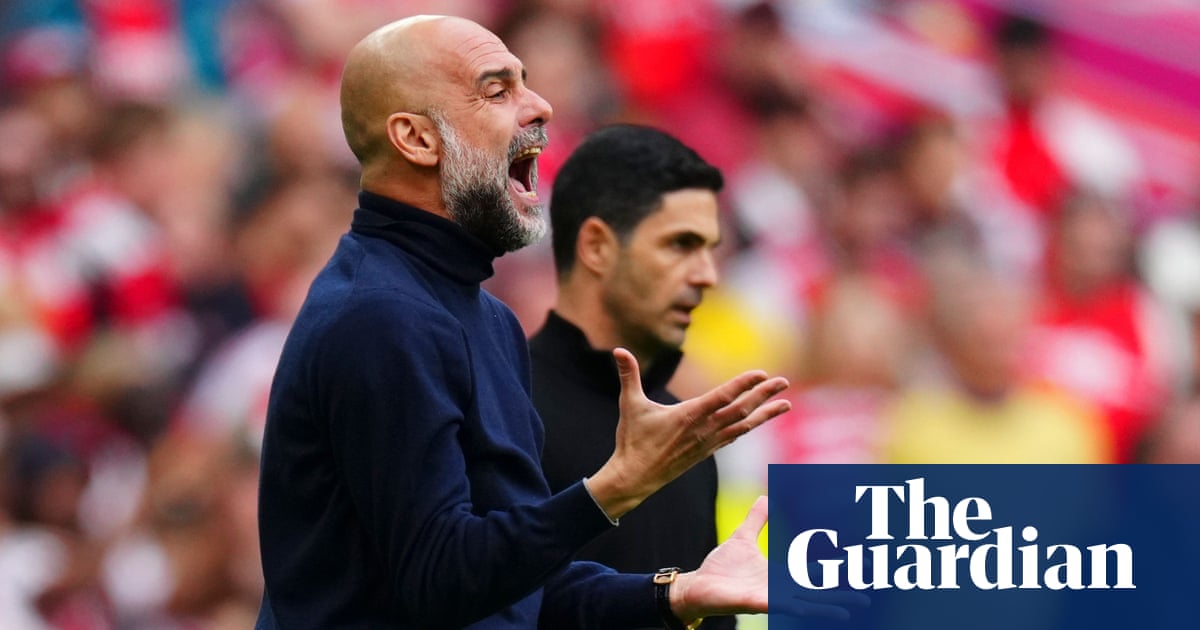
Arteta is risking everything by abandoning his Cruyffian roots at the Etihad
1 month, 1 week ago