Another Year, Another Trophy, Another Question
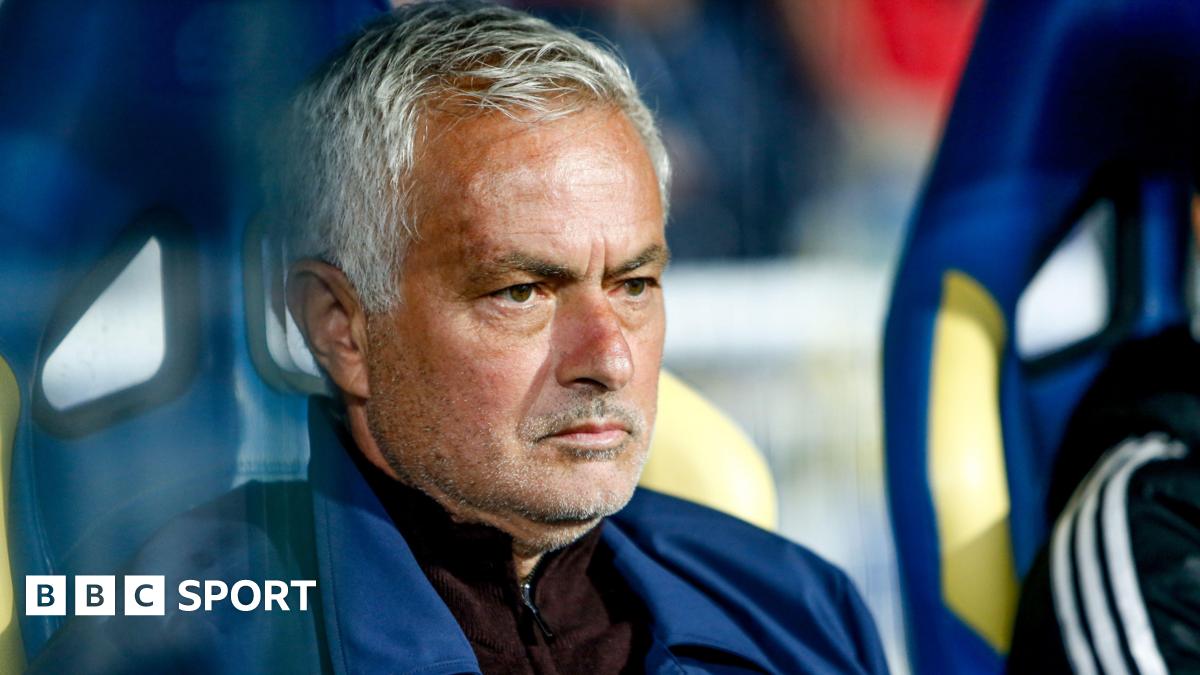
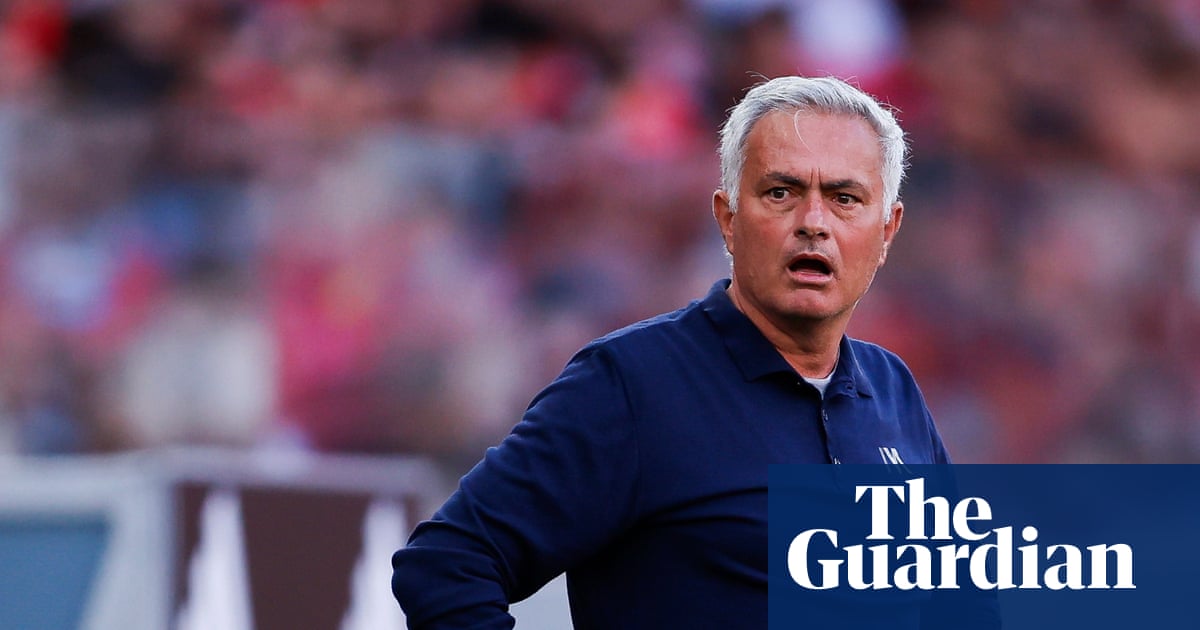
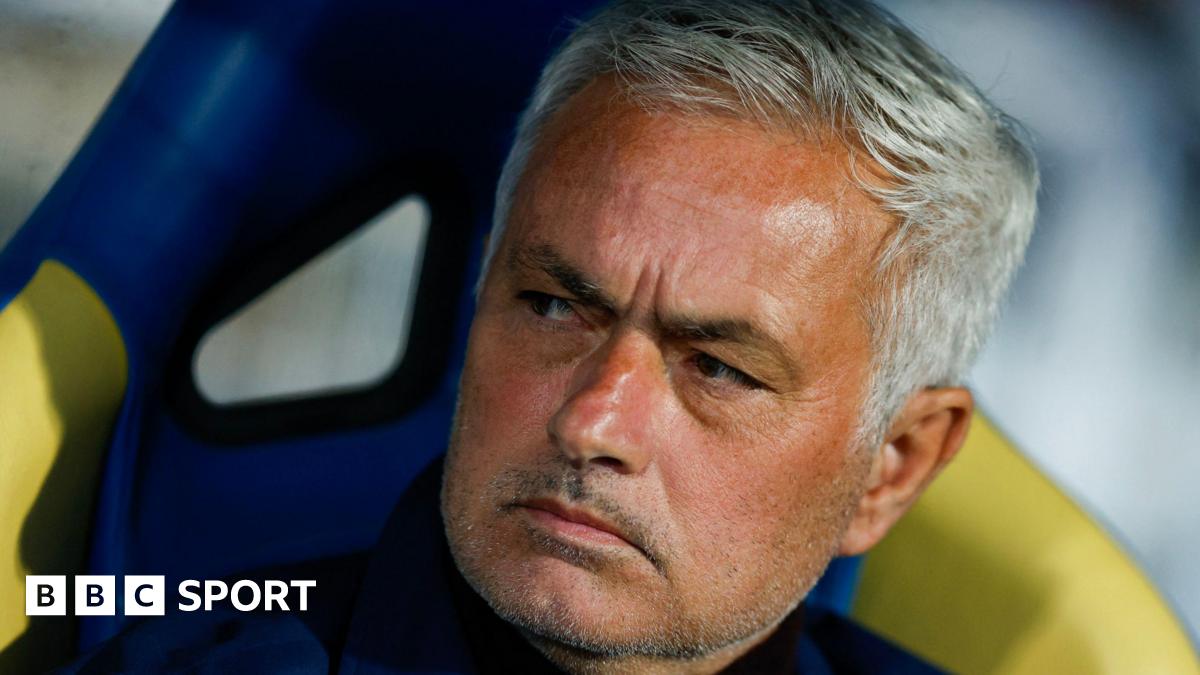
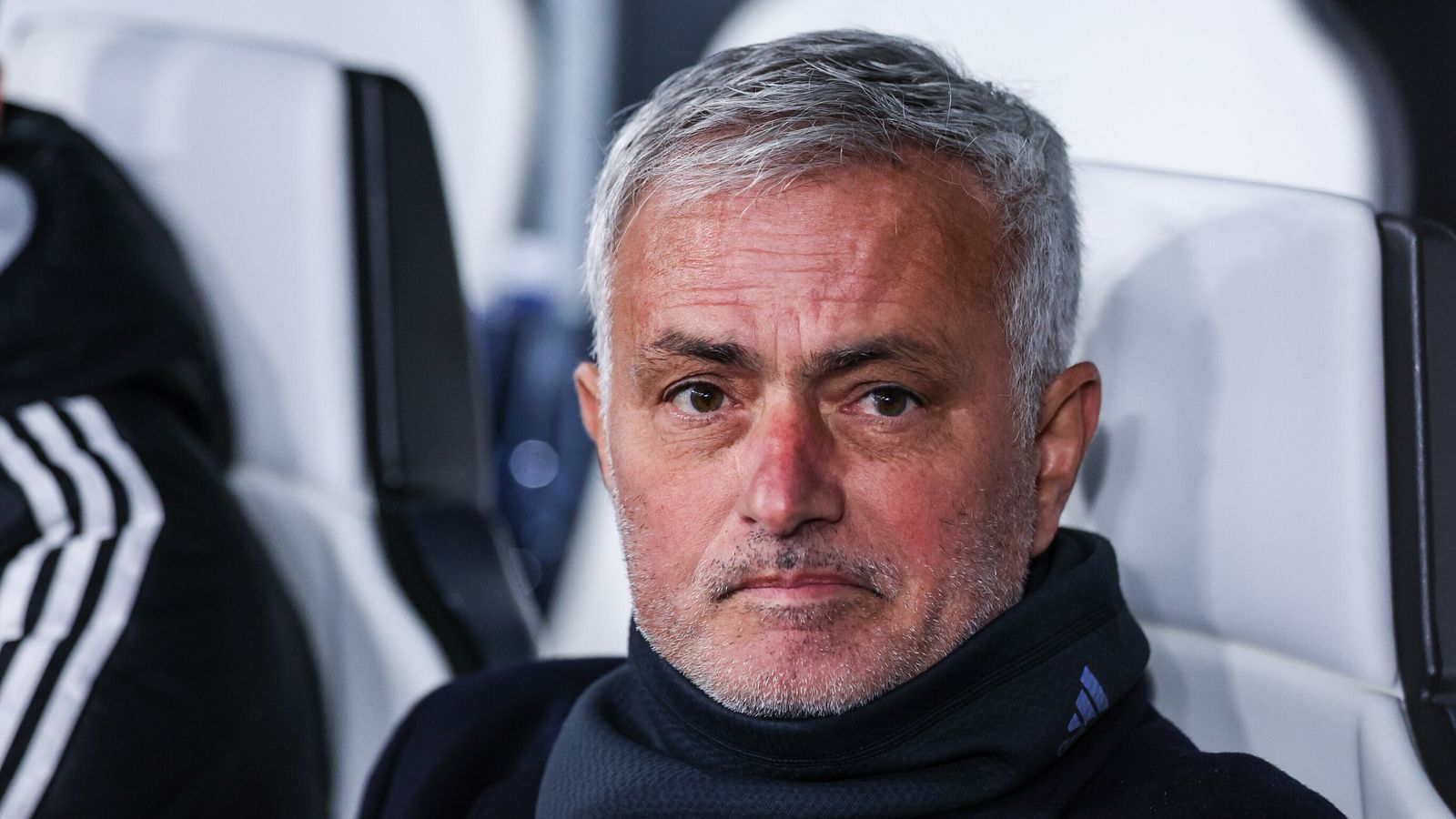
So, José Mourinho just won another trophy. Let that sink in. While your favorite club was probably sweating through preseason tours and trying to figure out their new homegrown player quotas, José was back in his old stomping grounds at Benfica, hoisting the 2025 Supertaça Cândido de Oliveira. Of course he was. Water is wet, the sky is blue, and José Mourinho wins silverware. It’s one of the few reliable truths left in this chaotic world.
But as the confetti settled, you have to ask the question that’s been lingering around him for the better part of a decade: what does a Mourinho trophy even mean in 2026? Is he still the ‘Special One,’ the tactical mastermind who breaks empires? Or is he just the world’s most qualified smash-and-grab artist, a man you call when you absolutely, positively have to win a secondary domestic cup before the whole project goes up in flames?
It’s the most fascinating question in football. In an era defined by the beautiful, intricate systems of guys like Pep Guardiola and the heavy-metal football of the Klopp school, Mourinho stands alone. He is the last king of beautiful destruction, and his career is a roadmap of glory, chaos, and magnificent, unapologetic spite.
The Hurricane That Shook Europe
It’s easy to forget now, but the man who arrived in England in 2004 was a genuine force of nature. This wasn't some refined philosopher of the game; this was a hurricane in a tailored suit. He’d just ripped through Europe with an unfancied Porto side, winning the UEFA Cup and then, impossibly, the Champions League. He did it with a team built on ironclad defense, tactical discipline, and the sheer, unadulterated belief that they could punch any giant in the mouth.
Then he came to Chelsea, declared himself the 'Special One,' and proceeded to back it up with a level of arrogance that felt earned. That 2004-05 Chelsea team was a monster. They conceded a grand total of 15 goals all season on their way to the Premier League title. It wasn't just a win; it was a statement. He built a blue death machine with a spine of Cech, Terry, Lampard, and Drogba that was designed for one purpose: to suffocate the life out of you and then score on the break. It was brutal, efficient, and utterly brilliant.
The Treble and The White Whale
If Porto was the announcement and Chelsea was the confirmation, his two years at Inter Milan were the masterpiece. The 2010 treble remains his Sistine Chapel. Taking a veteran squad, he out-schemed everyone. The Champions League semi-final against Guardiola’s peak Barcelona is still the textbook example of Mourinho-ball. They defended with ten men, they suffered, they ran themselves into the ground, and they won. It was a triumph of will, a tactical masterclass in anti-football that was more compelling than most attacking clinics.
That performance got him the job he craved: Real Madrid. His mission was singular and obsessive: destroy Pep Guardiola’s Barcelona. For three years, El Clásico wasn't a football match; it was a holy war. The football was often secondary to the psychodrama. Eye pokes, touchline sprints, press conference warfare—it was pure chaos. He did what he was hired to do, breaking their stranglehold on La Liga in 2012 with a team that mastered the art of the counter-attack, but it came at a cost. By the end, the club was fractured, the dressing room was divided, and José was gone. It was the birth of the infamous 'third-season syndrome'.
Ghosts of Seasons Past
His second act has been a strange and winding road. The return to Chelsea in 2013 felt like a Hollywood homecoming, and it even came with another Premier League title in 2015. But the magic was different, the spark more volatile. The eventual collapse was spectacular, a full-blown meltdown that saw him sacked before Christmas, muttering about betrayal from his players.
Then came Manchester United, a job that once seemed his destiny. He delivered trophies—the Europa League and the League Cup—and loves to count them as a 'treble'. But the football was often a grim spectacle. The joy was gone, replaced by a perpetual scowl and public feuds with players like Paul Pogba. He made United harder to beat, but he also made them harder to watch. The 'park the bus' stereotype became a weekly reality.
The Conference League King
In recent years, he has seemed to embrace a new role: the hired gun for clubs starved of glory. His time at Tottenham was arguably the low point, a tenure that promised silverware but ended with him being fired six days before he could manage them in a cup final. It was a move so perfectly 'Spursy' it almost felt like performance art.
The Roma job was a redemption of sorts. He didn't bring them a Scudetto, but he delivered their first-ever European trophy, the UEFA Conference League. The scenes in Rome were biblical. The fans adored him, and he adored them back. He was a god, a gladiator defending the city's honor. It proved he could still connect, still inspire a city. But the league form never quite followed, the top-four remained out of reach, and after a short, uneventful stopgap at Fenerbahçe, the cycle began anew. He was out. Again.
Which brings us back to Benfica in May 2026. He's winning again, sure. But it’s the Supertaça. It’s not the Champions League. He’s no longer the man the biggest clubs in the world call first. He's the man you call when you're desperate to feel something, to win *anything*, and you're willing to trade three years of peace for one parade. It’s a hell of a bargain, but the cleanup is always messy. The Special One is still special, but now he comes with terms and conditions.
Read Next
- Man United chasing Federico Valverde is the funniest rumor of the summer
- Casemiro is right about Gareth Bale, but Ronaldo fans can't handle it
- Top 10: The Moments That Defined the Modern Game
- Why Iker Casillas is begging Real Madrid to ignore the Jose Mourinho rumors
- ⚽ Serie A 2025-26 — Title Race Hub (Inter, Napoli, Juve, Milan)
- ⚽ La Liga 2025-26 — Title Race Hub