The Hampden send-off disaster
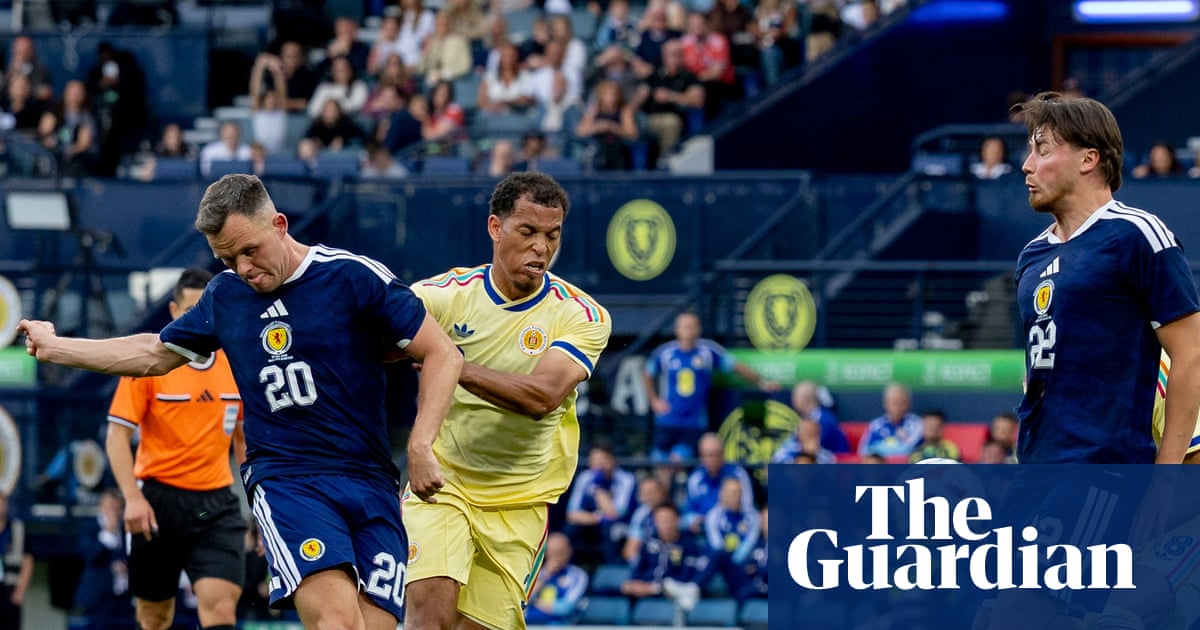
Scotland’s World Cup preparations have hit a critical snag after Billy Gilmour was officially ruled out of the upcoming tournament. The Napoli midfielder suffered a knee injury during Saturday’s warm-up friendly against Curaçao at Hampden Park. Despite Scotland recording a 4-1 victory, the mood surrounding the camp has soured immediately.
Steve Clarke confirmed the extent of the damage following the match, expressing genuine heartbreak for the player. While the team managed to recover from an early deficit against 10-man Curaçao, the loss of a primary midfield component creates a massive tactical void. Medical staff have officially sidelined Gilmour, effectively ending his participation before the tournament kickoff on June 11.
Strategic fallout and the replacement scramble
The timing could not be worse for Clarke. With only 12 days separating the squad from the opener, the coaching staff is forced into an emergency personnel review. Reports suggest Manchester United's Fletcher is under consideration as a potential replacement, though no formal announcement has been made by the Scottish Football Association.
The reliance on Gilmour as a central pivot in middle-of-the-park transitions has been a staple of Clarke’s setup. Losing him removes the primary engine for ball progression. The squad must now pivot to a revised tactical design without the luxury of further warm-up matches to test new combinations.
Historical precedent for last-minute withdrawals
Late-event withdrawals rarely result in positive tournament outcomes. Teams scrambling for replacements this close to a whistle-off frequently suffer from disrupted unit chemistry. Similar to previous tournament cycles where late forced rotations occurred, the burden shifts to bench players who have not been integrated into the starting XI’s high-intensity rhythms.
For the broader tournament, this adds to growing concerns regarding player load. While other stars like Lionel Messi navigate “muscular overload” heading into the summer, Gilmour’s acute injury highlights the physical volatility of the current schedule. Managing squad health has become as vital as scouting opponents.
Negative outlook on depth
Critically, the match against Curaçao did little to inspire total confidence in the squad's readiness. While Lawrence Shankland’s second-half goals helped avoid a potential embarrassment, the initial struggle against a 10-man side revealed glaring defensive gaps. If the midfield cannot control the center, Scotland will be vulnerable against higher-tier group opponents.
- Confirmed: Billy Gilmour out of 2026 World Cup
- Event: Knee injury sustained in Scotland's 4-1 win over Curaçao
- Next steps: Squad selection review for potential late call-up
As reported by Sky Sports, Clarke’s concerns shifted from competitive performance to medical reality in a matter of hours. The focus now turns to whether the remaining roster can stabilize before the opening match. Given the history of Clarke’s four-year tenure, he will likely prioritize defensive solidity over creative risk-taking to compensate for the missing link.
Read Next
- Billy Gilmour's injury just turned Scotland's World Cup into a funeral march
- Scotland face a midfield crisis just days before the World Cup
- Scotland are sleepwalking into a World Cup disaster
- Chaos at Anfield and panic in the Tartan Army
- 🏆 World Cup 2026 — Full Coverage Hub
- 🏴 Scotland World Cup 2026 — Tartan Army Hub
- 🇧🇷 WC 2026 Group C — Brazil, Morocco, Scotland, Haiti