The statistical reality of the post-Slot era
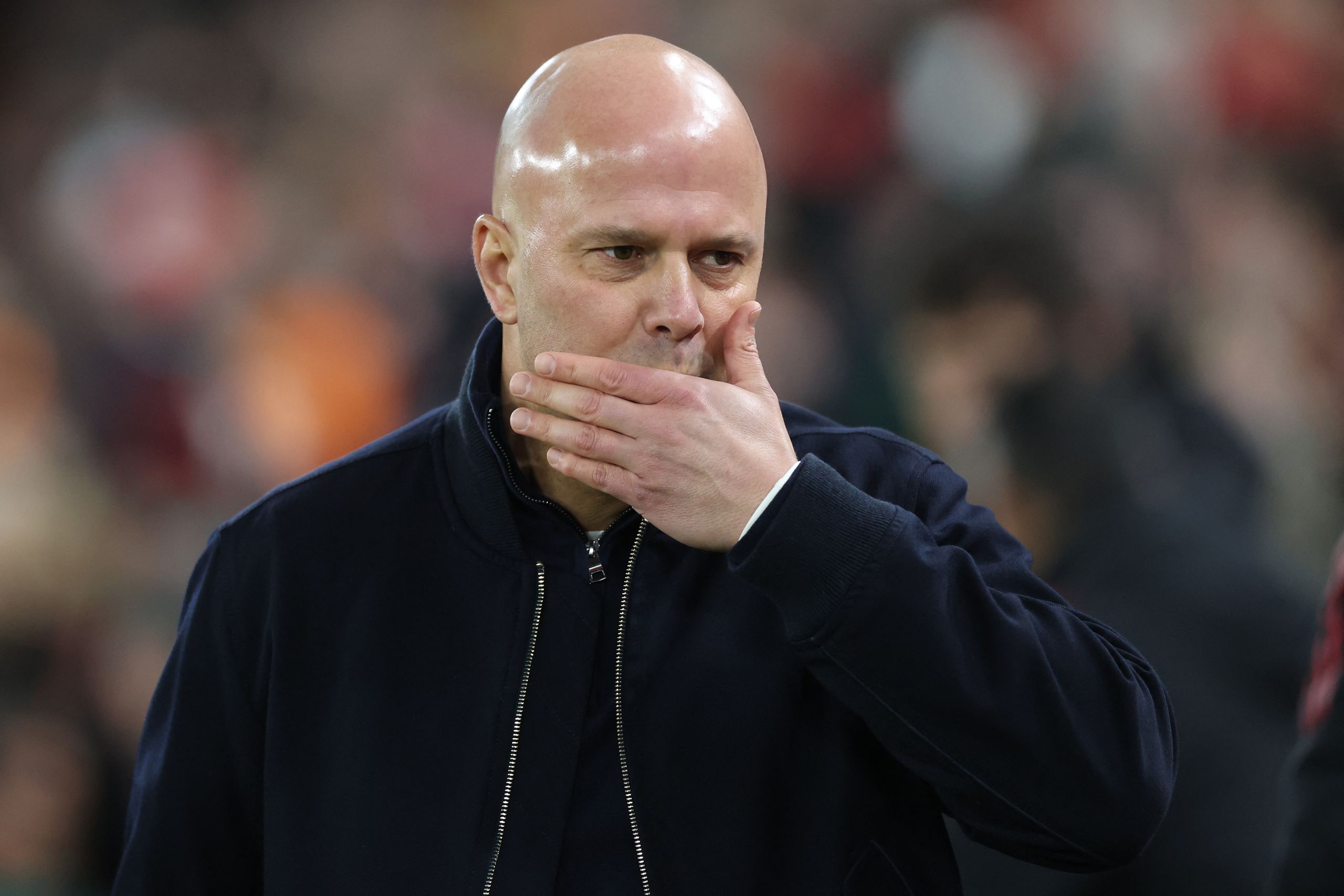
Liverpool find themselves in a precarious state of flux as they head into the 2026 summer window. The departure of Arne Slot has left the club scrambling to define a project that was only twelve months old when it collapsed. At the center of this uncertainty sits Mohamed Salah, whose production remains paradoxically high despite the systemic turbulence surrounding him.
Salah’s output in the 2025-26 season highlights a reliance on individual brilliance that masks deeper creative deficiencies. Across all competitions, the Egyptian winger maintained a direct goal contribution rate of 0.84 per 90 minutes. This number is statistically significant, yet it represents a sharp decline from the 1.15 he posted in the 2021-22 campaign.
Defining the regression trajectory
Data from the current campaign indicates that Liverpool’s expected goals from open play dipped by 12% following the tactical adjustments implemented last autumn. Without a permanent head coach to instill structural consistency, the team’s passing completion rate in the final third dropped to 74.2%. This creates a high-pressure environment for attackers like Salah, who are forced into lower-percentage shooting opportunities from wide areas.
As Sky Sports reported, the conversation surrounding a contract U-turn has intensified precisely because the squad lacks a clear replacement for his output. The club is weighing a potential renewal that would keep him at Anfield beyond his current deal, yet the risk of a declining physical profile is real. His sprints per game average fell from 48 to 36 over the last three seasons.
The financial trap of reliance
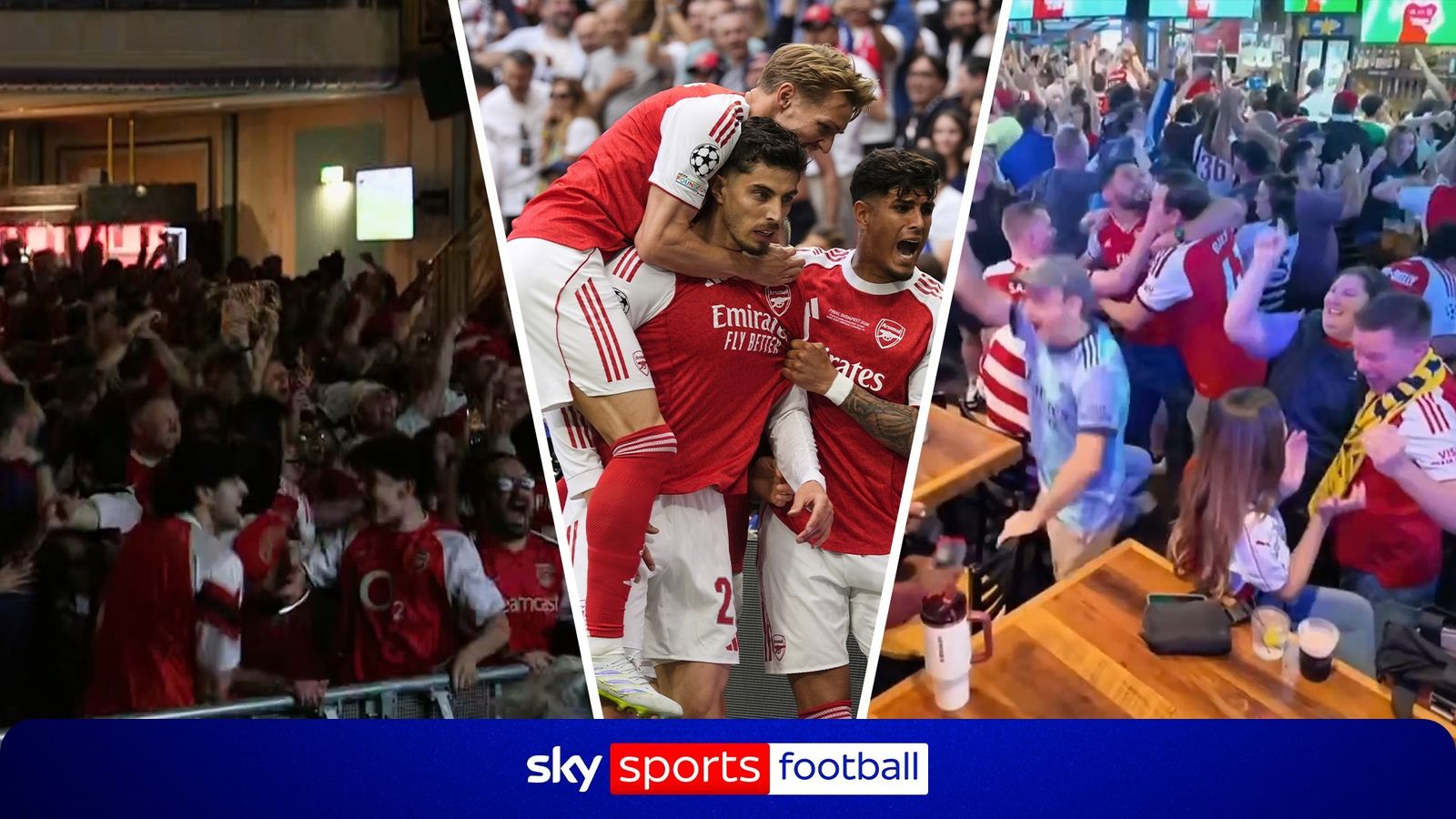
Liverpool’s reliance on veterans is evidenced by an average squad age that reached 28.4 years in May 2026. This is the oldest starting XI composition the club has utilized in half a decade. When comparing this to the youthful movement seen at teams like Arsenal, as noted in previous analysis regarding their failed Champions League campaigns, one sees a clear tactical divergence.
Investing heavily in a player entering his mid-30s during a managerial vacuum is a dangerous allocation of resources. If Liverpool commit to an extension, they must weigh his 0.84 goal contribution metric against a 15% reduction in successful dribble attempts. The data suggests an elite performer, but one who is slowly moving toward a supporting role rather than a primary initiator. If the board decides to move forward, it signifies a pivot toward preserving identity over rebuilding the tactical base.
Read Next
- Arne Slot's Liverpool exit: A 20th title followed by total collapse
- Top 10: Defining Moments of the 2026 Football Season
- Arsenal's transfer window strategy hinges on post-PSG squad adjustments
- Liverpool must move past the Arne Slot exit and find an identity again
- 🇪🇬 Egypt World Cup 2026 — Salah's Last Dance