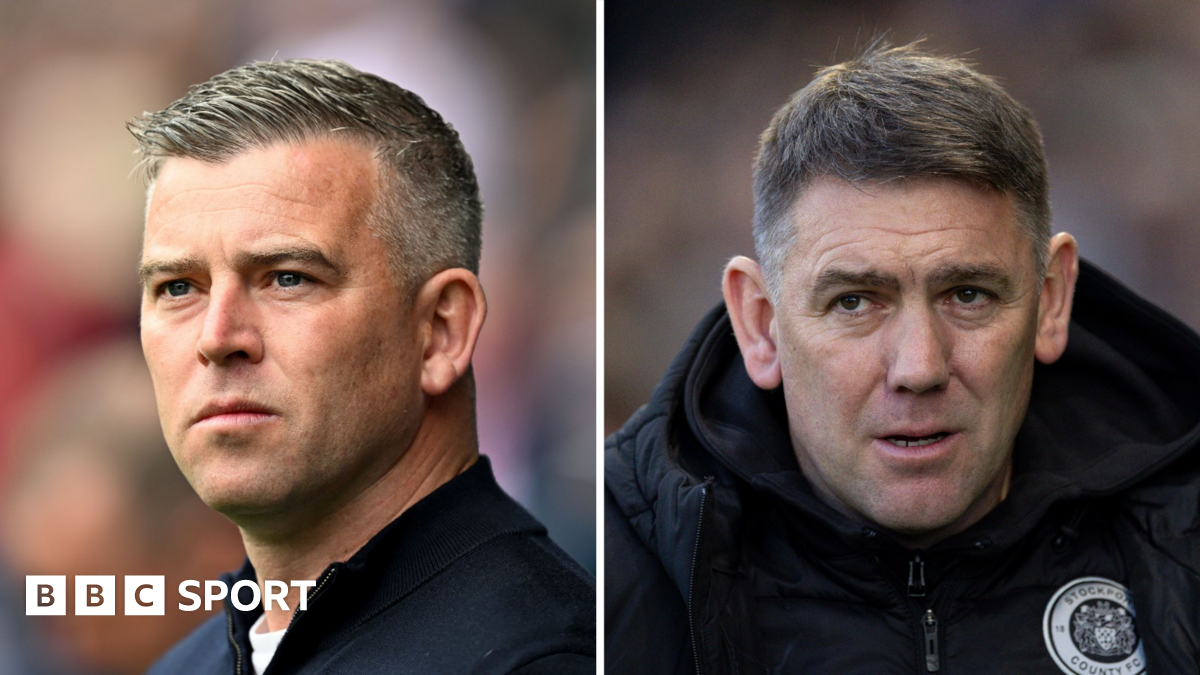
Wembley redemption for the Trotters
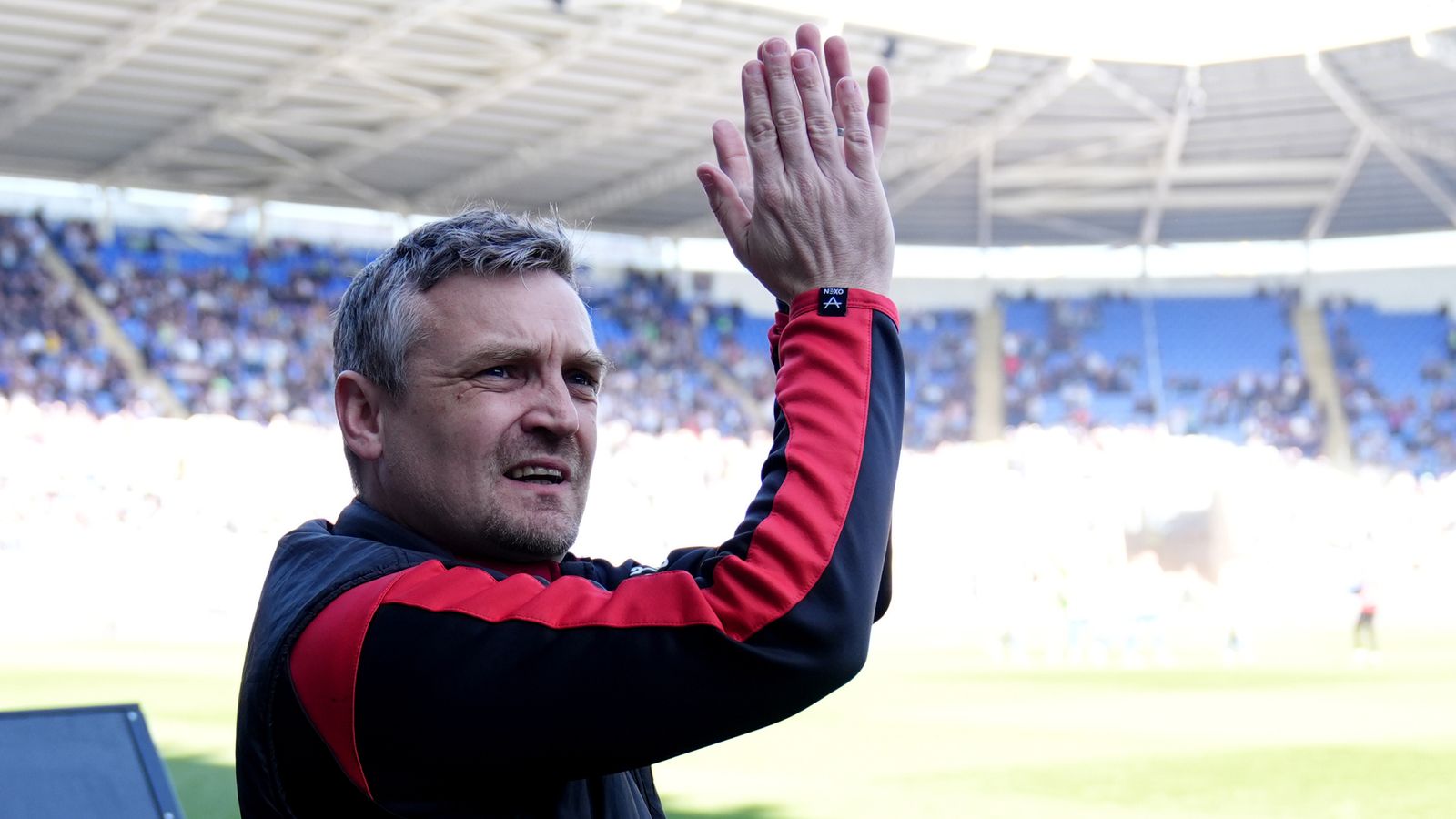
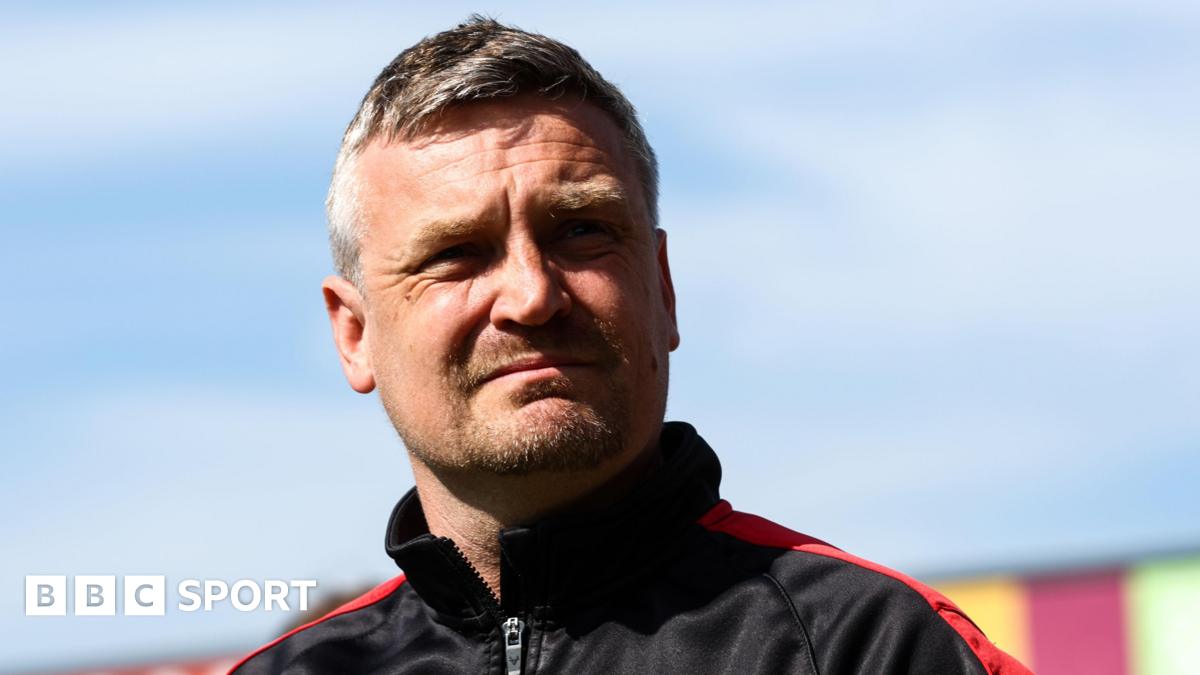
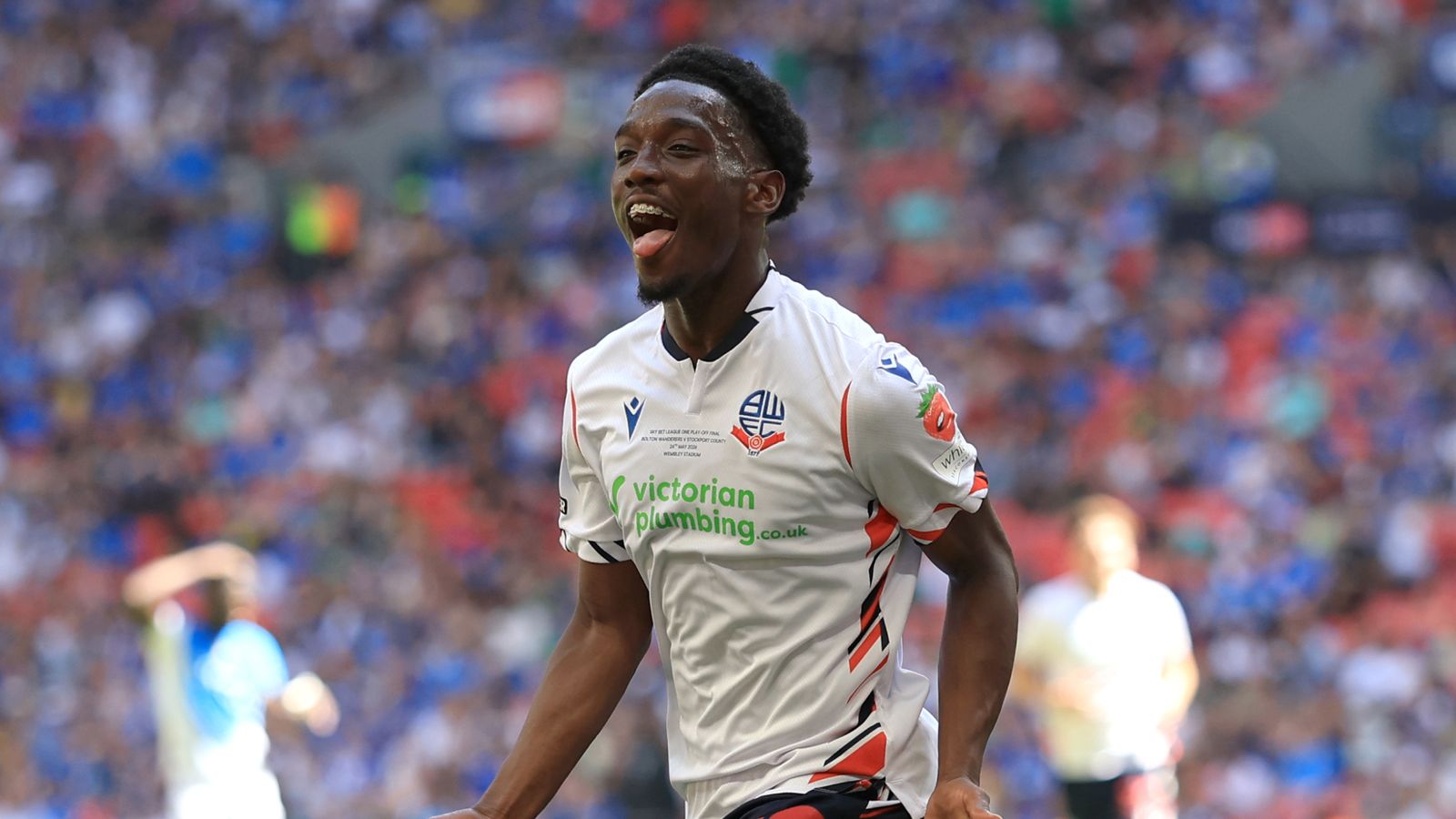
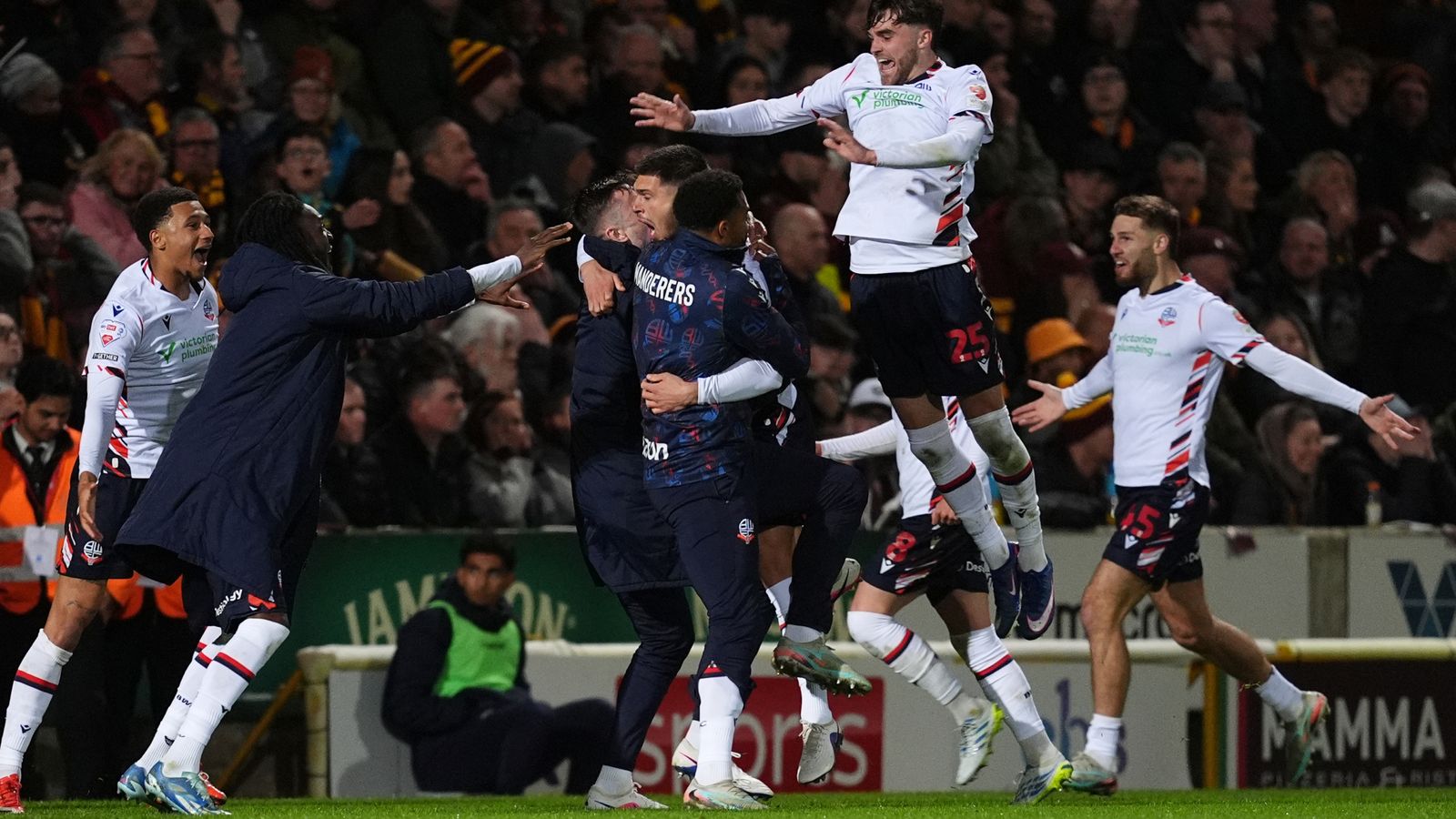
Bolton Wanderers are officially back in the Championship, capping a long journey from the dark days of 2019 administration and League Two obscurity. Their convincing 4-1 victory at Wembley underscored a tactical shift under Steven Schumacher that finally paid dividends when it mattered most. Watching the match unfold, the gulf in clinical execution between the two sides was obvious from the opening phase.
Rúben Rodrigues was the architect of the victory, consistently finding pockets of space between the Stockport defensive lines and the sitting midfielders. While the scoreline reflects a dominant performance, the match was far from the clean narrative suggested by the final result. The game turned on its head in the 81st minute when Sam Dalby delivered an overhead kick, a goal that will be replayed on loop for years in Lancashire.
The VAR shadow looms over domestic finals
Despite the celebratory mood, the officiating provided a sharp reminder that technology is no cure for controversy. The match featured significant VAR drama when a potential equalizer for Stockport was chalked off following a lengthy review. The decision to rule out the effort left Stockport supporters incensed, and the delay effectively sapped the momentum they had built after Emillia Sidibeh’s early equalizer.
Referees are tasked with objective analysis, but the subjective interpretation of incidents like the reported hair-pull mentioned in some match reports injects chaos into the logic of the game. For a tournament of this magnitude, the inconsistency of these interventions remains a structural flaw that detracts from the spectacle. When a game turns on a zoomed-in pixel check rather than pure movement or ball-striking, the purity of the contest suffers.
Tactical reality for the coming season
Looking ahead, Schumacher faces a massive challenge in adjusting this squad for the rigors of the second tier. While the current 4-2-3-1 setup allowed Cozier-Duberry and Gale to stretch the pitch vertically on Saturday, doing so against Championship-level presses is a different beast entirely. Bolton’s defenders, particularly in the fullback areas, often left gaps that Stockport could have exploited earlier, had they been more clinical in the final third.
The club has done well to rebuild, but there is an obvious lack of squad depth that will be punished by better-funded opposition in the coming months. Relying on moments of magic, like Dalby’s 81st-minute strike, is not a strategy for sustained success in a high-intensity league. Managing the transition from the euphoria of promotion to the grim arithmetic of Championship survival is the most difficult hurdle any manager faces. If they fail to secure two or three defensive anchors, they risk a quick return to their previous struggles.
The verdict on Bolton's trajectory
Bolton earned their promotion on the strength of their attacking rhythm, and I predict they will avoid immediate relegation next season. Their ability to transition from defense to attack in under 10 seconds, a trademark seen during their surge to Wembley, remains their most dangerous weapon. However, their reliance on specific attacking patterns makes them predictable against organized, low-block teams. Expect a season defined by home wins and frustrating road losses, finishing comfortably in the bottom half of the table.
Read Next
- Why Steven Schumacher has already solved Bolton's Championship survival puzzle
- Hull and Middlesbrough are about to play the most controversial final ever
- Top 10 Hull Promotion Stories: Spygate Drama, Wembley Agony, and a £200m Jackpot
- Oli McBurnie's stoppage-time strike sends Hull City back to the Premier League
- 🏟 EFL Championship 2025-26 — Promotion Race & Play-Off Final Hub