The Physical Reality of a Managerial Exodus
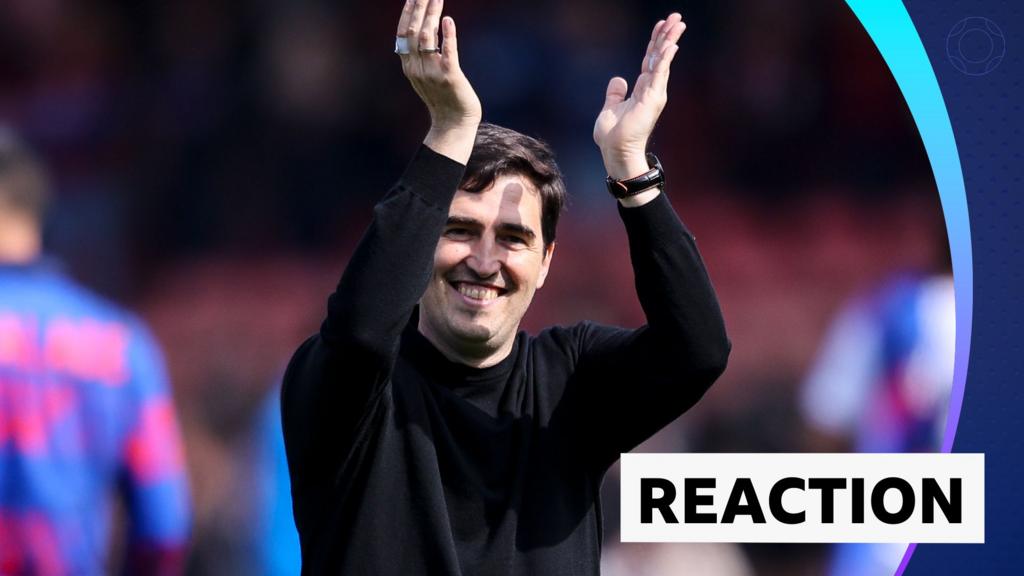
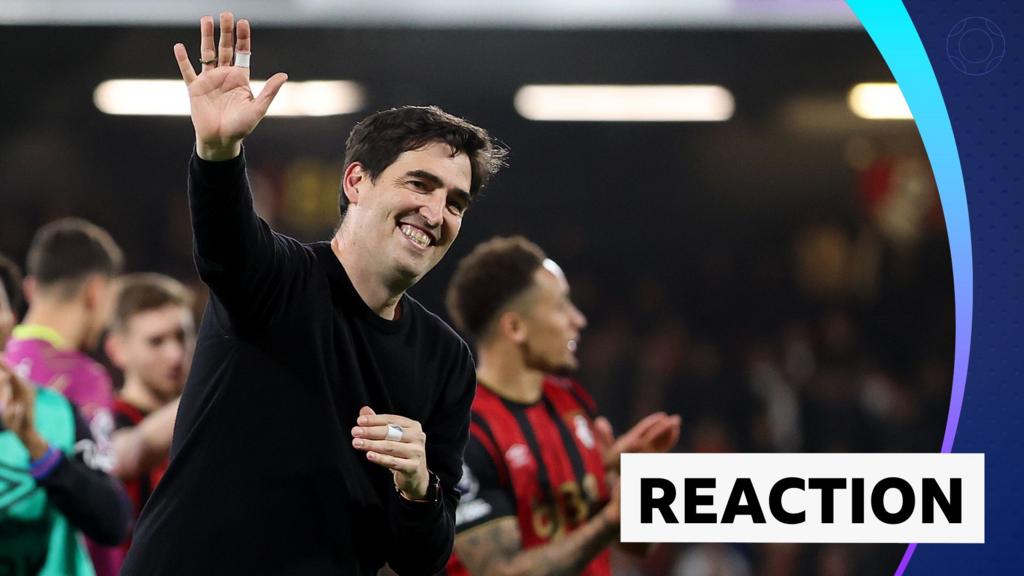
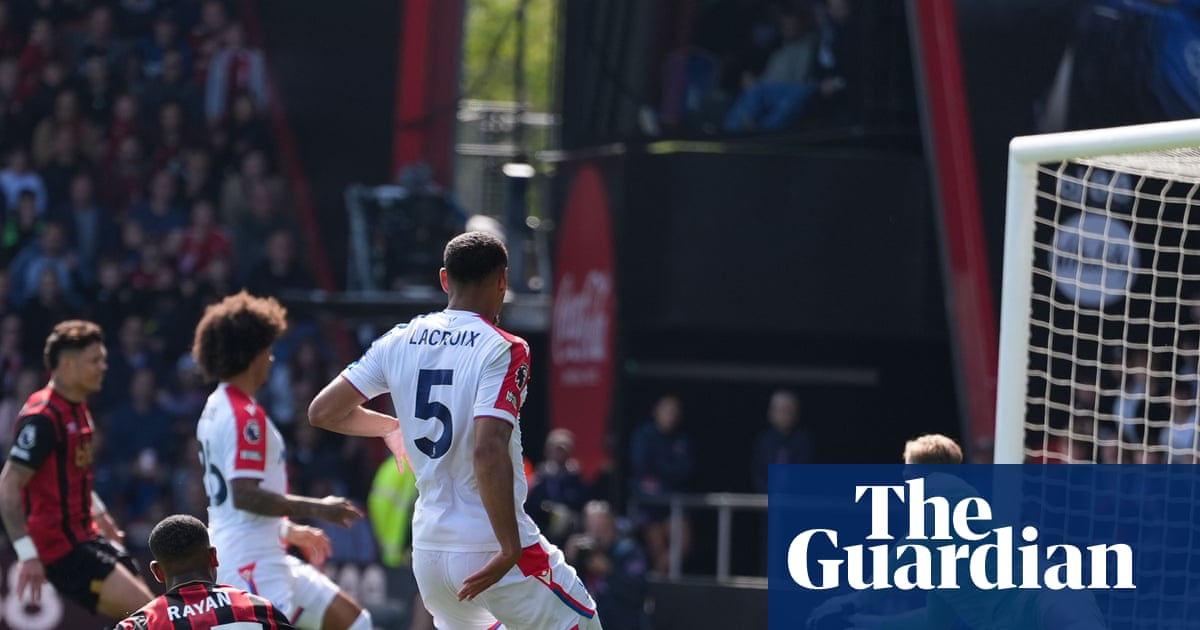
Bournemouth coasted past Crystal Palace to keep their improbable Champions League qualification dreams alive. It was a match essentially concluded before the halftime whistle. But the real story is what happens after the final whistle of the season.
As The Guardian reported today, the managerial reality is shifting abruptly:
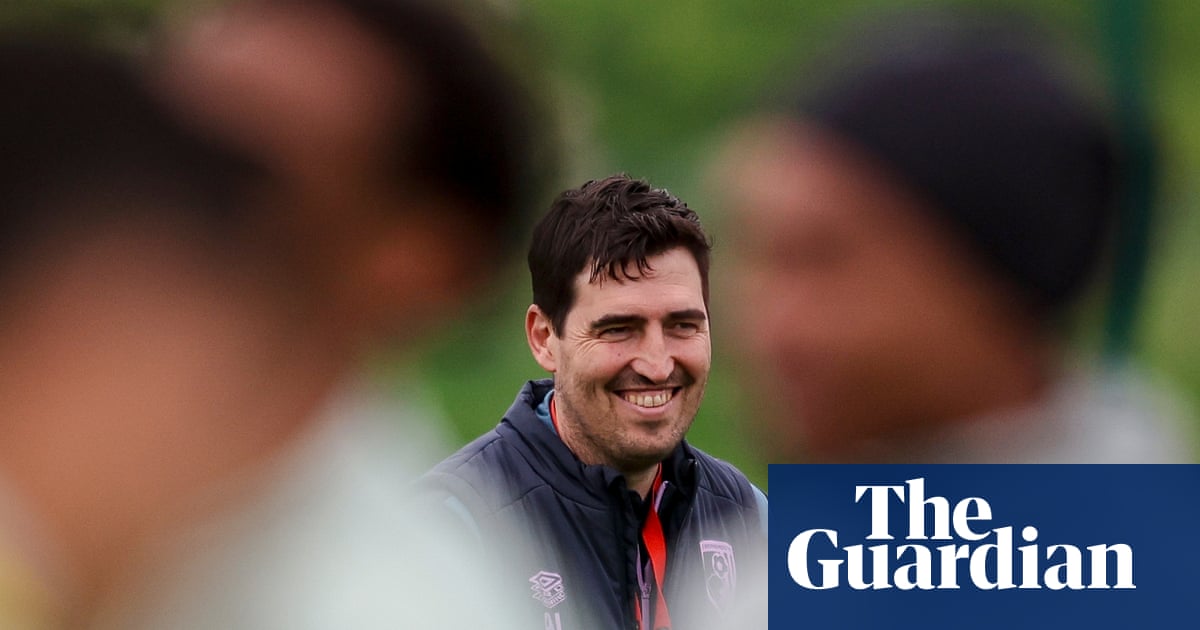
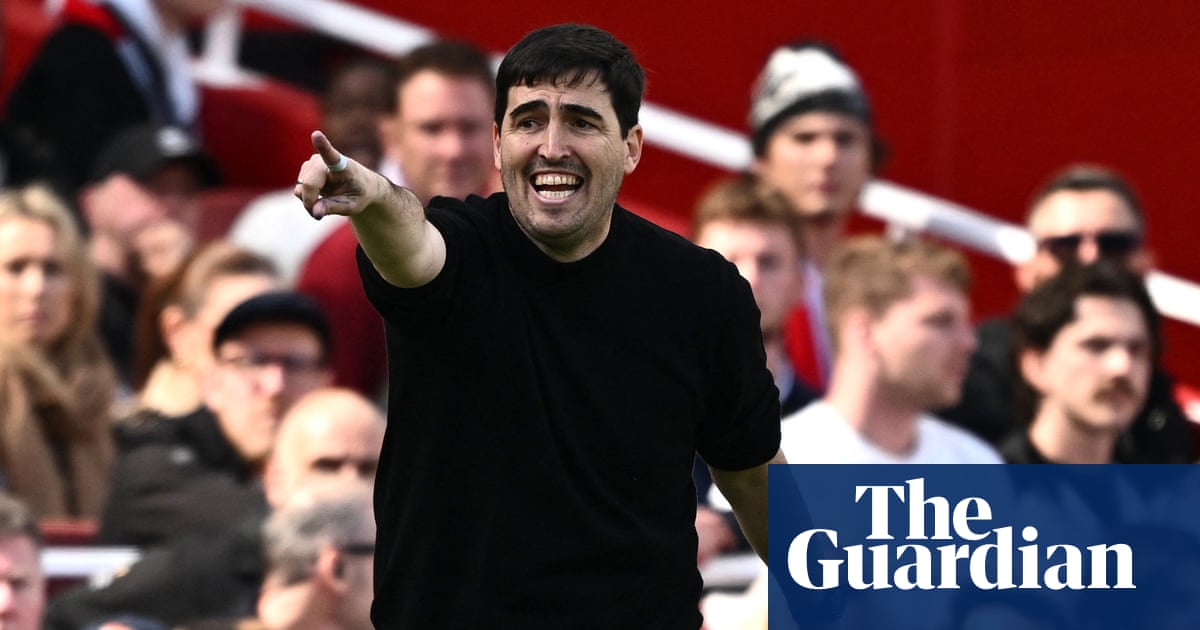
"By month’s end, Andoni Iraola and Oliver Glasner will depart their respective clubs. Having both taken their clubs into uncharted territory, neither’s task is yet complete."
As a fitness and medical analyst, watching these two teams clash is always an exercise in measuring human limits. Iraola and Glasner demand high-speed, anaerobic repetitions that push the boundaries of sports science. Their impending exits raise serious questions about the sustainability of such aggressive systems.
The Anatomy of the First-Half Blitz
Bournemouth won this game in the opening 45 minutes. From a physiological standpoint, this is a classic Iraola blueprint. The strategy relies on overwhelming the opposition's lactate threshold early. Bournemouth's players are conditioned to hit peak sprint speeds within the first quarter of the match.
Crystal Palace simply could not cope with the early intensity. When you analyze a team that secures a victory in the first half, you are often looking at a massive disparity in preparation and recovery. Late in a brutal season, muscle glycogen stores are depleted. The medical departments at both clubs have been working overtime to patch up hamstrings and manage load.
Bournemouth's medical staff timed this peaking phase perfectly. Palace, conversely, looked heavy-legged. Glasner's system relies heavily on the wing-backs shuttling continuously. When those players drop their top speed by even five percent, the entire structure collapses.
It is not just about distance covered. It is about the specific type of running. Iraola demands constant changes of direction, which places immense stress on the ACL and patellar tendons. Palace's center-backs were dragged out of position repeatedly, forced into reactionary sprints rather than proactive positioning.
What Happens When the Architect Leaves?
The departures of Iraola and Glasner present a terrifying challenge for the sports science departments at both clubs. A new manager means a new training methodology. Muscles that have adapted to Iraola's short, sharp pressing triggers will suddenly have to adapt to a different stimulus. This transition period is historically the highest risk window for soft-tissue injuries.
When a squad is tuned to play a specific way, unraveling that physical conditioning takes months. The incoming managers will inherit squads that are essentially specialized instruments. If the new Bournemouth boss attempts to implement a slow, possession-based game, the players' bodies will react poorly to the sudden drop in training intensity.
Conversely, if Palace brings in a manager who demands even more verticality, the risk of hamstring ruptures spikes aggressively. There are massive physical risk factors to consider during this transition:
- Sudden changes in weekly sprint distance loads.
- Alterations to recovery days and sleep cycles.
- New tactical triggers requiring different neuromuscular adaptations.
There is also the psychological burnout to consider. Playing for Iraola and Glasner requires a relentless mental focus. The central nervous system takes a battering when you are constantly calculating pressing traps and tracking runners. The physical fatigue is only half the battle; the neurological toll is immense.
The Burden of Champions League Football
For Bournemouth, the physical stakes are about to rise exponentially if they manage to cross the finish line and secure that spot. Elite European competition introduces the dreaded Wednesday-Saturday rhythm. For a squad built and conditioned for the standard Premier League cycle, adding high-intensity midweek fixtures across the continent requires a complete overhaul of recovery protocols.
The medical department will have to manage travel fatigue, sleep disruption, and the sheer physical trauma of playing top-tier opponents twice a week. The extra fixtures destroy the carefully planned micro-cycles of training. Recovery days replace tactical sessions. Someone has to manage the fallout.
The Looming Nightmare of the 2026 World Cup
The broader impact on the football calendar cannot be ignored. We are sitting in early May. The Champions League Final is set for May 28. But the real shadow hanging over every club medical department is the FIFA World Cup 2026, which kicks off on June 11. The expanded 48-team format guarantees more games, more travel, and less recovery time.
Players involved in this fixture will be jetting off to national team camps almost immediately after the season concludes. There is zero off-season. For the medical staff at Bournemouth, watching their players push their bodies to the absolute limit for Champions League qualification is terrifying. They know these athletes are running on fumes.
Glasner and Iraola leaving means the incoming regimes will have no control over their players' summer conditioning. They will inherit exhausted squads in mid-July. The physical toll of this Premier League campaign, combined with a brutal summer tournament across multiple time zones, is a recipe for a catastrophic injury crisis next autumn. Medical directors are already drawing up contingency plans.
Evaluating the Medical Legacy
You have to respect what both medical departments have achieved this year. Keeping squads fit enough to play this brand of football deep into May is a monumental task. The injury prevention protocols, the sleep tracking, the carefully calibrated cryotherapy sessions—all of it had to be perfect to keep these Champions League dreams alive for Bournemouth.
Palace's medical team under Glasner has similarly managed to keep a high-output squad relatively functional. But the cracks are showing. The ease with which Bournemouth bypassed them in the first half suggests a team that has finally hit the physical wall. You can only redline an engine for so long before the gaskets blow. Glasner's departure might actually save some of these players from long-term chronic issues.
This match was a fascinating case study in end-of-season fitness disparity. One team had just enough fuel left in the tank to execute a flawless tactical plan. The other looked completely drained, victims of their own demanding schedule. It was a stark reminder that football matches in May are often decided by the work done in the recovery rooms back in November.
Looking Ahead to the Transition
As the month draws to a close, the focus shifts from the pitch to the boardroom. Replacing managers like Iraola and Glasner is not just a tactical decision. It is a sports science decision. The boards at Bournemouth and Crystal Palace need to consult their medical directors before appointing successors.
If they get the appointments wrong, the medical rooms will be overflowing by October. History shows us that drastic shifts in training periodization lead directly to treatment table crises. For now, Bournemouth marches on, defying the odds and the physical limitations of a grueling season. Their Champions League pursuit is still alive, fueled by a sports science department that deserves enormous credit. But the bill always comes due, and the impending summer will demand a heavy physical tax.