Fernandes silences the critics with a cold, hard assist record
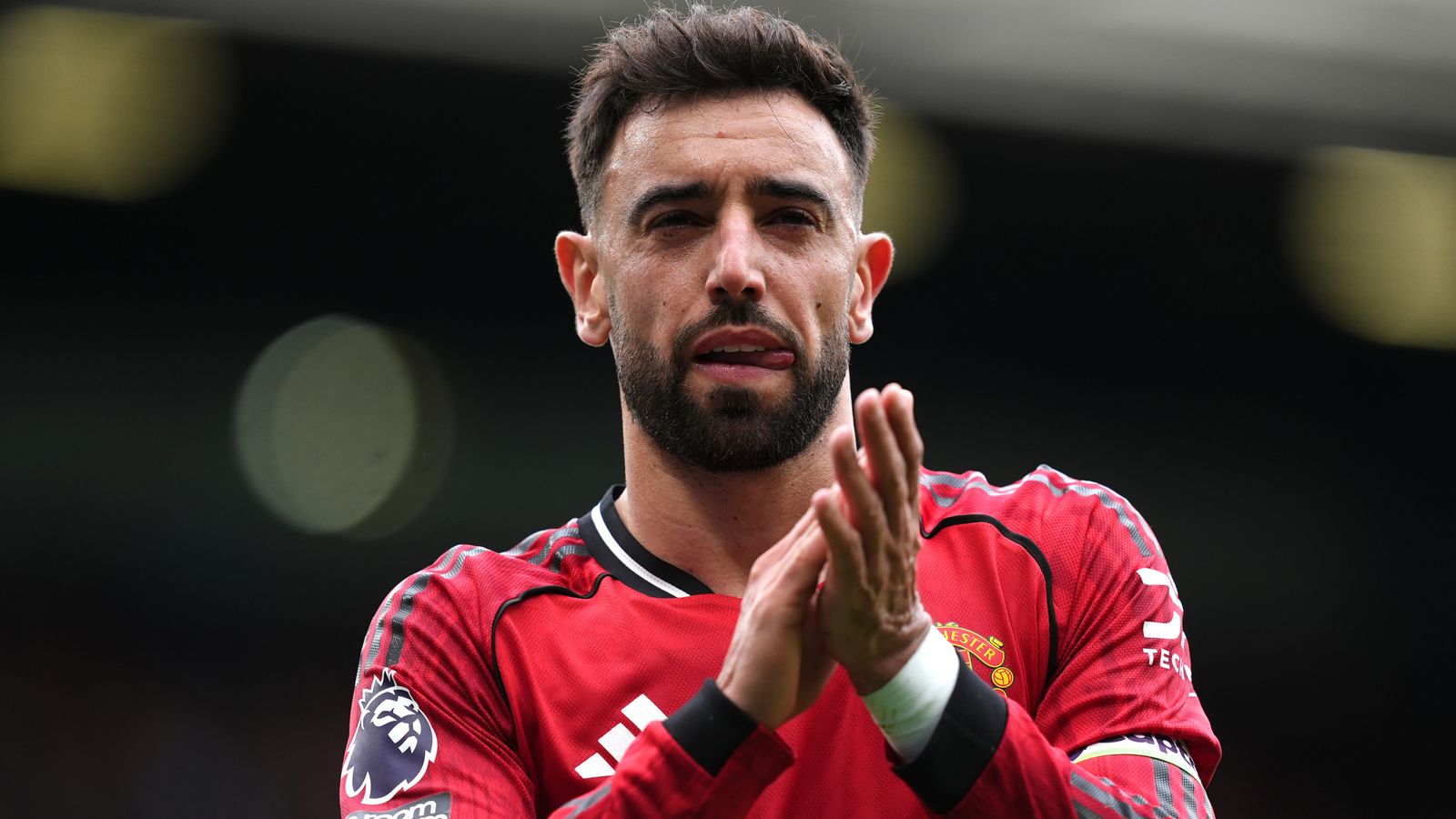
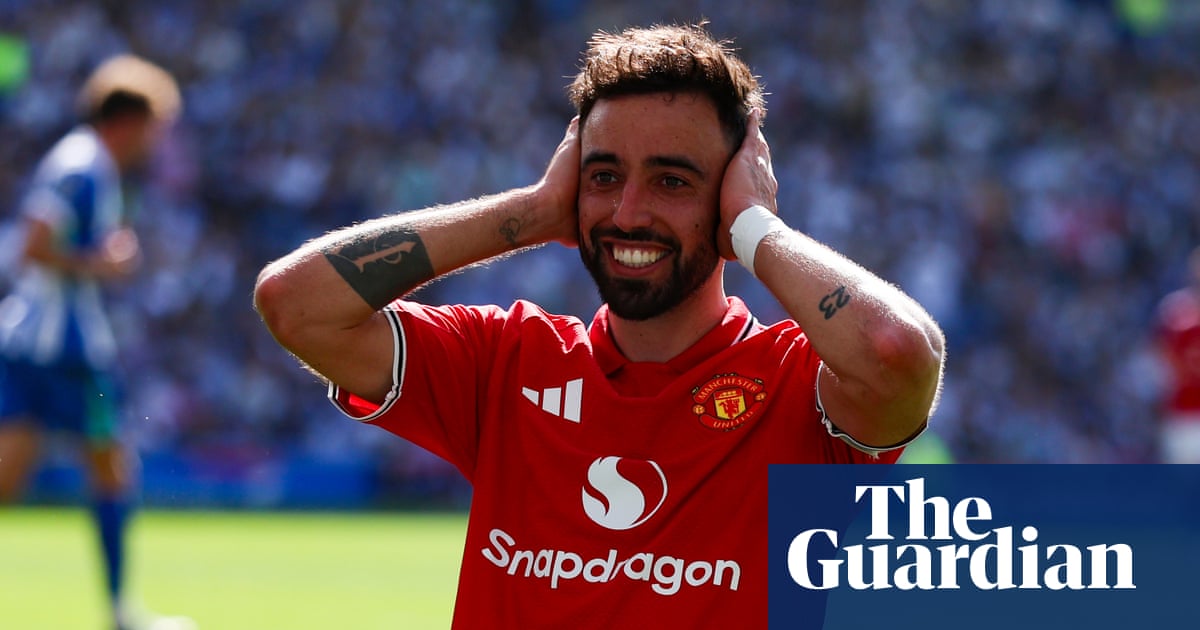
Bruno Fernandes concluded his 2026 campaign by securing an outright Premier League record, notching his 21st assist of the season during the clash against Brighton last Sunday. Despite the digital noise surrounding his leadership style, the production remains elite. This figure eclipses the previous benchmark that had stood as the gold standard for creative output.
Yet, the statistical output hasn't quelled the scrutiny. Roy Keane, a staple of modern punditry, has publicly fixated on Fernandes’s internal motivations, claiming the midfielder was actively chasing metrics over team performance. Fernandes, in an uncharacteristically sharp retort as reported by The Guardian, openly called these claims a lie, and even attempted to secure Keane’s contact info to hash out the feud privately.
The data gap in United’s leadership critique
Keane’s long-standing grievance centers on body language and captaincy, but the data tells a story of a player nearing peak utility. While Keane labels his behavior as distracting, Fernandes has provided 21 points of direct offensive contribution in the league alone. It is a striking mismatch; one side relies on subjective optics, the other on objective delivery.
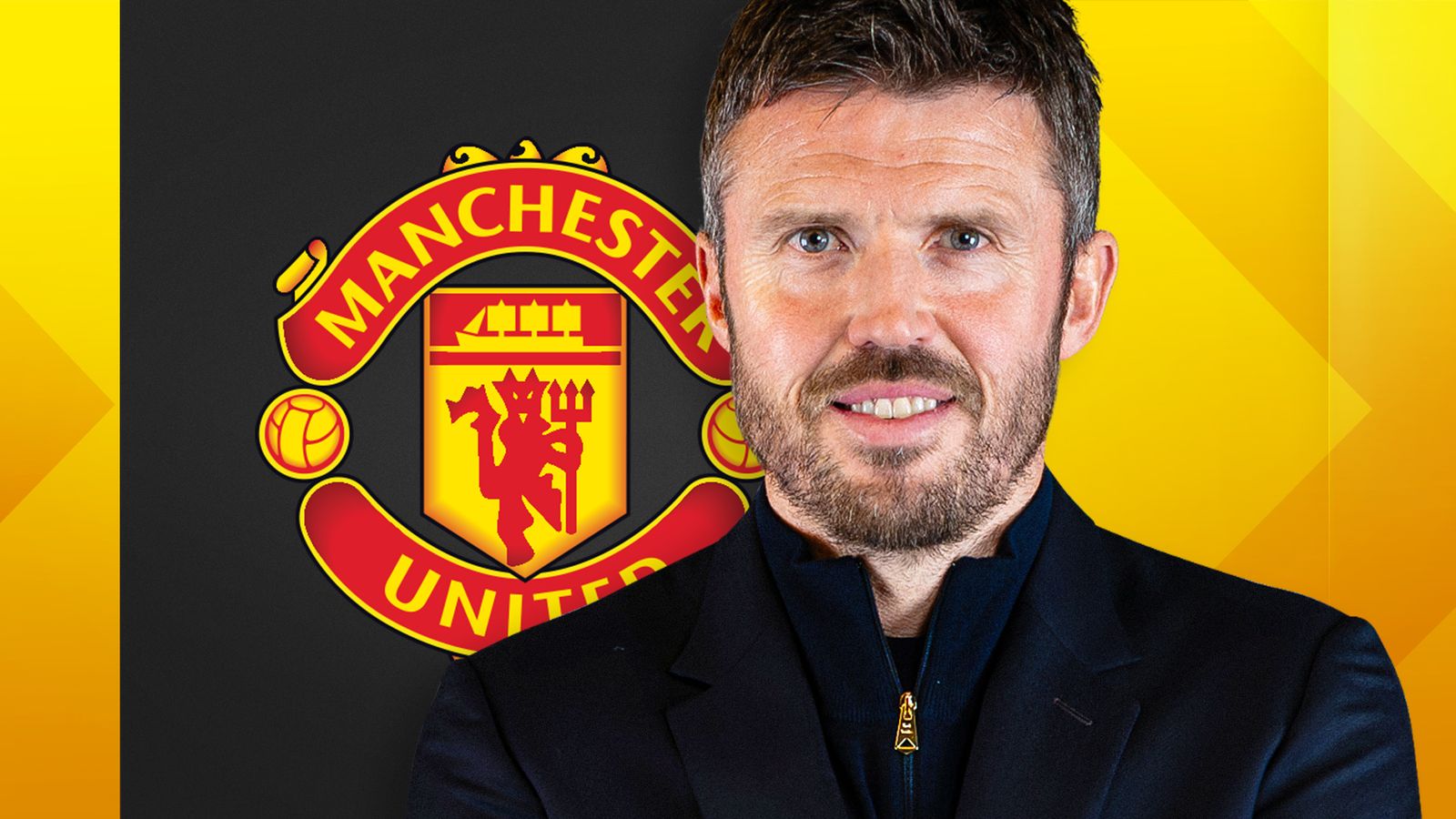
This friction comes at a delicate moment for the club. With Michael Carrick stepping into the rebuilding process this summer, the tactical outlook is shifting. Speculation suggests the front office is looking at a £90m outlay for a potential midfield overhaul, implying a pivot away from the current reliance on the Fernandes-centric creative hub.
Why the 'donkey' rhetoric misses the mark
The back-and-forth has devolved into social media pantomime, with Keane reportedly deploying a 'donkey' jibe on his Instagram feed. It is a redundant critique that ignores the tactical reality: United’s attack is functionally dead without his final-third entries. A £74m forward line target is being discussed, yet without the distribution metrics Fernandes currently provides, those signings risk being starved of service.
The tension reveals a wider truth about modern Manchester United. The club is trapped between an obsession with the iron-willed standards of the 1999 era and the actual physical output required in 2026. Keane is leaning into a brand of nostalgia that simply doesn't align with the assist-per-game metrics Fernandes produces.
Ultimately, Fernandes is playing for a future under Carrick, while Keane is playing for the engagement metrics of the punditry industry. The 21 assists are real. The cryptic posts are not. The club faces a critical decision: listen to the analyst living in the past, or bank on the producer who—despite the attitude concerns—is objectively the most efficient engine in the squad.
Read Next
- Bruno Fernandes and Roy Keane clash over record-breaking claims
- Michael Carrick has a massive Bruno Fernandes dilemma this summer
- Arsenal's transfer window looks like a classic Mikel Arteta fever dream
- Liverpool fans are losing their minds over the summer fire sale
- 🇵🇹 Portugal World Cup 2026 — A Seleção Hub