The Twenty-Assist Milestone at Old Trafford
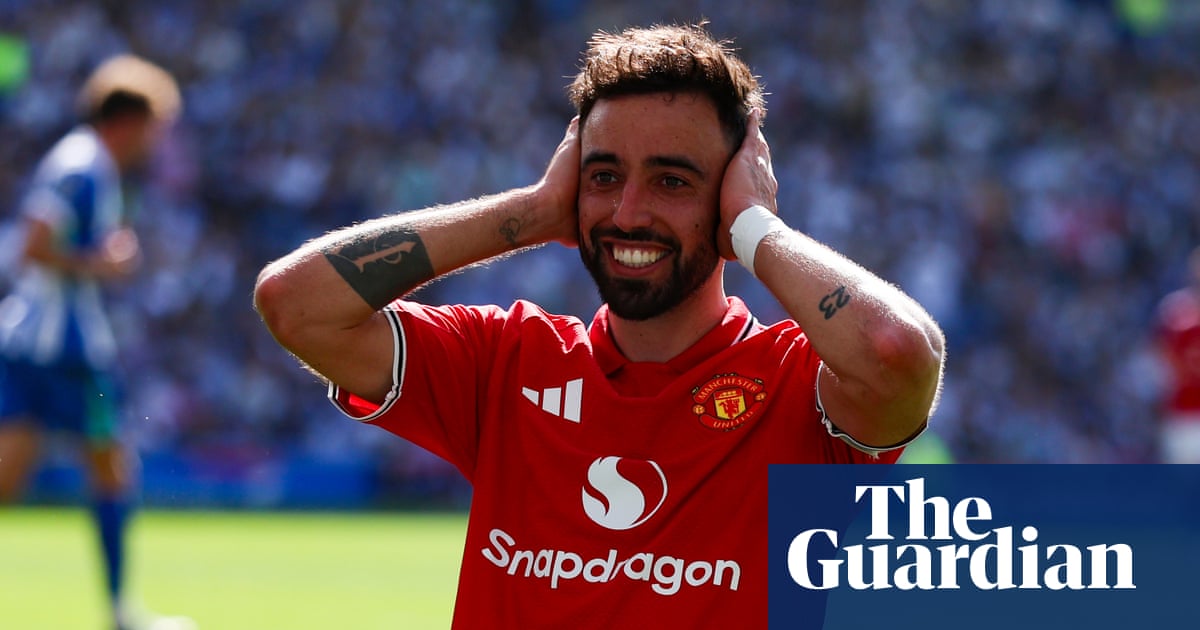
Twenty assists in a single Premier League campaign is the gold standard for creative playmakers. Only Thierry Henry in the 2002/03 season and Kevin De Bruyne in the 2019/20 campaign have ever reached this statistical peak. Yesterday, Bruno Fernandes officially joined them on that mountaintop after matching this legendary record.
The achievement is staggering when you consider that Fernandes is responsible for more than thirty-four percent of United's 58 league goals. Henry’s Arsenal scored 85 goals in their record campaign, while De Bruyne’s City got 102. Without his carrying job, United would be in the bottom half of the table rather than celebrating Champions League qualification.
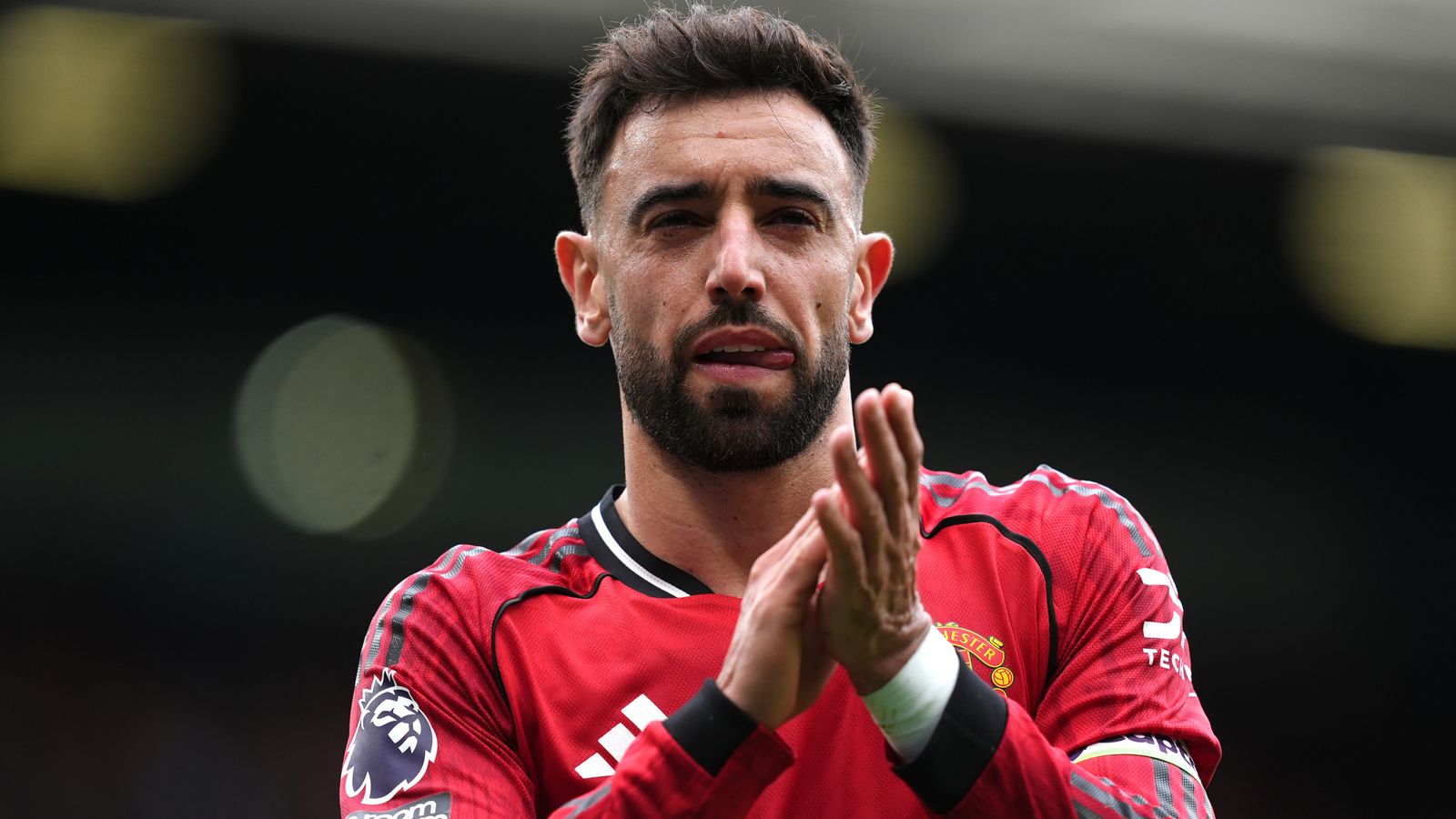
Tomorrow at the Amex Stadium against Brighton, Fernandes has 90 minutes to claim the record outright. A single assist on the final afternoon of the campaign will place him at 21, breaking a tie that has stood for years. The Portuguese midfielder has already secured the FWA Footballer of the Year award, cementing his place in Old Trafford history.
He becomes the seventh Manchester United player to win the award, joining legends like Peter Schmeichel, Dwight Yorke, Ruud van Nistelrooy, Cristiano Ronaldo, and Wayne Rooney. It is the first time a United player has claimed the trophy since Nemanja Matic was honoured in the 2010/11 campaign. This ends a fifteen-year drought for the club.
The Playmaking Mechanics: How Fernandes Broke the Stats
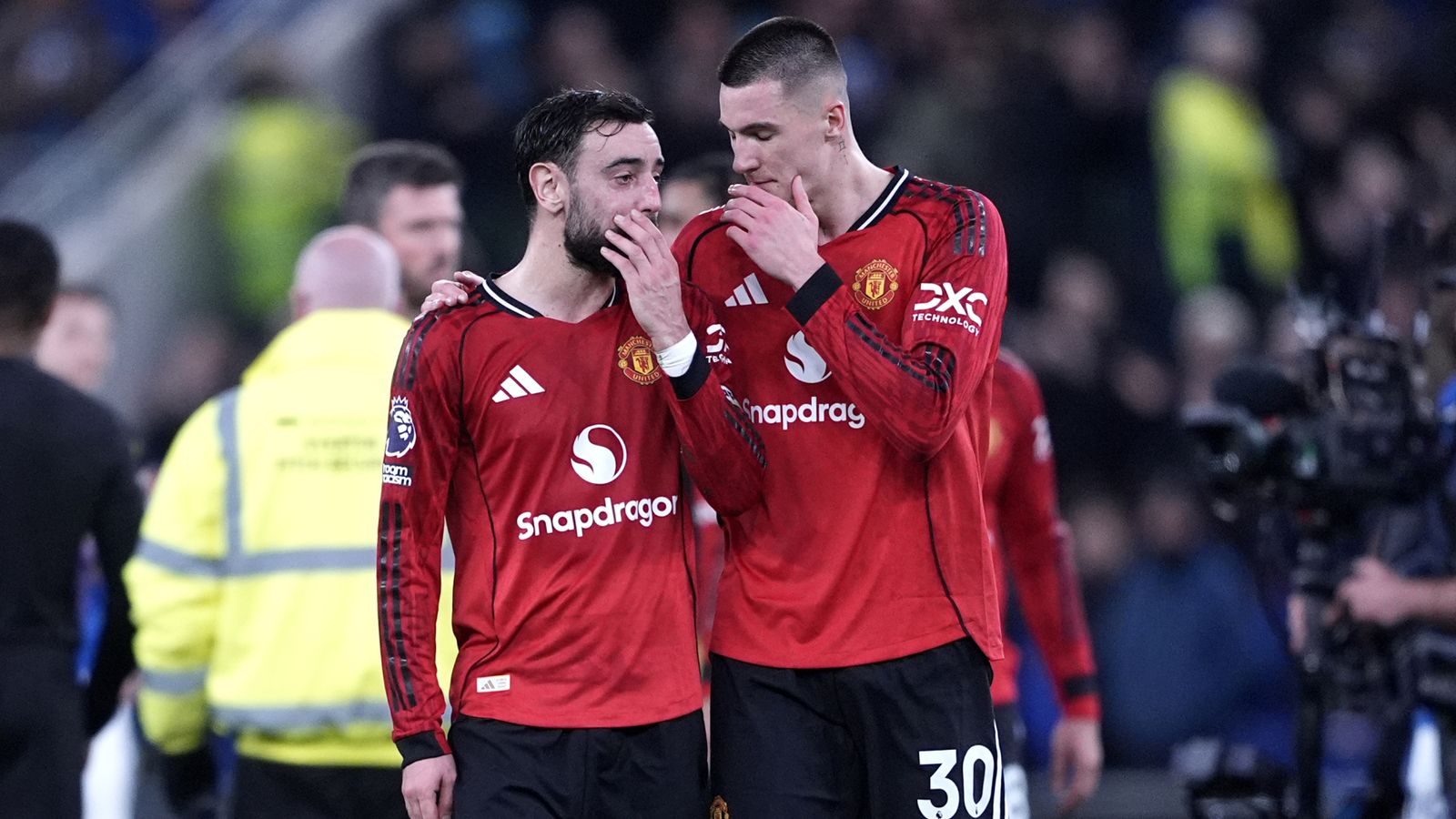
According to Sky Sports, the captain averaged a career-high 3.4 key passes per ninety minutes. He created 18 big chances, converting those opportunities into assists at an incredibly efficient rate. His partnership with Rasmus Hojlund and Alejandro Garnacho blossomed as both forwards benefited from his line-breaking service.
Comparing his underlying numbers to Kevin De Bruyne's 2019/20 season reveals a fascinating tactical divergence. While De Bruyne operated in Pep Guardiola's highly structured possession system, Fernandes had to create in Michael Carrick's fluid transitional model. The Portuguese midfielder completed 82 progressive passes from his own half, illustrating his role as both the builder and executioner of United's attack.
The Final Nominees He Left Behind
The strength of Fernandes' achievement is reflected in the caliber of the nominees he defeated. He beat out a formidable Arsenal trio — David Raya, Gabriel, and Declan Rice — who dominated the league with their defensive resilience. This list highlights the elite level of competition Fernandes had to overcome.
- Erling Haaland, who is currently on course to win a third consecutive Golden Boot with 27 goals for Manchester City.
- Antoine Semenyo, whose explosive wing play drove City's title charge alongside Haaland.
- Morgan Gibbs-White of Nottingham Forest and Brentford striker Igor Thiago, who both enjoyed standout campaigns for their respective clubs.
Beating out three players from the league's best defense and a 27-goal striker requires a truly historic individual campaign. The voting panel clearly valued Fernandes' singular importance to his team's offensive structure. While Arsenal and City functioned as well-oiled collective machines, United was a one-man creative engine.
The Dark Side of the Twenty-Assist Campaign
No analytical breakdown of Fernandes' season is complete without addressing the glaring flaws in his game. While twenty assists is a historic tally, the captain managed only eight goals in the league this year. This is his lowest goalscoring return in a full Premier League season since his arrival in Manchester.
His non-penalty goal conversion rate plummeted to a career-low 6.8 percent, as he repeatedly squandered scoring opportunities. His eagerness to play the final pass often came at the expense of his own goalscoring threat. He sacrificed personal glory for playmaking volume.
There is also the issue of possession loss. Fernandes lost possession an average of 22 times per match, the highest frequency among all attacking midfielders in the top flight. Opponents targeted this high-risk passing style, using his turnovers to spark rapid transitions against a vulnerable United backline.
This erratic distribution is the price United pays for his creative genius. Carrick has spent the last month trying to refine Fernandes' decision-making, urging him to value retention over immediate progression. But stripping away that risk-taking nature would destroy the very quality that makes him special.
Nico O'Reilly and the Rise of the City Utility
While Fernandes took the senior honours, the blue half of Manchester celebrated a historic breakthrough. Nico O'Reilly was named the Premier League Young Player of the Season, capping a remarkable rise from the Etihad academy. The 21-year-old made 34 appearances for Pep Guardiola's side, establishing himself as a vital piece of their tactical puzzle.
Under Guardiola, academy graduates rarely earn consistent minutes without a lengthy apprenticeship. O'Reilly bypassed this waiting period by playing across multiple positions, including left-back and central midfield. He recorded five goals and three assists, but his impact extended far beyond those modest numbers.
O'Reilly proved to be a big-game player, scoring both goals in City's Carabao Cup final victory over Arsenal. He also started in the FA Cup final win against Chelsea and earned a senior England call-up in November. He has now been named in Thomas Tuchel's World Cup squad for the tournament starting in 19 days.
A Controversial Selection Over Roster Rivals
O'Reilly's victory has sparked intense debate among tactical analysts who question whether his output justified the award. Beating out teammate Rayan Cherki and United's Kobbie Mainoo was highly controversial, given Mainoo carried a far heavier defensive burden. Critics point out that five goals and three assists in a dominant City side is a relatively standard return.
Other nominees like Lewis Hall at Newcastle and Eli Junior Kroupi also enjoyed seasons with higher individual statistical peaks. The decision to honour O'Reilly feels like a vote for City's collective success rather than his individual superiority. He benefited immensely from City's seventy percent possession stats, which hid his defensive deficiencies at left-back.
When deployed at left-back against elite wingers, O'Reilly was frequently exposed. Bukayo Saka tormented him in their October clash, exposing his lack of natural defensive recovery speed. While his versatility is an asset, he remains an incomplete defender who has yet to master a single position.
What the Numbers Tell Us About the Future
The individual awards for Fernandes and O'Reilly represent two different paths in modern football. Fernandes is the classic talisman, a high-volume creator who carries the entire weight of a historic club. O'Reilly is the modern system player, a versatile utility tool polished in an elite academy to fit perfectly into a manager's tactical machine.
For United, the challenge is to build a midfield that does not rely entirely on Fernandes' high-risk passing. The impending arrival of Ederson from Atalanta for a reported £43million could provide the defensive stability needed to balance his turnovers. If Carrick can pair Fernandes with a disciplined destroyer, the captain will be free to operate closer to the opposition box, potentially restoring his goalscoring numbers next term.
For City, the task is to define O'Reilly's long-term position. Guardiola cannot keep shifting him between left-back and midfield if he is to develop into a world-class talent. As the World Cup approaches, both award winners face defining moments that will shape their careers on the international stage.
Read Next
- Nico O'Reilly's Young Player of the Season award has divided the internet
- Why Man United fans are already split on the Ederson transfer rumors
- Man United chasing Ederson is the most confusing transfer move of the summer
- The Old Trafford Conundrum: Can Carrick Turn the Tide?
- 🇵🇹 Portugal World Cup 2026 — A Seleção Hub