The Whispers Grow Louder: Carrick and the United Hot Seat
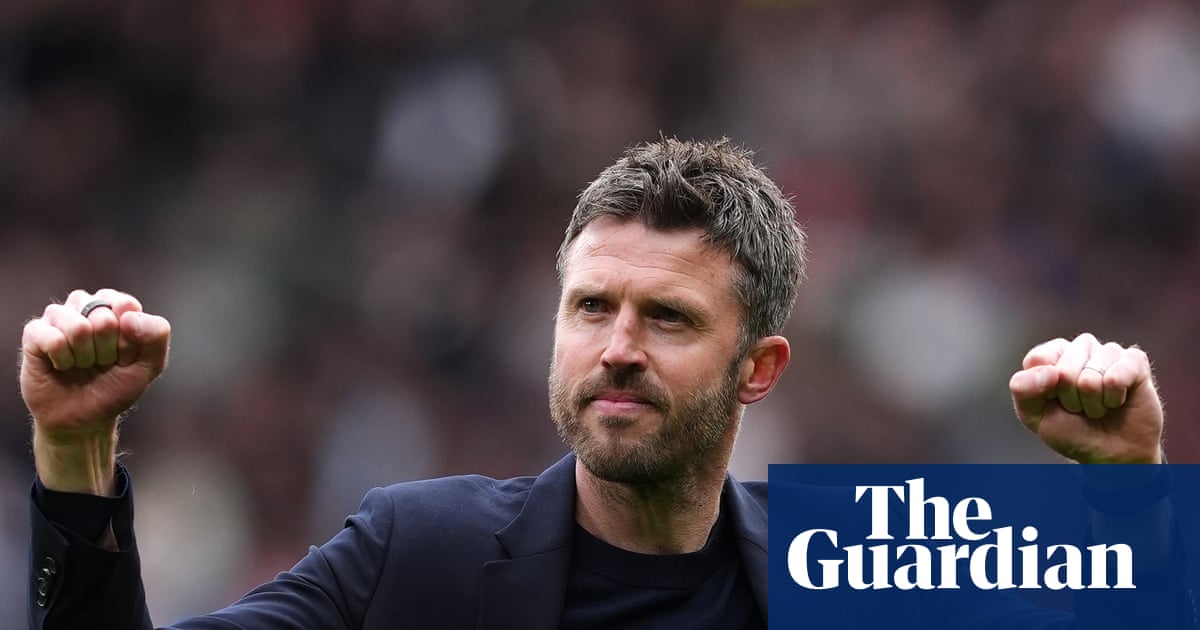
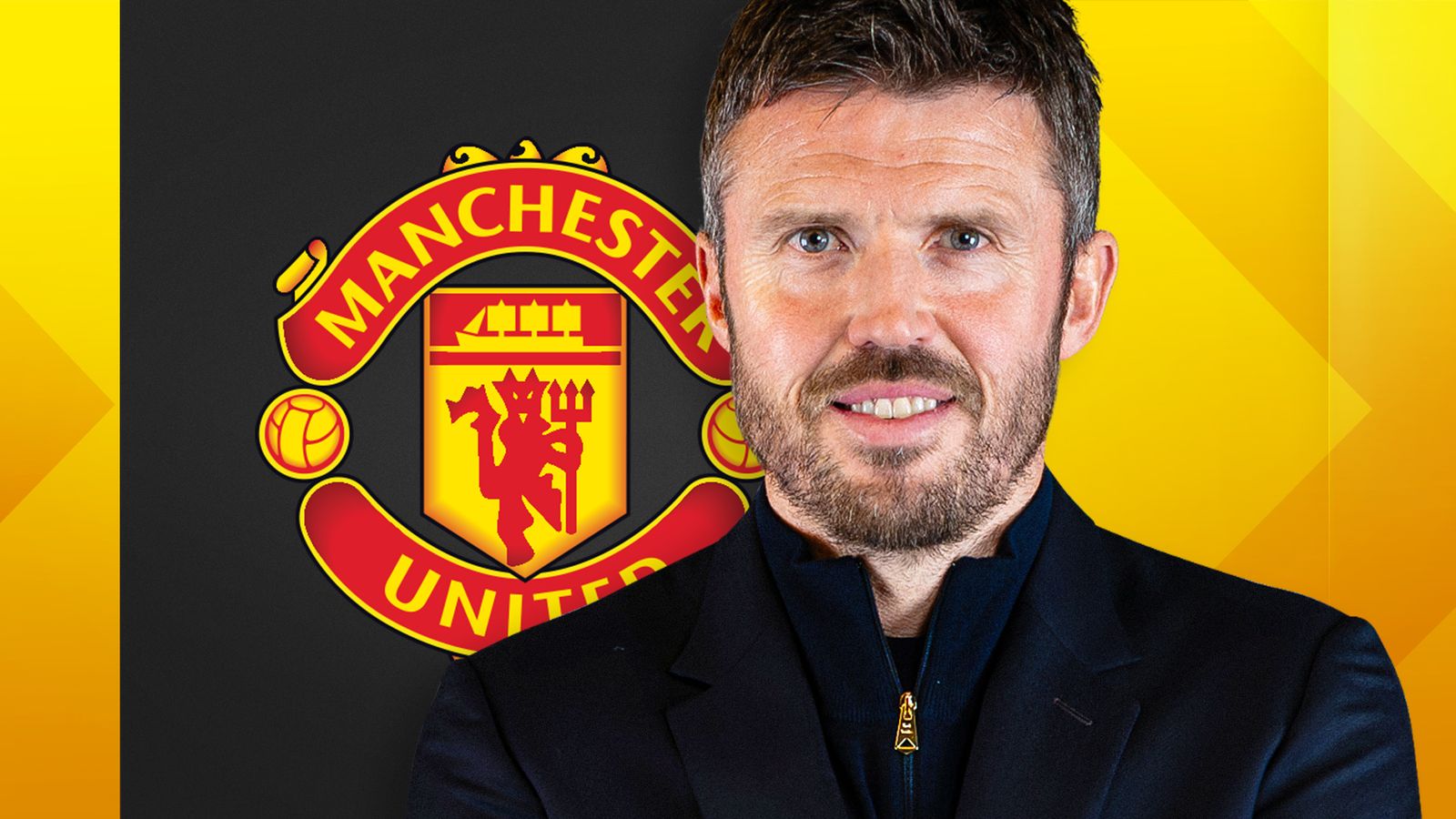
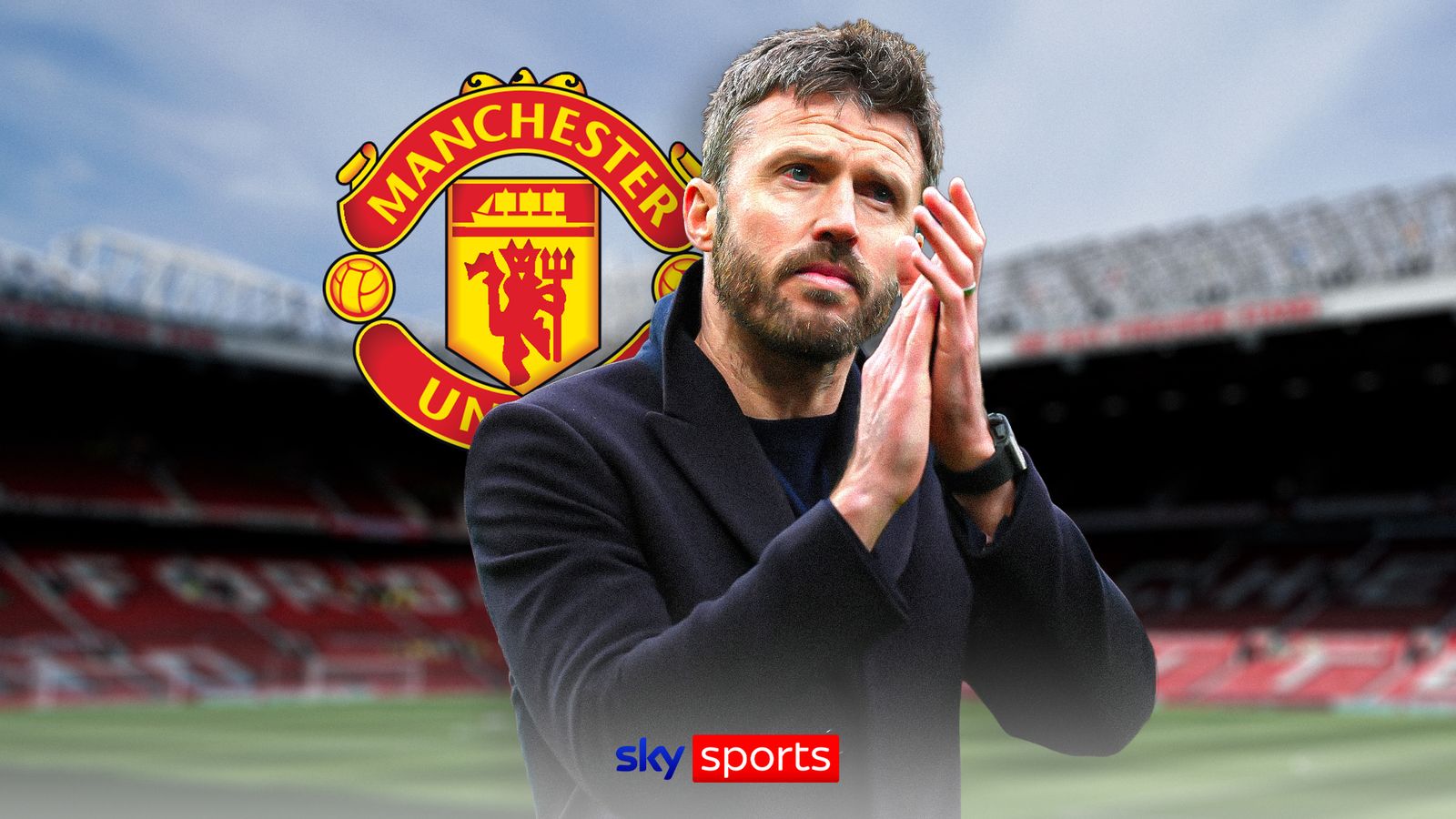
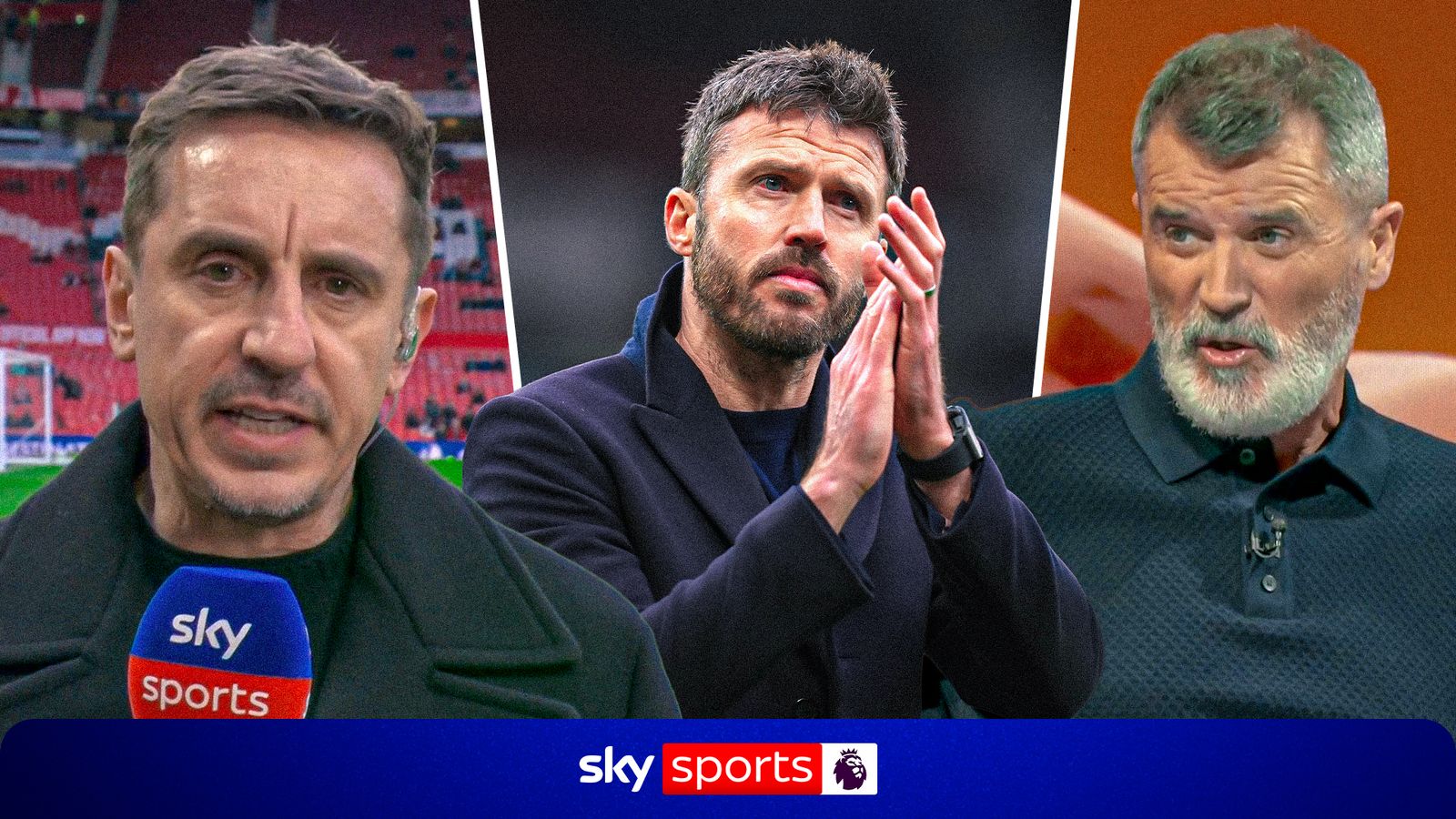
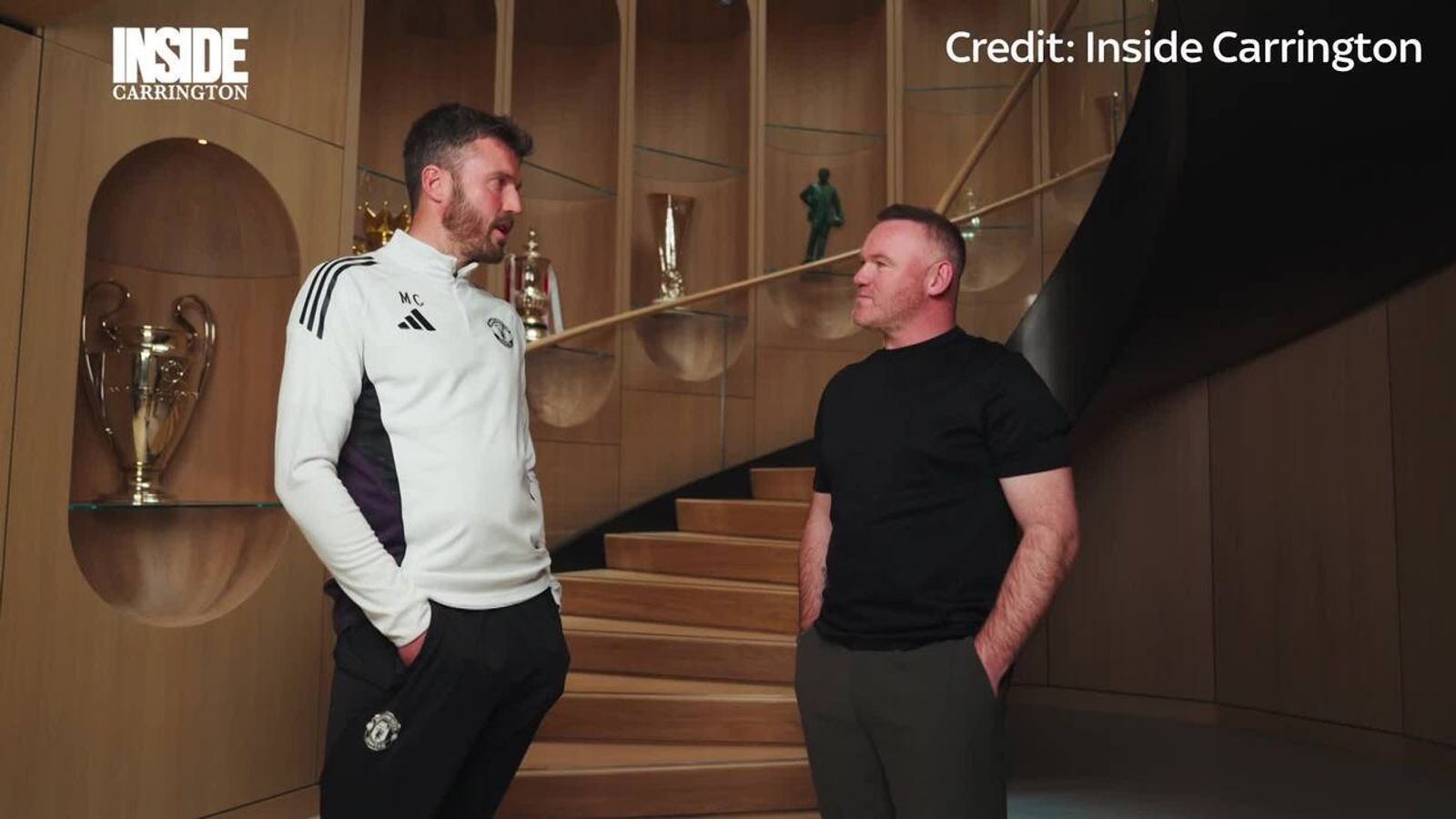
The football world rarely stands still, and at Manchester United, the managerial merry-go-round seems to spin with an almost hypnotic regularity. The latest turn of the rumor mill brings a familiar name back into sharp focus: Michael Carrick. A recent Sky Sports piece, tantalizingly titled "Rooney interviews Carrick: From Barbados beach to Man Utd boss!" has ignited a fresh wave of speculation. This isn't just another casual chat; when two club legends, particularly Wayne Rooney, engage in such a public discussion about the top job, it carries weight. It suggests a serious conversation, a consideration of a path that many United faithful have long hoped for, even if some harbor reservations.
The "Barbados beach" motif in the article's title is more than just a picturesque setting; it hints at a journey, a period of contemplation, and perhaps a deliberate step back from the immediate pressures of the Premier League furnace to gain perspective. Carrick's post-playing career has been a measured ascent, from assistant coach under various regimes at United to his current role managing Middlesbrough. This interview with Rooney, however, elevates the conversation. It thrusts Carrick directly into the spotlight for the role many see as the ultimate poisoned chalice in English football – the manager of Manchester United.
A Familiar Face, A New Challenge
Michael Carrick's pedigree at Old Trafford is beyond question. As a player, he was the quiet architect of arguably United's last truly dominant era under Sir Alex Ferguson. His ability to dictate tempo, shield the defense, and initiate attacks made him indispensable. He understood the club's values, its demanding standards, and the unique pressure cooker that is the Theatre of Dreams. Transitioning into coaching, he spent time under José Mourinho, Ole Gunnar Solskjær, and Ralf Rangnick, absorbing different philosophies and experiencing the club's post-Ferguson turbulence from the inside.
His brief interim stint in charge following Solskjær's departure offered a glimpse into his capabilities. Three games, two wins, one draw – a steady hand in a chaotic period, culminating in a crucial away victory at Villarreal in the Champions League. It was a short sample size, but it demonstrated an ability to instill calm and organize a disjointed squad. He earned respect, not just for his playing legacy, but for his composed demeanor and clear tactical instructions. The experience at Middlesbrough, where he has navigated the challenging waters of the Championship, has further solidified his reputation as a thoughtful and promising young manager, far removed from the 'Barbados beach' of reflection.
The Weight of Expectations: Can He Deliver?
However, managing Middlesbrough in the Championship, while a commendable achievement, is a world apart from the relentless scrutiny and gargantuan expectations at Manchester United. The club, for over a decade, has grappled with an identity crisis, cycling through managers with alarming frequency. Each new appointment brings renewed hope, quickly followed by the familiar cycle of disappointment. United demands not just wins, but a specific brand of attacking, dominant football that has been largely absent. The weight of history, the shadow of Ferguson, and the impatient global fanbase are unique burdens no other club can replicate.
A Carrick appointment would inevitably come with questions about his ability to navigate the cut-throat Premier League transfer market, where United have often floundered despite significant investment. Can he attract top-tier talent? Will he have the final say on recruitment? And crucially, can he build a cohesive squad that reflects a clear tactical vision, rather than a collection of expensive individuals? These are hurdles that have tripped up far more experienced managers at the club, and Carrick, for all his United DNA, would face them head-on, under a microscope far more powerful than anything he has encountered before.
Tactical Vision and Identity: What Would a Carrick United Look Like?
From his playing days, Carrick was renowned for his intelligence and control in midfield. His coaching tenure at Middlesbrough has shown glimpses of a manager who values possession, intelligent movement, and disciplined defensive structures. It's a pragmatic approach, often built on solidity before flair, but with the intent to progress the ball through midfield. A Carrick United would likely prioritize control and positional play, aiming to dominate the ball and reduce transitional chaos. This would be a stark contrast to some of the more frenetic, counter-attacking styles seen at Old Trafford in recent years.
His understanding of player psychology, honed during a long playing career at the highest level, could be a significant asset. He knows what it takes to perform under pressure and how to manage the egos that come with a superstar dressing room. Developing young talent, a cornerstone of United's philosophy, would likely be central to his project, given his own path through the ranks. However, translating a Championship philosophy to the Champions League stage, and doing so consistently against Europe's elite, remains the ultimate litmus test.
The Rooney Factor: A Stamp of Approval?
The mere fact that Wayne Rooney is conducting this interview is a storyline in itself. Rooney, another colossal figure in United's recent history, would not lend his platform to a frivolous discussion. His involvement signals a level of respect and perhaps even an endorsement for Carrick's potential candidacy. It implies an insider's view, a conversation between peers who share a profound understanding of what it means to represent Manchester United. It adds a layer of legitimacy to the speculation, moving it beyond mere fan chatter to a topic discussed among the club's modern-day legends.
This 'stamp of approval' from Rooney, however subtle, could be pivotal. In a club often criticized for lacking a clear direction or a strong sense of continuity, the presence of former players in significant roles, particularly one chosen and supported by their peers, could resonate positively with the fanbase. It could be interpreted as a return to the club's roots, a reaffirmation of its core identity. But the ultimate responsibility, and the ultimate pressure, would still rest squarely on Carrick's shoulders, regardless of who backs him.
The Critical Lens: Is It Too Soon for Carrick?
While the romantic notion of a former player returning to lead the club they graced is powerful, it's essential to cast a critical eye on the timing and the potential pitfalls. Michael Carrick, for all his potential, lacks the extensive, proven track record of managing a top-tier club for a sustained period. The jump from Championship to the intense cauldron of Manchester United, with its global pressures, commercial demands, and immediate need for success, is monumental. Is the club truly ready to take a chance on a relatively unproven manager, when a single misstep can set the project back years?
The club's recent history suggests a preference for either established 'super-managers' or those with a clear, successful philosophy honed elsewhere. Handing the reins to Carrick, while appealing sentimentally, could be seen by some as a gamble, particularly if there are more experienced alternatives available. There is a very real risk that if the project fails, it could tarnish Carrick's legacy at the club, a fate few United fans would wish upon one of their own. The demands at United are unforgiving, and patience is a commodity in extremely short supply, a factor that weighs heavily on any manager, let alone one still forging their managerial identity.
The Road Ahead: A Summer of Decisions
As the football calendar turns towards the summer, the speculation around Manchester United's managerial position will only intensify. The Rooney-Carrick interview has thrown a significant wrench into the discussion, making the prospect of Carrick as the next United boss feel more tangible than ever. It's a move that would represent a bold statement, a commitment to a manager steeped in the club's tradition, but also a leap of faith given the club's current standing. The coming weeks will be filled with whispers, analyses, and endless debates among fans and pundits alike. The decision, when it comes, will set the trajectory for one of football's biggest institutions for years to come.
Prediction: While the romantic in many United fans would embrace it, the current climate at Old Trafford demands a manager with a more extensive, undeniable track record of success at the very top. I predict that Manchester United will ultimately opt for an established manager, choosing experience over sentiment for the immediate challenge ahead, and Carrick will continue to hone his craft elsewhere. The interview is a nod to his future, but not his immediate present at Old Trafford.
Read Next