The injury spark in Florida
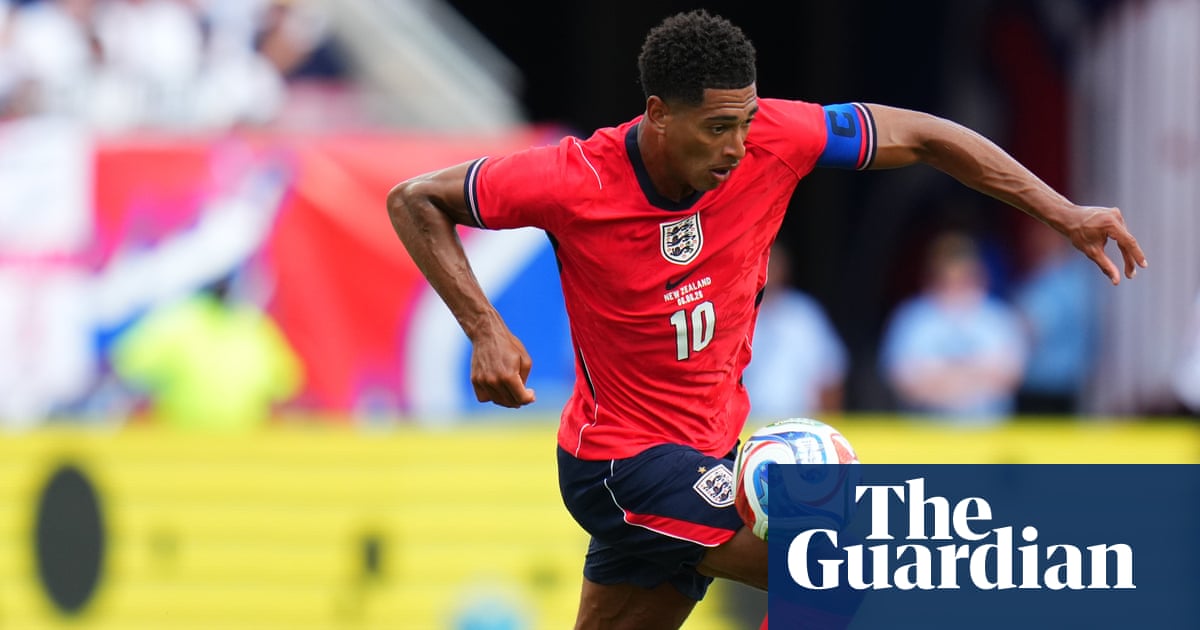
England’s final preparation for the 2026 FIFA World Cup took a nervous turn in Tampa, Florida, as Harry Kane became the focus of medical scrutiny following the pre-tournament friendly against New Zealand. While the Three Lions secured a narrow victory, the final minutes of the match saw the captain retreat to the tunnel with clear physical discomfort.
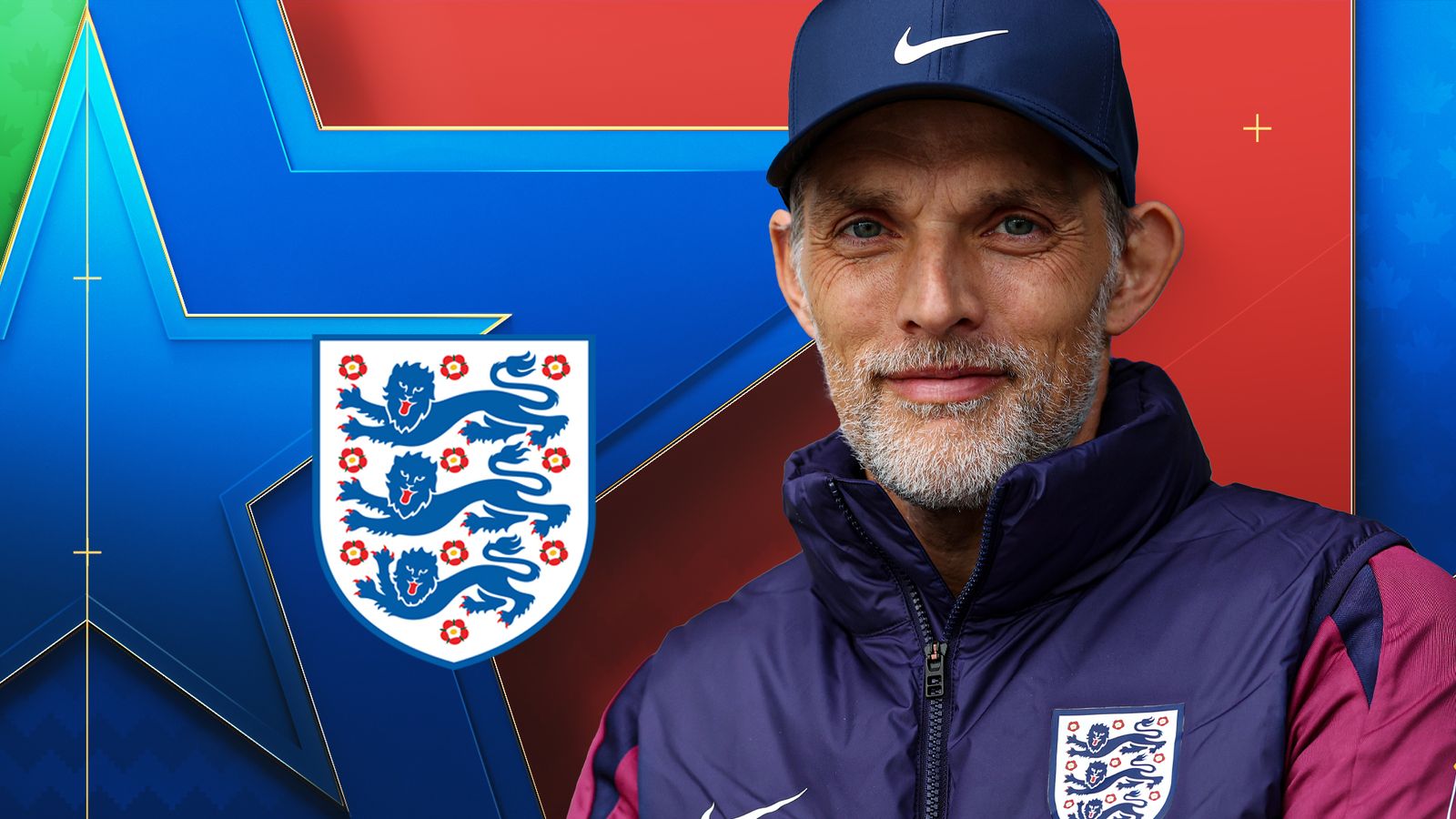
Thomas Tuchel’s side edged past New Zealand in a contest designed to sharpen match fitness ahead of the upcoming tournament kickoff on June 11. However, the result was immediately overshadowed by the sight of Kane limping off the pitch. Medical staff remained tight-lipped in the immediate aftermath, though the severity of the gait disturbance suggested an impact injury rather than chronic fatigue.
The medical timeline and risk assessment
With the opening match now less than 120 hours away, the England medical team is operating on a sprint to clear the talismanic striker. Standard recovery protocols for soft-tissue contusions in elite athletes typically require 48 to 72 hours of monitoring before full contact training resumes. If the damage involves a significant hematoma, the window for effective treatment shrinks rapidly.
History suggests caution in these scenarios. Recalling past international camps, rushing a primary striker back from a lower-body ailment often leads to compensatory injuries elsewhere. Tuchel faces a tactical dilemma: risking Kane for the opener or banking on a replacement to stabilize the front line while the medical staff monitors progress. The squad depth is tested when your primary finisher is restricted to a training bike.
Strategic implications for the Three Lions
The reliance on Kane remains absolute. Without his aerial presence and ability to drop into pockets between the midfield and the defensive line, England’s attacking transition loses a specific element of control. Replacing him requires a shift in formation, likely necessitating a faster, more direct approach that deviates from Tuchel’s preferred structured build-up.
Competition scouts at the match in Tampa surely noted the drop in intensity once the substitution occurred. Opponents will monitor Kane's recovery as closely as the England staff, potentially adjusting their defensive line height depending on whether the striker is fit to press from the front. A sub-optimal Kane is vastly different from a fully mobile target man.
The broader context of pre-tournament fitness
This recent friendly result against New Zealand serves as an example of why managers harbor deep reservations about mid-summer exhibition games. While the technical staff gained data on how to break down compact blocks, the hidden cost of potential absences frequently outweighs the benefits of the exercise. England’s medical team is now managing a precarious balance between team chemistry and injury mitigation.
Critical observations regarding the current setup are worth noting. The pitch conditions in Tampa drew private frustration from personnel, as the uneven surface likely contributed to the strain on the players' ankles and hamstrings. Tactical cohesion is difficult to maintain when individual pieces are constantly being removed from the board due to preventable knocks during secondary fixtures. Tuchel must now refine his rotation plans in anticipation of a potential tournament without his primary leader on the pitch.
Updates from the training camp will likely be sanitized until the team sheet for the opening group stage game is finalized. For now, the focus shifts to the gym and the recovery pool. Fans awaiting news on the squad’s status should monitor the midweek press conferences, where Tuchel will be pressed on the precise nature of the ailment and the likelihood of a start in the tournament opener.
Read Next
- Harry Kane is still the central pivot for England's World Cup hopes
- England's World Cup warm-up in Tampa exposed some ugly truths
- Harry Kane's fitness is now a major concern for England's World Cup run
- England vs New Zealand: The final dress rehearsal before the World Cup
- 🏆 World Cup 2026 — Full Coverage Hub
- 🏴 England World Cup 2026 — Three Lions Hub