The stagnant pipeline in professional coaching
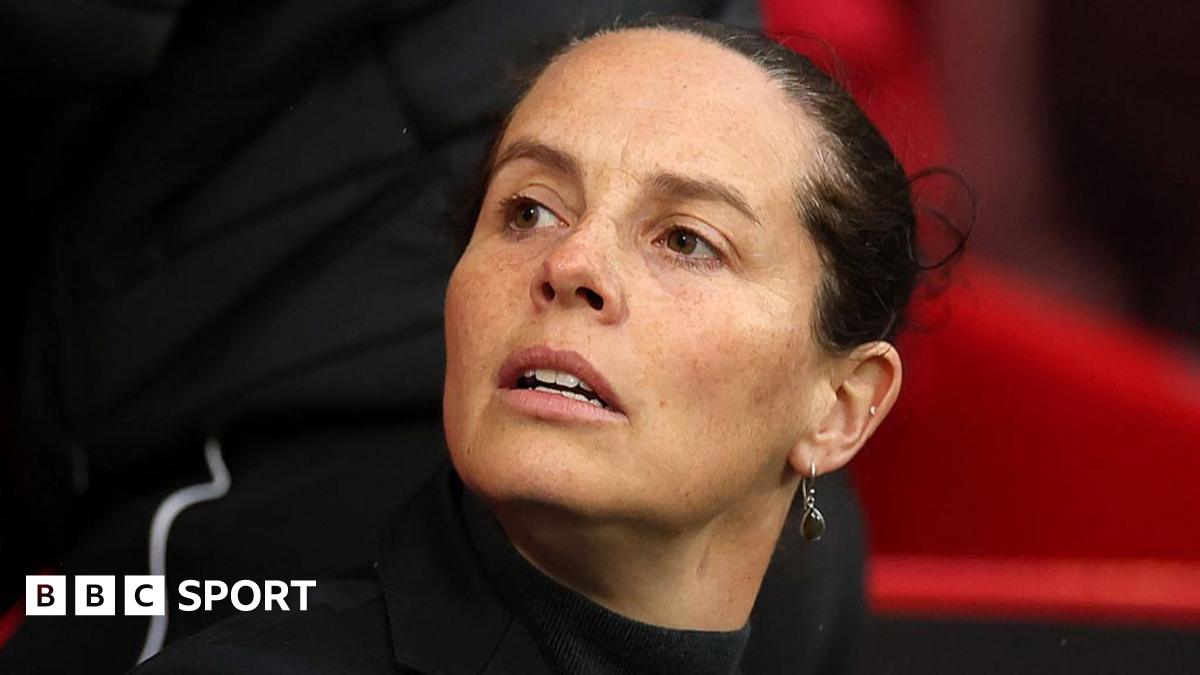
Hannah Dingley made history in 2023 when she took charge of a professional men's side in England. Three years later, the structural barriers to top-tier management roles remain as stubborn as ever. The pathway from grassroots development to the dugout of a major club remains severely restricted for female coaches despite a growing pool of qualified talent.
Data shows that while participation numbers in coaching courses have risen, the placement rate into senior roles is abysmal. Professional organizations frequently cite 'experience gaps' as the primary barrier. Critics point out that this is a circular problem: you cannot gain top-flight experience if you are never granted the initial opportunity to lead from the touchline.
The cost of limited access
When institutions favor status quo hiring practices, they miss out on tactical innovation. Coaching is a meritocracy in name only. Managers like Dingley have successfully transitioned from academy oversight to the senior game, but these appointments remain outliers rather than the expected career trajectory.
This failure to promote is not merely a social issue; it is a tactical one. Clubs relying on insular coaching networks often stagnate, failing to integrate fresh perspectives on match preparation and squad rotation. The industry tendency to hire from a narrow list of 'usual suspects' limits the tactical evolution of the game itself.
Why the cycle persists
The absence of diverse voices in high-pressure roles creates a culture of risk aversion. Boards are terrified of being the first to gamble on an unconventional candidate. This fear is a major factor driving the consistent reuse of managers who have already failed at previous stops.
Success in football should be measured by the ability to drill a cohesive system, not by the proximity to existing power brokers. When a manager is hired for their resume rather than their vision, results suffer. The lack of variety in the dugout leads to repetitive tactical setups that are easily decoded by opposition analysts.
Moving past the bottleneck
Solutions aren't about quotas, but about breaking the network-only hiring process. The BBC recently highlighted the hurdles still facing women in the sport, emphasizing that the current recruitment model functions as a closed loop. Coaches who lack pre-existing senior professional ties find it nearly impossible to climb the ladder.
To fix this, clubs must demand more rigorous and transparent hiring audits. Evaluating a coach solely on their ability to manage 25 egos in a locker room during a high-stakes environment is necessary, but current metrics are flawed. If the talent pipeline continues to be ignored, the quality of domestic football will suffer due to the absence of fresh tactical input.
The timeline for progress remains glacial. Unless ownership groups view coaching development as part of their fundamental business growth, we will see the same names cycling through clubs every 18 months. Real change requires shifting the criteria from prior associations to demonstrated analytical success.