The State of the Pitch
Football is accelerating toward the 2026 FIFA World Cup, with managerial shifts and tactical evolution dominating headlines. As we hit June 9, 2026, the sport remains defined by high-stakes personnel swaps and regional power struggles.
We are analyzing the moves and matches that dictate the current order. This list separates the game-changing transitions from the noise.
1. The Benfica Overhaul
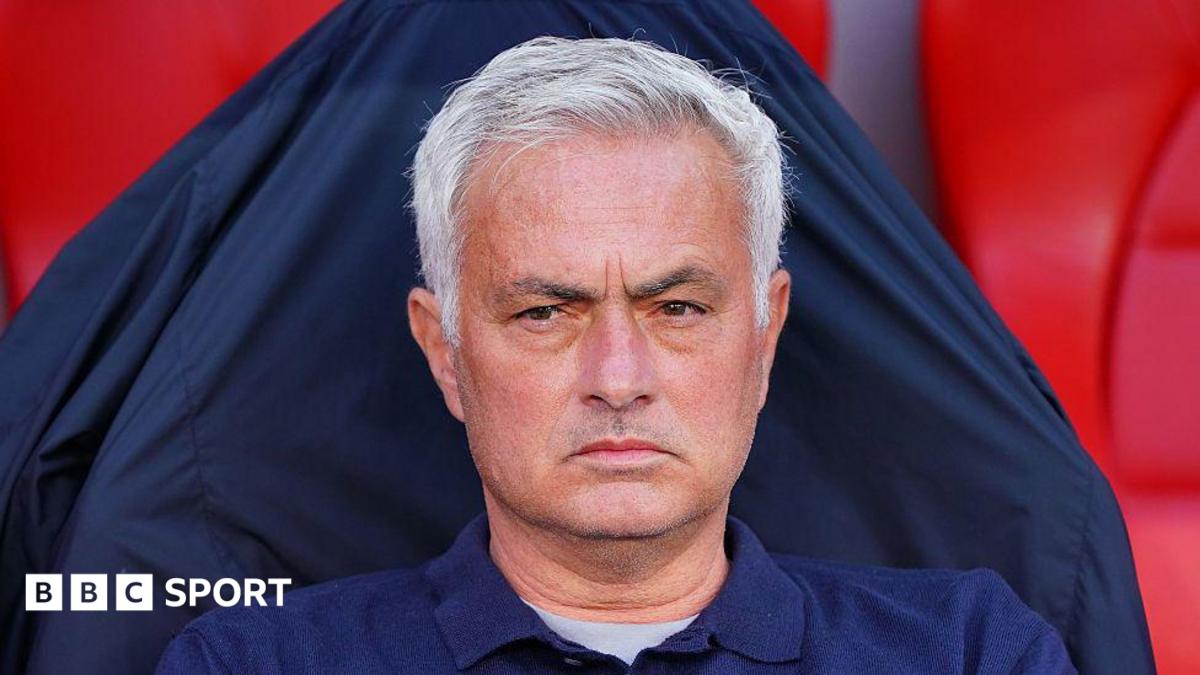
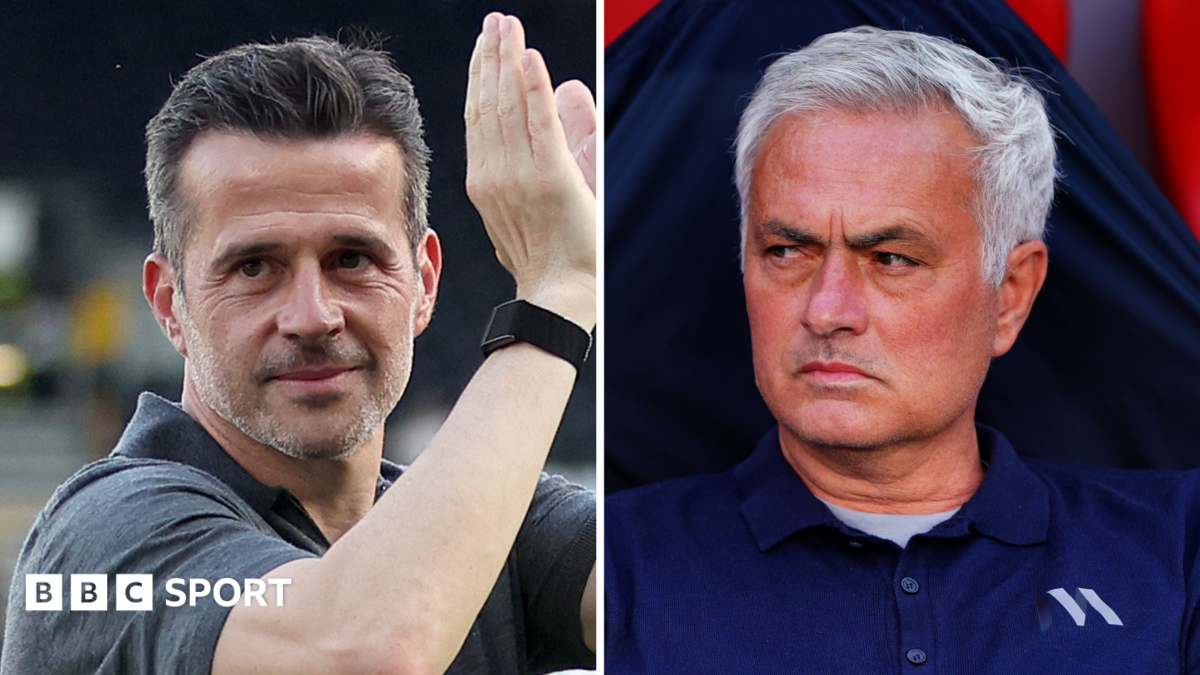
Marco Silva has officially agreed to replace Jose Mourinho at Benfica. This move follows the club formalizing Mourinho’s exit to join Real Madrid. It is the premier managerial carousel development of the summer, signaling a total shift in Lisbon's tactical identity.
Silva takes over a club that demands immediate trophy output. Mourinho leaving for the Bernabeu creates a void in Portugal that few managers are equipped to fill. However, Silva's tenure at Fulham suggests he prefers a more stable, possession-based build than his predecessor. Whether he can replicate the high-octane results of his Premier League run at the Estádio da Luz will be the litmus test for his career.
2. Real Madrid’s Mourinho Era
Mourinho arriving in Madrid represents the most significant tactical pivot in Spain this year. Bringing a coach known for defensive discipline to a squad historically predicated on attacking freedom is a gamble. If he fails to secure silverware by December, the fan base will turn quickly.
The defensive structure he implements must coexist with existing superstar talent. We have seen Mourinho stifle elite attackers to serve the system in the past. If he succeeds, Madrid dominates; if he fails, this becomes a chaotic footnote in the club's history.
3. The Pre-World Cup Tactical Freeze
With the 2026 FIFA World Cup beginning in 48 hours, managers have effectively locked their squads. We are seeing a complete halt in club-level innovation. No one wants to risk a strategy leak before the international tournament begins on June 11, 2026.
This stagnation is frustrating for fans, but essential for national teams. Every tactical decision made this week is internal, hidden behind closed training doors. It is the quietest week of the professional season.
4. The Fulham Managerial Vacuum
With Silva heading to Benfica, Fulham now faces a critical search. Managing a club of their stature requires a specific profile capable of navigating mid-table volatility. The pressure is on the board to act before the window closes.
Any delay risks losing their momentum from the previous campaign. They need a tactician who can maintain the high press Silva established. An interim appointment would likely fail to keep the players convinced of the current direction.
5. The Premier League Talent Drain
The movement toward the bench has become as important as the movement on the grass. As the BBC reported, Silva's exit from the Premier League removes a key voice from the tactical hierarchy. This brain drain weakens the league's overall depth.
When mid-table clubs lose coaches to European giants, the entire competitive balance shifts. It leaves teams vulnerable to relegation cycles. Losing established leaders during a World Cup summer is particularly damaging to recruitment pipelines.
6. The Rise of the Tactical Analyst
We see more emphasis placed on data than ever before. Coaching staffs now carry more technical analysts than assistants. This trend is diluting the influence of the head manager on the training pitch.
It makes for a sterile product on match days. Watching teams move with robotic precision is impressive, but it lacks the spontaneity that defined the game ten years ago. Innovation is now a matter of software, not personality.
7. The Benfica Youth Integration Strategy
Benfica’s decision to appoint Silva signals a return to internal development. They need to integrate academy prospects faster to offset rising costs. Relying on marquee signings proved unsustainable for their financial health last year.
Success here determines the club’s long-term stability. If the academy fails to produce current-level starters, Benfica will fall out of the European elite. The pressure on the youth coaching staff is now 30 percent higher than last season.
8. Defensive Realignment in La Liga
Mourinho’s arrival at Real affects the entire league's approach. Opponents have already begun shifting their scouting reports to account for his low-block tendencies. The days of open, high-scoring matches in the Spanish capital are likely over.
This move forces smaller teams to develop more sophisticated attacking patterns. They cannot simply rely on speed to overcome Madrid anymore. It turns every fixture into a grueling chess match.
9. Global Scouting Standardization
The FIFA World Cup 2026 will standardize scouting for the next two years. Clubs are sending entire staffs to watch the tournament with singular focus on transfer targets. One good performance here is worth 10 matches in the domestic league.
It creates a hype cycle that often leads to overpayment. We expect to see inflated transfer fees for players who have only thrived in this specific tournament structure. It is a dangerous game for sporting directors to play.
10. The Decline of the 'Number 10'
The traditional playmaker is effectively dead. Modern tactics emphasize vertical speed and defensive work rate over creative luxury. We see less flair in the final third than at any point since the year 2000.
This makes for more efficient football, but it is less entertaining. The beauty of the game is suffering in favor of statistical optimization. It is a practical turn that prioritizes results over artistry.
Honorable Mentions
The expansion of the World Cup roster limit to 26 players remains a controversial decision that limits youth development. Additionally, the increasing reliance on VAR has failed to reduce match controversy, contributing to longer delays and fewer active minutes per game. Finally, the silence from the European Club Association regarding the new calendar is creating significant tension with national federations.