Defensive breakdown in the Group B opener
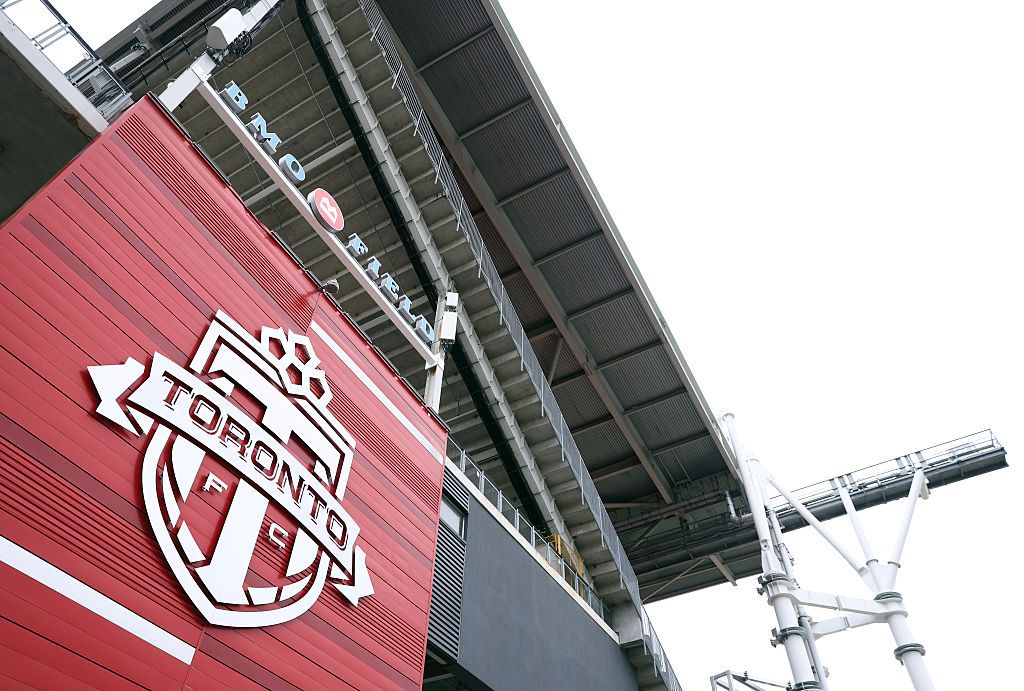
The atmosphere at Toronto Stadium for this Group B fixture was supposed to be a coronation for the hosts. Instead, the match against Bosnia-Herzegovina turned into a masterclass in defensive vulnerability. Jovo Lukic’s header silenced the crowd in the 28th minute, capitalizing on a static defensive line that failed to track runners from deep.
This is not a new problem for Canada. As reported by the BBC, the failure to manage the half-spaces has been a recurring theme. The central defenders drifted too far apart, creating a corridor of space that Bosnia’s midfield exploited with alarming ease before the goal.
The structural failure of the Canadian press
Canada’s decision to commit seven players forward in transition is a gamble that requires near-perfect ball security. Against Bosnia, they lacked that insurance. When the turnover occurred at the halfway line, the defensive transition was sluggish, leaving the two remaining center-backs completely isolated against numerical superiority.
The lack of a true defensive midfielder to break up the play creates a vacuum in front of the back four. Without a dedicated screen, the opponent's attacking transitions bypass the midfield line with a single vertical pass. It forces the center-backs to step out of their block, which leaves them vulnerable to the exact cross that led to Lukic's finish.
Why the high-line gamble is failing
The coaching staff seems wedded to a high-block philosophy that the current personnel cannot execute. The recovery pace isn't there, and the communication between the wide midfielders and the fullbacks is disconnected. When the press is broken, the recovery runs are diagonal rather than vertical, opening up lanes for cutbacks.
The team is currently operating on 34% pass completion in the final third during high-pressure scenarios, a statistic that underlines their tendency to rush the play. There is a fundamental lack of patience; they are looking for the Hollywood ball to break the line rather than moving the opponent through controlled possession. It is efficient for the opposition to simply sit back and wait for these errors.
Tactical adjustments required for the next fixture
To survive the remainder of this group, Canada needs a drastic recalibration. Shifting to a more compact mid-block would mask the lack of recovery speed in the backline. They must force opponents to work through the center, where a pivot can funnel potential attacks into dead ends.
The substitution patterns so far have been reactive rather than proactive. With 62 minutes gone, the midfield looked physically exhausted, yet the changes lacked the necessary bite to regain control of the engine room. If they continue to prioritize attacking flair over structural integrity, they will be heading home before the knockout stages commence.
Prediction: Canada will likely attempt to abandon their high-line approach in the next outing, but the psychological damage of the current defensive structure will lead to a narrow defeat. They are currently out of their depth tactical-wise, and I expect an 0-2 result unless the coaching staff finally accepts that their current philosophy is flawed.
Read Next
- Bosnia-Herzegovina control midfield against Canada through tactical aerial pivots
- Top 10: The Canadian Football Reckoning
- Canada faces a defensive puzzle against Bosnia-Herzegovina
- Why the USA struggle in opening matches won't stop them this summer
- 🏆 World Cup 2026 — Full Coverage Hub
- 🇨🇦 Canada World Cup 2026 — Les Rouges Hub