Tournament expectations versus reality
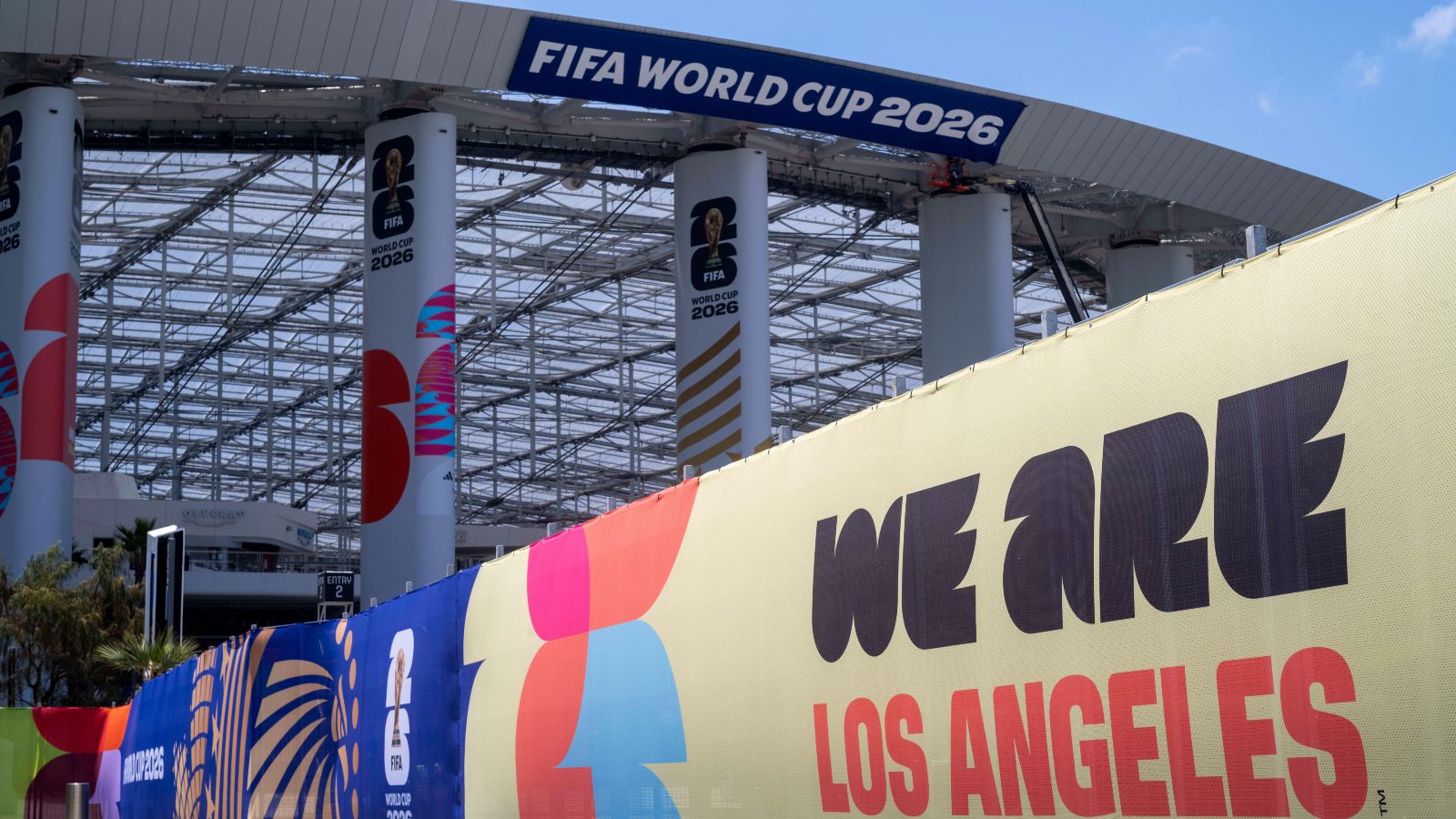
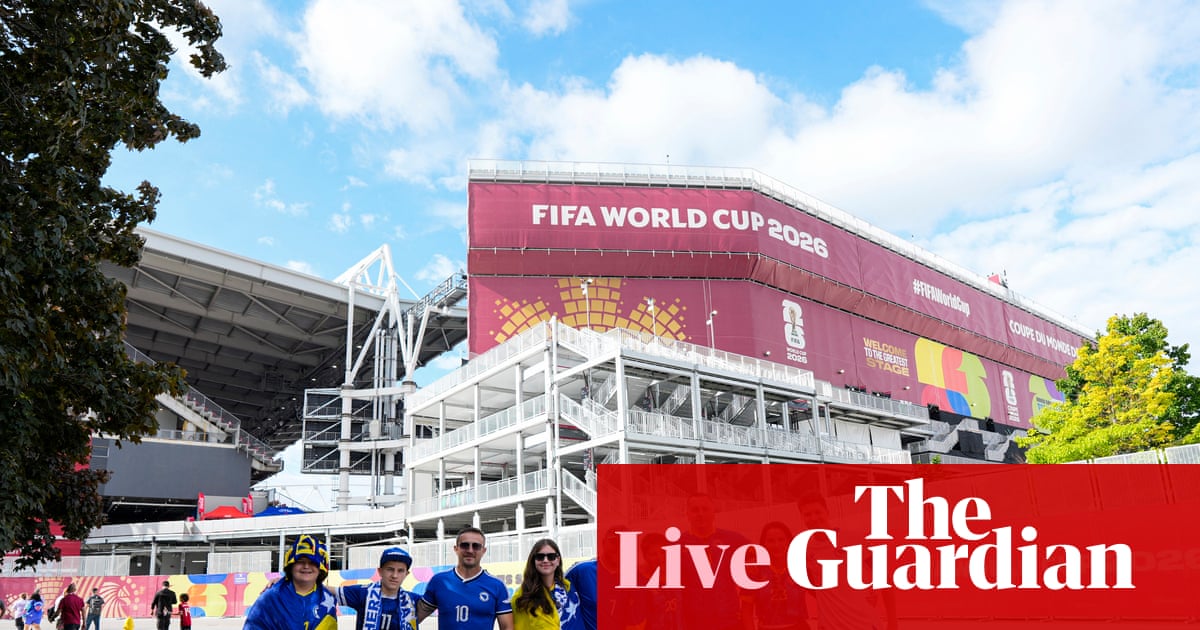
The kickoff of the 2026 World Cup has been a masterclass in contrasting narratives. While Mexico managed to secure a controlled opening victory, the anticipation surrounding the USA and Canada has reached a fever pitch that borders on anxiety. Watching the latest match updates, it is clear that the weight of hosting is visible in every misplaced pass and over-hit cross.
Tactically, the US team is facing a transition phase that feels disjointed. The central midfield rotation is currently struggling to find a balance between defensive screening and vertical progression. We saw this in the early sequences where the team failed to exploit the half-spaces when opponents dropped into a low block. Without a consistent engine room, the reliance on individual brilliance from wingers becomes a predictable, albeit flashy, trap.
The infrastructure of squad depth
There is a recurring issue with how these North American sides manage substitution patterns. The bench is populated with talent but the lack of chemistry when the tactical setup shifts is concerning. When the speed of the game drops, the US squad often retreats into an aimless possession cycle that generates high xG but low actual threat on goal. This is not a fatigue issue; it is a lack of cohesive game-plan adaptation.
We have to look at the numbers regarding recent performance. In the buildup to this tournament, the conversion rate from set-piece opportunities hovered around 11 percent, a figure that is simply too low for a serious knockout contender. If the coaching staff cannot refine those dead-ball routines by the second round of group fixtures, they will find themselves on the wrong side of a 0-1 scoreline against a drilled European or South American side.
Midfield rigidity and the path forward
The refusal to rotate the defensive pivot earlier in these high-pressure games is a mistake. Japan, for instance, showed a clear shift in dynamics following Wataru Endo’s tactical retirement from international duty, allowing for a more fluid build-up play. The USA, conversely, remains tethered to a rigid structure that doesn’t account for the current speed of defensive transitions in the modern game.
My prediction hinges on the inevitable adjustment to the team dynamics during the second match. The coaching staff has enough data from the opening game to identify which players are failing to hold the press. Expect a personnel swap in the defensive third to stabilize the shape. If they survive the group stage, their path will likely open up, not because they are the best team, but because they have the most room to actually improve.
The current pressure is unsustainable and frankly, unnecessary. Expect more empty seats in early group games as logistics catch up with venue management. The tournament is still finding its rhythm, but the raw talent in the US camp is too high to be suppressed for three consecutive matches. They will advance, perhaps messily, with a 65 percent chance of winning their remaining group stage fixtures. Whether they have the tactical discipline to navigate a Round of 16 match against a Tier-1 opponent is a different question entirely.