Scrapping the Amorim Playbook
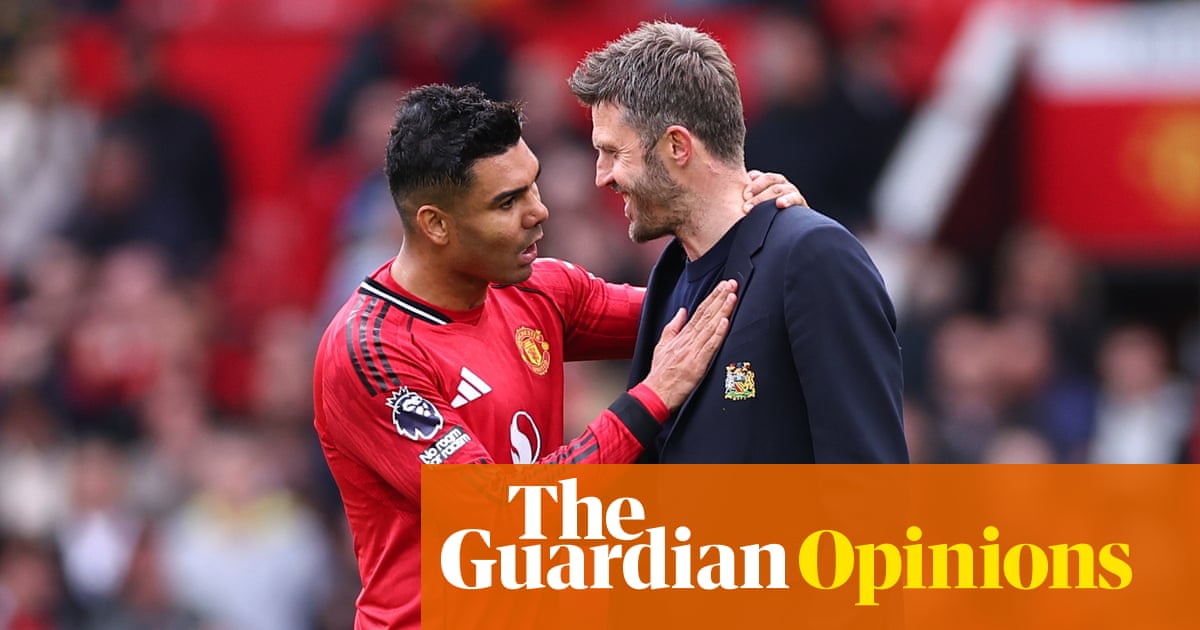
The March international break usually brings a dreadful pause to the domestic calendar. For Manchester United, it provided a necessary breathing space. Michael Carrick has spent the last two weeks quietly dismantling the remnants of the Ruben Amorim era.
The strict tactical mandates and off-pitch rules that defined Amorim’s rigid tenure were scrapped before the players even departed for their national teams. The result is a squad that finally looks ready to play football again.
It has been a somber week for the club's extended family. Roy Keane recently paid a heartbreaking tribute to his mother, Marie, who passed away in a Cork hospice. Former teammates like Gary Neville and David Beckham sent their condolences. The game continues, but the human element remains at its core.
On the pitch, Carrick steps back into the dugout this weekend to prepare for the Premier League's return with a very clear mandate. He has won seven of his 10 matches in charge. That is a run of form that demands attention. It also demands immense scrutiny.
Has he actually fixed the underlying structural issues, or is this just another dead-cat bounce at Old Trafford? David Beckham offered his verdict recently.
"The last few months have been more comfortable than the last 10 years."
He is entirely correct. Watching United under Carrick does not feel like a chore. The frantic, broken-field transitions of the past decade have been replaced by something resembling controlled possession. But comfort does not win league titles.
The tactical shift has been stark. Amorim obsessed over a back three. He demanded wing-backs hold the width and pushed dual number tens into isolated pockets. It was a mechanical system that stripped players of their autonomy.
Carrick immediately reverted to basics. He trusts his central midfielders to receive the ball on the half-turn. He allows his full-backs to overlap or invert based on the game state. It is pragmatic, player-led football.
The £150m Cole Palmer Question
The headline dominating the back pages is staggering. Cole Palmer is reportedly disillusioned at Chelsea. In response, Manchester United are preparing a record £150m swoop for the England international.
On paper, it sounds like standard Old Trafford scattergun recruitment. A massive fee for an unhappy star. In reality, it signals a massive stylistic pivot.
Palmer is a tempo-setter who operates in the right half-space. He pauses on the ball, draws defenders, and slips passes through impossibly tight angles. He does not play heavy-metal transition football. He dictates the rhythm.
Imagine Palmer receiving the ball on the half-turn in the right channel. Under Amorim, the wing-back would have immediately overlapped, dragging a defender and forcing Palmer inside into a congested block. Carrick's fluid system asks the full-back to read Palmer's body language.
If Palmer opens his hips, the full-back inverts. This creates a passing lane down the flank for a direct runner. It is a subtle difference, but it dictates the entire attacking flow. If you sign Cole Palmer, you are committing to a slow, methodical, possession-based attack.
Which brings us to the elephant in the room. You cannot play Cole Palmer and Bruno Fernandes in the same functioning system. Fernandes is the ultimate high-variance playmaker. He forces passes. He takes wild shots. He thrives in total chaos.
Palmer requires order. The news that a massive bid—the second-biggest offer in league history—is being planned for Fernandes suddenly makes perfect sense. United are ready to sell the chaos to fund the order.
Building the New Spine: Baleba and Brown
You cannot play possession football without a midfield capable of resisting a high press. This explains the intense pursuit of Carlos Baleba. Reports indicate United have received a major boost in the race for the £100m-rated midfielder.
Modern midfield play is defined by the ability to survive the first phase of build-up. When the opposition triggers a high press, you need a release valve. Baleba drops between the center-backs. He scans his shoulders. He receives the ball with a progressive touch.
He does not panic. He does not blindly clear the ball into the channels. He breaks the press with a single 15-yard carry, instantly transitioning the team from defense to attack. United have lacked this exact profile since the days of prime Nemanja Matic.
The defensive overhaul is equally ambitious. United are pressing hard for Nathaniel Brown. He is widely considered the most wanted defender in the market. The deal is set to be among the most expensive in history.
Why spend that much on a center-back? Because playing a high defensive line requires elite recovery pace. It requires exceptional one-on-one defending ability near the halfway line. Brown provides both.
If you are going to squeeze the pitch and compress the space, your center-backs are going to be left isolated. Brown thrives in isolation. Amorim tried to achieve a high line with a rigid back three, but the profile of the defenders constantly let him down. Brown changes the math entirely.
Then there is the attack. Marcus Rashford is currently on loan at Barcelona. The Catalan club wants to keep him beyond the temporary spell. Their proposed solution is a swap deal involving Ferran Torres. This is a fascinating tactical proposition.
Rashford is a devastating weapon in transition. He needs green grass in front of him to exploit. Torres is the exact opposite. He is a system player. He operates effectively in tight spaces, links play neatly, and rotates across the front three.
Swapping Rashford for Torres would officially close the book on United’s identity as a counter-attacking side. It is a bold move. But it aligns perfectly with the tactical direction indicated by the Palmer and Baleba pursuits. The front office is finally building a cohesive squad.
The Purgatory of the Dugout
Despite the clear recruitment strategy taking shape, the dugout remains engulfed in uncertainty. Senior players have reportedly already decided who they want as the permanent manager next season. Whether that aligns with the board’s vision is entirely unknown.
Some fans feel the club is currently stuck in purgatory. Carrick has not been a disaster. That makes him difficult to sack. But he has not proven he can out-tactic Pep Guardiola or Mikel Arteta in a grueling title race.
The logic applied to Jurgen Klopp’s early days at Liverpool is being used by some to justify a potential one-year deal for Carrick. Give him time. Let him build. Accept the growing pains.
But time is a luxury rarely afforded at Old Trafford. Zinedine Zidane has reportedly agreed terms over his next managerial role. While the French national team is the obvious destination, the lingering links to United refuse to die. A Zidane appointment would tear up the current tactical blueprint entirely.
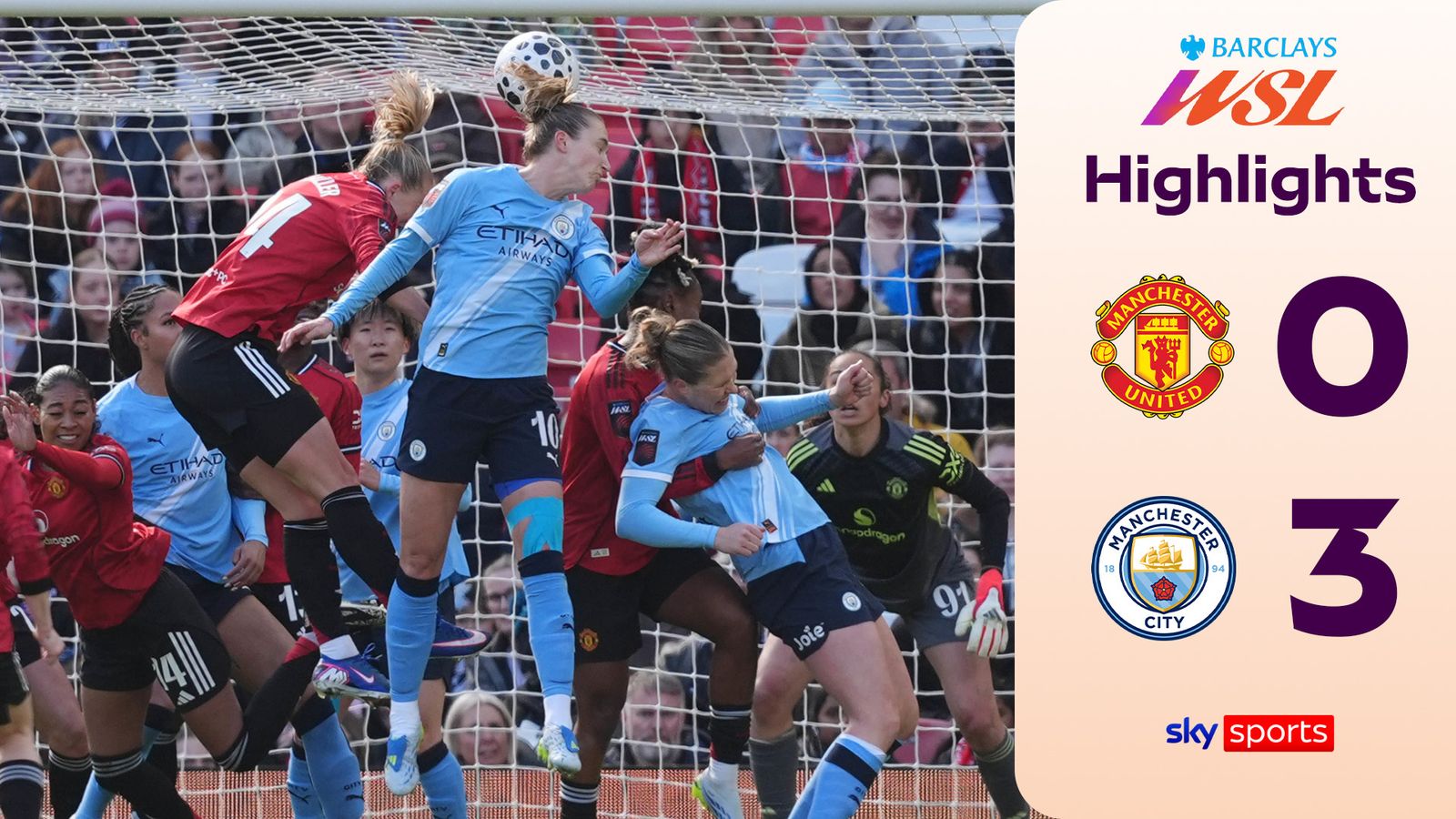
If the men's team needed a reminder of what elite tactical execution looks like, they only needed to watch the Manchester derby in the Women's Super League this week. City dismantled United 3-0.
Vivianne Miedema scored a clinical double to edge City closer to the WSL title. It was a masterclass in exploiting half-spaces and punishing structural errors. City pressed as a cohesive unit. They triggered their traps the moment a United center-back took a heavy touch.
That level of coordinated aggression is exactly what Carrick is trying to drill into his own squad at Carrington. The gap between a functional team and a title-winning team is vast. City just demonstrated exactly how wide that chasm remains across the entire organization.
Prediction for the Run-In
So, what happens when the whistle blows this weekend for the Premier League return? Expect United to dominate the ball. Expect a heavy reliance on the wingers holding the width to stretch the opposition block.
Expect moments of intense frustration as they struggle to break down a low block without relying on Fernandes forcing a low-percentage pass. The transition away from chaos takes time.
My prediction for the rest of the season? Carrick secures a string of narrow, highly controlled 1-0 and 2-0 victories. It will not be thrilling. It will not make the highlight reels. But it will be rigidly structured.
The board will eventually reward him with a one-year rolling contract. They will prioritize short-term stability over another chaotic managerial hunt. The massive Palmer deal will ultimately stall in boardroom negotiations, but Baleba will sign to anchor the midfield.
United will finish the season comfortably in the European spots, but miles off a genuine title challenge. And honestly? After the tactical disasters of the last three years, structured boredom is exactly what they need right now.