The title went to Parkhead, but the noise is in Gorgie
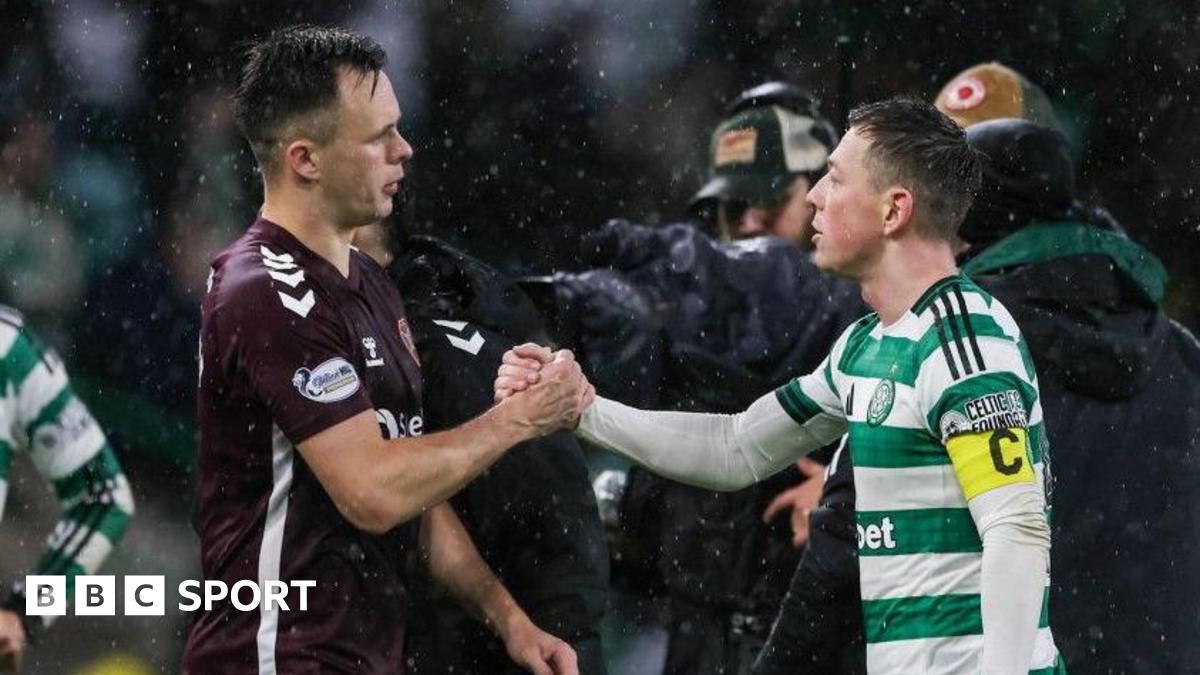
Celtic are Scottish Premiership champions again. Go ahead and feign your surprise. Brendan Rodgers lifted the trophy, the green ribbons were tied, and the usual party commenced in Glasgow's East End. The celebrations were loud, but the underlying mood among the Celtic fanbase feels weirdly muted this year.
If you scroll through any Scottish football forum or read the angry post-match threads this week, Celtic's triumph feels like a secondary plotline. The real debate, the actual vitriol and passion, is happening miles away in Edinburgh.
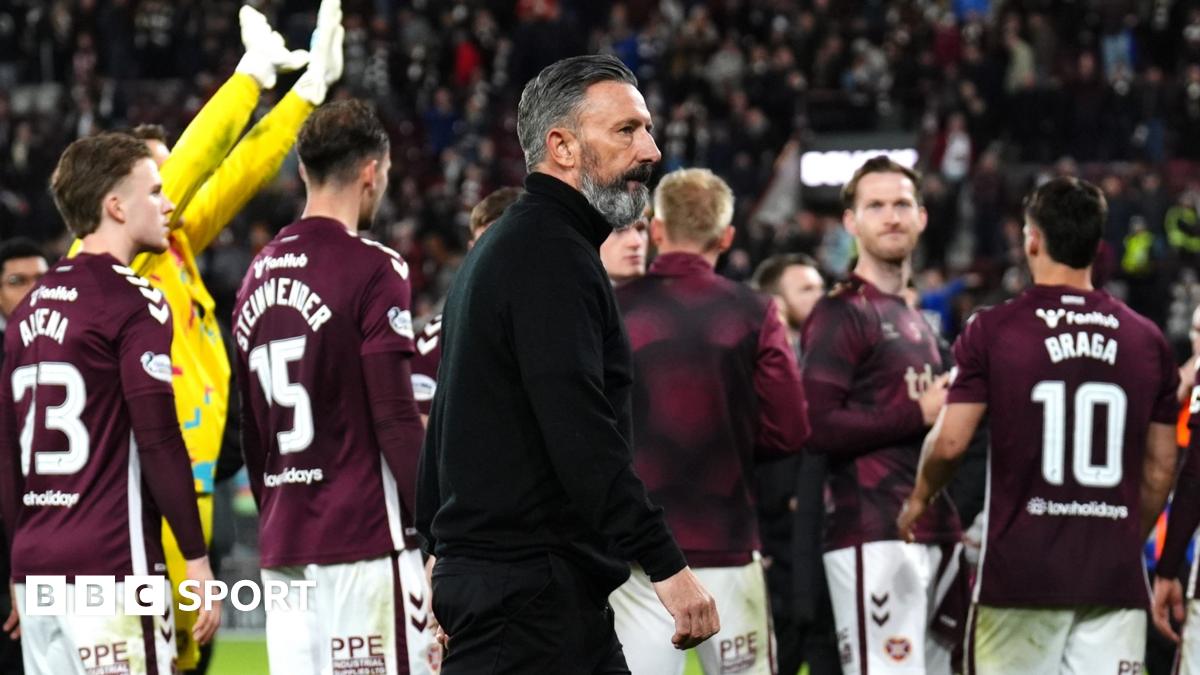
Hearts did not just secure third place; they threatened to blow up the two-team cartel that has strangled Scottish football for decades. Steven Naismith has built a squad that stopped treating trips to Glasgow as damage limitation exercises.
The reaction online has been a chaotic mix of wild optimism and seasoned cynicism. As highlighted in a recent Sky Sports analysis, fans across the country are genuinely arguing whether we are witnessing a permanent shift or just another brief interruption in the endless Celtic-Rangers duopoly.
The believers: This time is actually different
There is a massive contingent of fans who are entirely sold on the Hearts revolution. The optimism is not just based on vibes; it is rooted in how they played the game and how they approached the transfer market.
Look at the threads breaking down their tactical setup against Rangers. Hearts did not park the bus and pray for a lucky counter. They pressed high, forced errors, and dominated possession in spells where non-Old Firm teams usually collapse into a deep block.
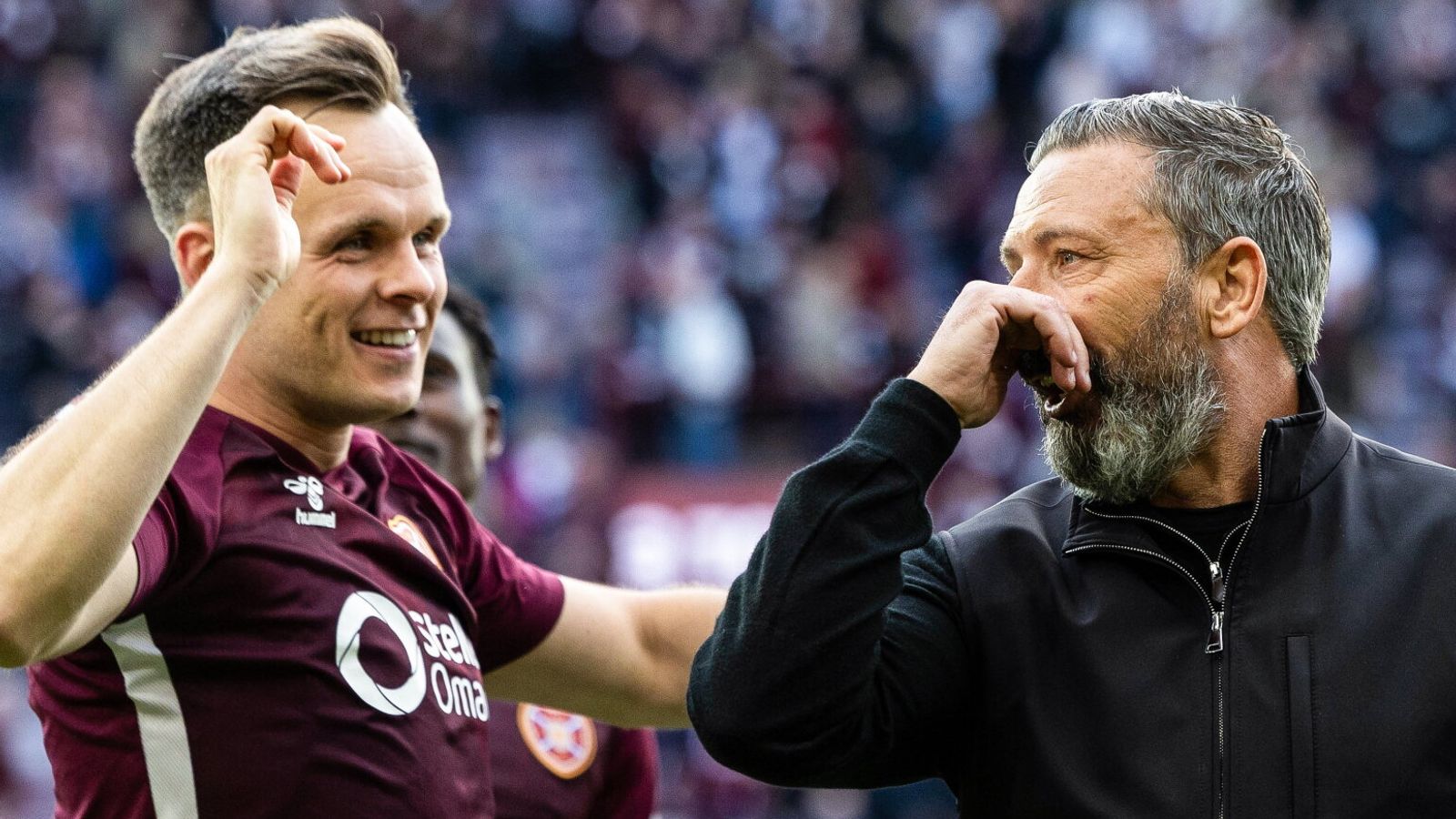
Lawrence Shankland hitting the 30-goal mark across all competitions is the obvious talking point. He has been utterly ruthless in front of goal. But the tactical nerds are focused elsewhere, digging into the underlying metrics that suggest this is not a fluke.
They point to the midfield dominance. Beni Baningime and Calem Nieuwenhof have controlled games against teams with triple their wage bill. The fans are noticing that Hearts are winning ugly when required, grinding out 1-0 results away from home, a trait usually reserved for champions.
One highly upvoted analysis compared this Hearts side to the George Burley era of 2005-06. The consensus? This current iteration is far more sustainable. There is no chaotic owner pulling strings or signing obscure players on massive wages.
Instead, there is a clear recruitment strategy. Fans are rightly pointing out that Hearts are finally exploiting the European group stage money properly. They are building a squad deep enough to handle Thursday night trips to the continent and Sunday afternoons in Dingwall.
The Foundation of Hearts fan ownership model is frequently cited as the bedrock of this success. They are not dependent on a sugar daddy walking away and leaving them in debt. Every ticket sold, every pie bought at Tynecastle feeds directly back into the playing squad. It is a slow, methodical build that finally seems to be paying off.
The skeptics: We have seen this movie before
For every Hearts fan projecting title challenges, there is a battered, weary Scottish football veteran ready to pour cold water on the hype. The skepticism is entirely valid and deeply entrenched in the history of the league.
Aberdeen under Derek McInnes pushed Celtic close a few years ago. They ultimately fell away when it mattered most. Hibernian occasionally threaten to put a run together before entirely imploding in hilarious fashion. Why should Hearts be any different?
The cynical view dominating Rangers and Celtic circles is that Hearts merely capitalized on a uniquely terrible season for the Ibrox club. Rangers' recruitment has been an absolute disaster class. They dropped points at home to Motherwell, lost their shape, and looked entirely disjointed for months.
The argument goes that Hearts did not bridge the gap; Rangers fell backwards into them. If the Ibrox board finally gets their act together, fires the deadwood, and spends some money, normal service will immediately resume.
Then there is the brutal financial reality. Celtic's bank balance is absurd. They can afford to have a miserable transfer window, sack half their backroom staff, and still win the league because their starting eleven costs more than the rest of the league combined.
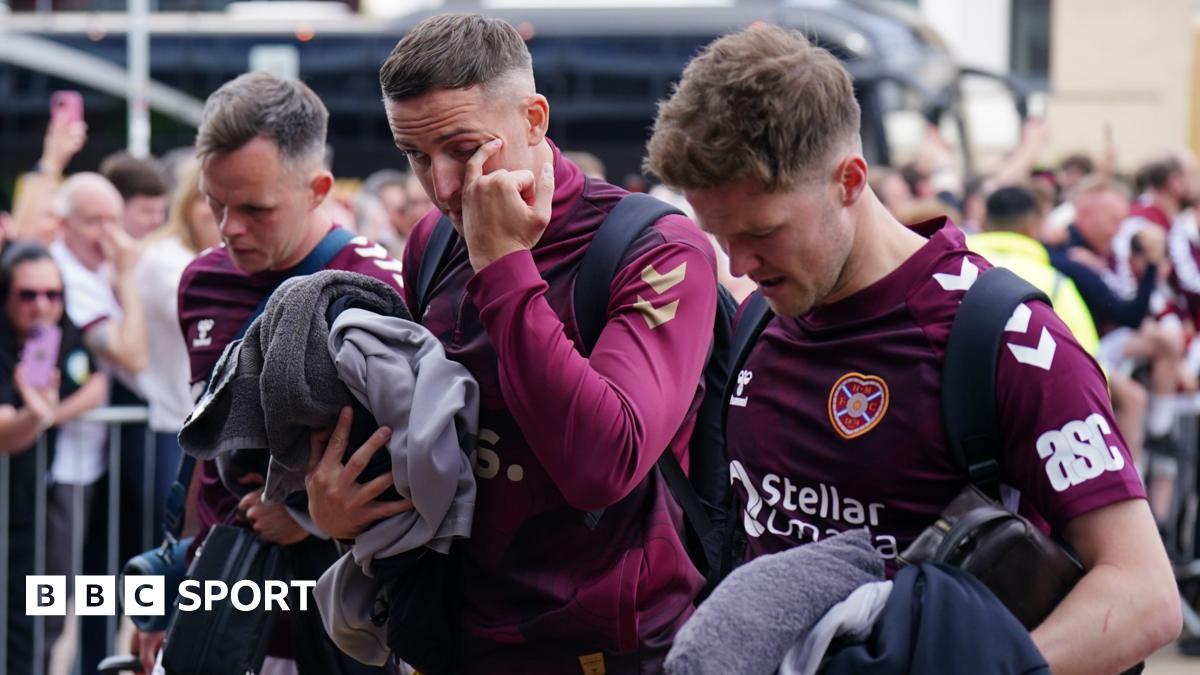
Skeptics are already placing bets on which English Championship team will poach Shankland this summer. The grim reality of Scottish football is that any non-Old Firm team that finds success is immediately dismantled by clubs down south with Premier League parachute payments.
The dread of the summer transfer window is already creeping into the celebrations. You can build a great system, but if your striker is sold for a fraction of his worth, the system breaks. Fans have seen this exact scenario play out with Dundee United and Aberdeen in the past.
The Rangers meltdown and Celtic's regression
We cannot ignore the blue elephant in the room. A significant portion of the discourse revolves around how bad Rangers were, rather than how good Hearts were. The implosion at Ibrox has been spectacular to watch.
Rangers fans are in full meltdown mode online. The forums are demanding a complete clear-out of the boardroom. The anger is not directed at Hearts for being good; it is directed inward at the utter failure of their own club to maintain a standard.
There are valid criticisms of Hearts' record in the absolute biggest pressure cookers. When they went to Celtic Park with a chance to genuinely scare Rodgers' team, they blinked. They lacked the killer instinct that defines actual title winners.
Celtic fans are quick to remind everyone that despite the narrative of a tight race, they still finished comfortably ahead. They played boring, methodical football for large stretches of the season and still got the job done with games to spare.
The criticism of Celtic is harsh but fair. Rodgers' second spell has lacked the heavy metal football of his first. Kyogo Furuhashi spent weeks looking isolated. Callum McGregor had to drag them through games through sheer force of will while the wingers failed to produce anything meaningful.
But they still won. That is the point the skeptics hammer home repeatedly. Celtic can be thoroughly mediocre by their own standards, drop points against bottom-half teams, and still walk away with the trophy. Hearts have to be perfect just to get close.
The broader impact: Is the TV deal finally justified?
One of the most interesting threads emerging from this title race is the discussion around the Scottish television deal. For years, pundits have complained that the league is entirely unmarketable outside of the Glasgow derbies.
Hearts pushing the envelope has changed the conversation. Suddenly, there are three teams drawing genuine interest. Tynecastle is packed every week, the atmosphere is feral, and the football is actually watchable.
Supporters of smaller clubs are pointing out that a strong Hearts is good for the entire league. It forces Celtic and Rangers to stop treating the rest of the division as a training exercise. It forces the broadcasters to actually talk about someone other than the Old Firm.
The commercial reality is that Scottish football desperately needs a third force. Hearts are stepping into a void that has been empty for far too long. Even the most bitter Hibernian fans are grudgingly admitting that what Naismith is doing is actually good for the game.
It creates tension. It creates genuine jeopardy on a weekend. When Hearts play Rangers now, it is not a foregone conclusion. It is a genuine contest with massive implications for the league table.
The verdict: Evolution, not a revolution
So, who has the stronger argument? The truth sits somewhere in the miserable, rain-soaked middle ground of Scottish football.
The enthusiasts are absolutely right to celebrate Naismith. He has silenced the critics who thought his appointment was a cheap, lazy option by the board. Hearts are playing modern, aggressive football. They are financially stable, backed by a brilliant fan ownership model, and have a clear identity.
But the skeptics have forty years of history on their side. Closing the gap from third to second is hard. Closing the gap from second to first requires a miracle of biblical proportions.
To win the Scottish Premiership, you need to break the 85-point barrier, and often you need well over 90. You cannot afford to draw away to St Johnstone on a Tuesday night in February. You have to be completely relentless.
Hearts are not there yet. Their squad depth will be severely tested next season with European football adding massive fatigue to the legs. If they lose key personnel in the summer, they could easily regress back to fighting for third with Aberdeen.
However, dismissing them as a flash in the pan is lazy analysis. The structural changes at Tynecastle suggest they are building a floor, not just a ceiling. They might not win the league next year, but they are absolutely positioned to make Celtic and Rangers bleed for every single point.
The real victory for Hearts is that they have forced the rest of the league to take them seriously. They are no longer just the best of the rest; they are an active threat. And in a league that has been entirely predictable for decades, that alone is worth shouting about.
Read Next
- Hearts are one game away from breaking Scottish football
- Celtic and Hearts clash in high-stakes Scottish Premiership finale
- Why Hearts' extreme defensive block might actually survive Celtic Park
- Hearts are 90 minutes away from breaking a 41-year Old Firm monopoly
- ⚽ Scottish Premiership 2025-26 — Celtic vs Rangers Hub