
Celtic's Scottish Cup victory changes the SWPL power dynamic

Measuring the gap in Glasgow
Celtic’s narrow 2-0 victory over Rangers in the Scottish Cup final was not a statistical blowout. It was a tactical triumph centered on patience and situational awareness. Rangers dominated the ball for prolonged stretches, but they lacked the incisiveness to break down a rigid block. When the final whistle blew at Hampden Park, the implications for the upcoming SWPL title race became immediate.
Elena Sadiku has instilled a level of discipline in this squad that was conspicuously absent four months ago. The win showcased an ability to absorb pressure — Rangers’ inability to convert high-volume possession into shots on target was a glaring inefficiency. The discrepancy in chance creation confirms that Celtic’s path forward is built on defensive rigor rather than flashy personnel rotations. If they want to challenge for domestic dominance next season, this final serves as the foundational proof of concept.
Tactical rigidity vs. creative failure
Observe the way Rangers operated in the final third. They spent the bulk of the second half recycling possession on the periphery of the 18-yard box. Without a secondary playmaker to punch passes between the lines, the attack became predictable. Celtic, by contrast, utilized direct transitions that caught the Rangers backline in high-compression moments.
The defensive shape maintained by Celtic during transition defense was the highest quality I have seen in the competition. They limited opposition xG significantly by forcing Rangers to take shots from distance. Tactical maturity is the difference between a top-three finish and lifting the silverware. Rangers have talent, but they failed to adjust their press when their initial shape was compromised in the 20th minute.
The growth of the domestic product
The standard of play in the Scottish women’s game has risen, evidenced by how the BBC described the high-stakes atmosphere at the national stadium. However, this progress is not linear. Managers must address the disparity in depth. Celtic survived this final because their bench maintained the tempo when Rangers started to fatigue. It is a harsh assessment, but Rangers’ inability to solve the Celtic low block suggests a ceiling on their current coaching methodology.
Looking toward the 2026/27 campaign, the momentum sits with the team that found their rhythm when the trophy was on the line. Celtic demonstrated that they can execute a game plan under intense scrutiny. Rangers must rethink their reliance on slow-paced build-up if they intend to reclaim the initiative. As we see in other sports, such as when the masked rivalry dynamics evolved in wrestling, tactical adaptation determines longevity. For Celtic, summer reinforcements are required to maintain this level of intensity across a full league slate. For Rangers, the time for tinkering with the starting XI has ended; they need a structural overhaul before the campaign restart.
Read Next
- Arsenal have finally reclaimed their throne but the scars remain
- Khadija Shaw is carrying Man City on her back
- Arsenal aren't fixed just because Peter Schmeichel said something nice
- Arne Slot's Liverpool exit: A 20th title followed by total collapse
- ⚽ Scottish Premiership 2025-26 — Celtic vs Rangers Hub
LUX Sports Grip Socks - Anti Slip Soccer Socks
Pro-level grip technology to stop foot-slip inside your cleats.
Frequently Asked Questions
How did Celtic secure their Scottish Cup final victory?
Why did Rangers fail to score against Celtic in the final?
What tactical changes has Elena Sadiku implemented at Celtic?
What is the primary factor affecting the SWPL power dynamic?
What must Rangers improve for the upcoming SWPL season?
More Coverage

Arsenal have finally reclaimed their throne but the scars remain
2 hours ago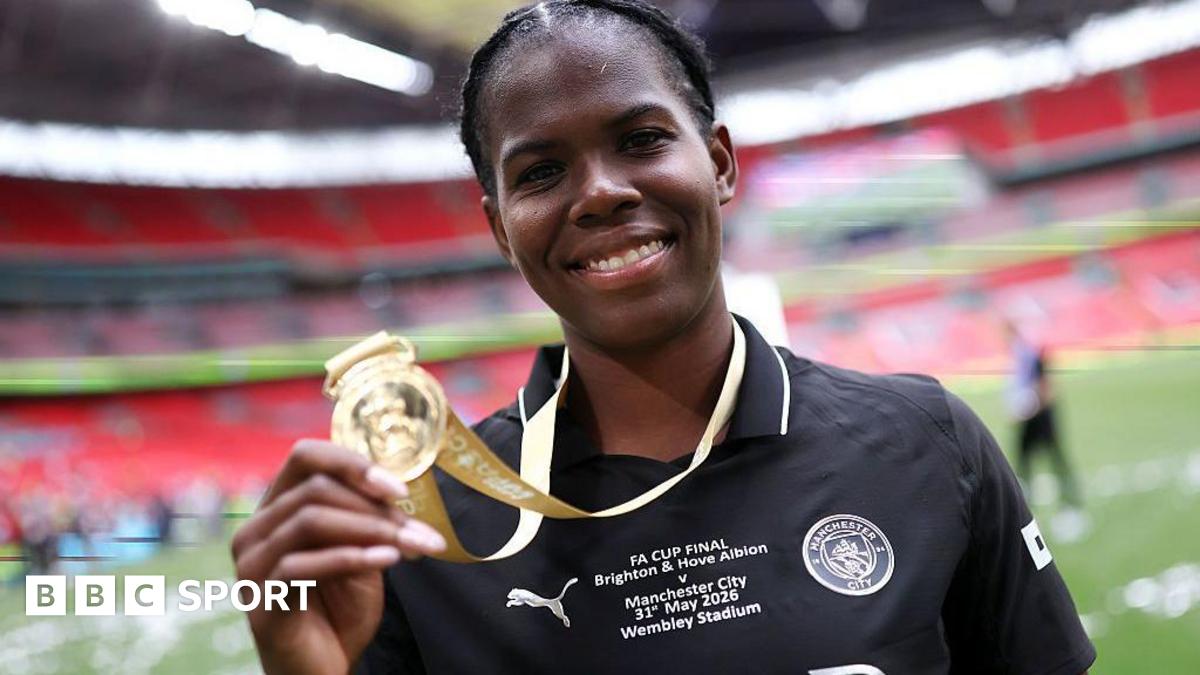
Khadija Shaw is carrying Man City on her back
3 hours agoArsenal aren't fixed just because Peter Schmeichel said something nice
20 hours ago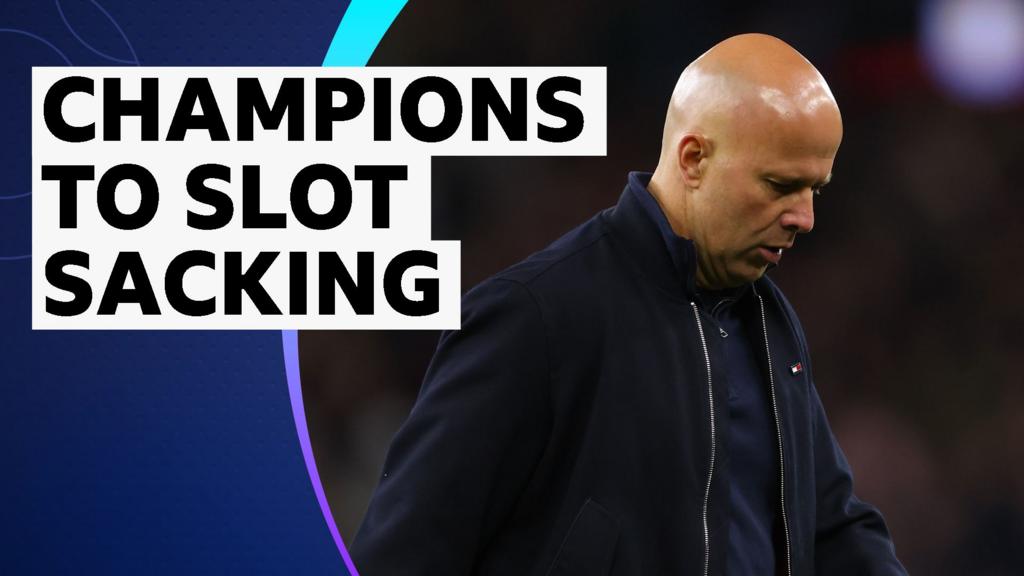
Arne Slot's Liverpool exit: A 20th title followed by total collapse
1 day, 2 hours ago
Scotland are playing with fire ahead of the World Cup opener
1 day, 8 hours ago
Scotland's World Cup gamble: Steve Clarke is now officially bulletproof
1 day, 18 hours agoMore Analysis

Liverpool’s pursuit of a new manager is a high-stakes gamble
an hour ago
Brazil's final audition against Panama is about rhythm, not the scoreline
an hour ago
FIFA's new VAR rules could define the 2026 World Cup
an hour ago
Soccer Aid cameos and the transfer market noise of summer 2026
2 hours ago
Darren Huckerby is still faster than your favorite center-back
2 hours ago