The Immediate Fallout
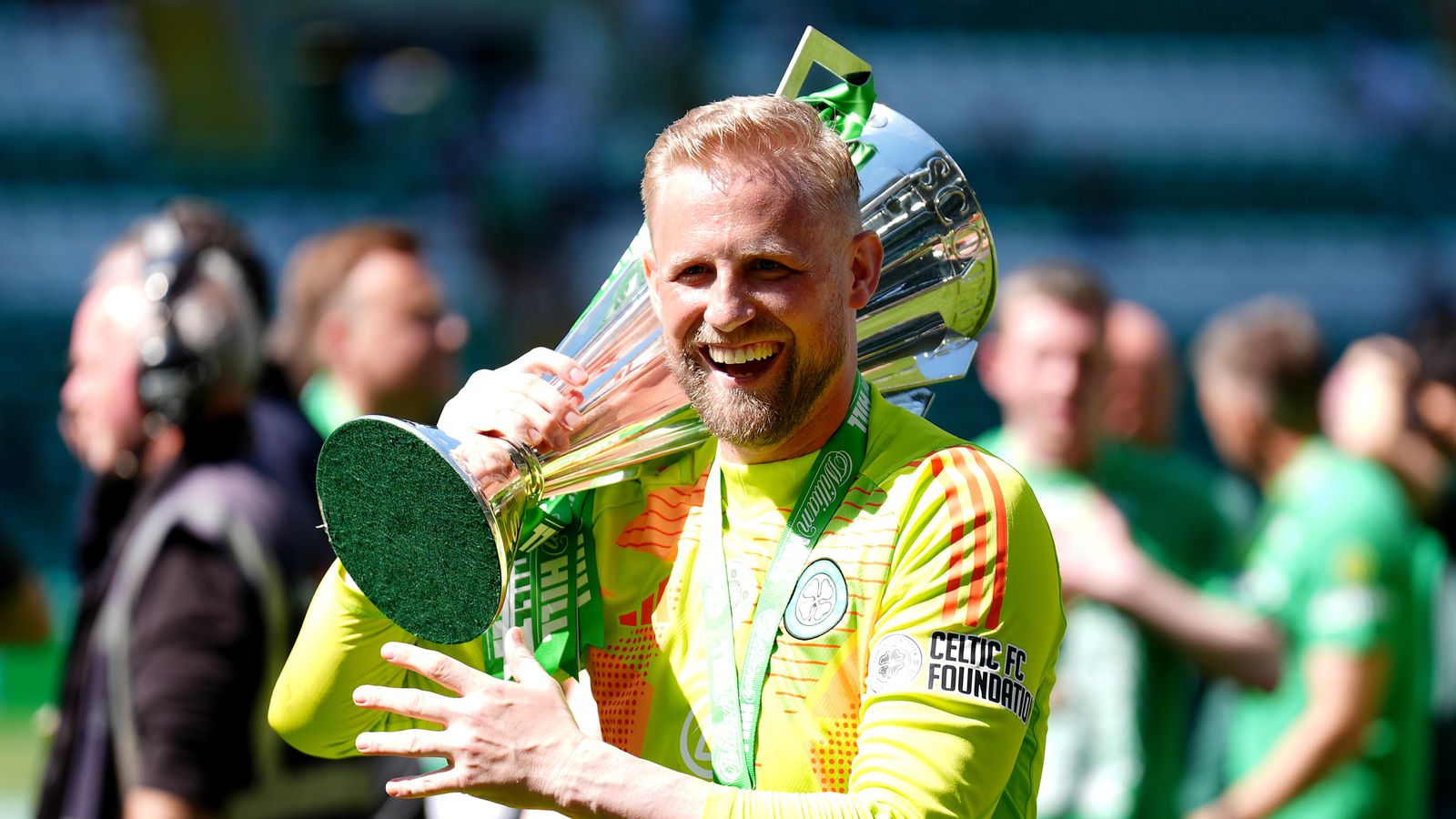
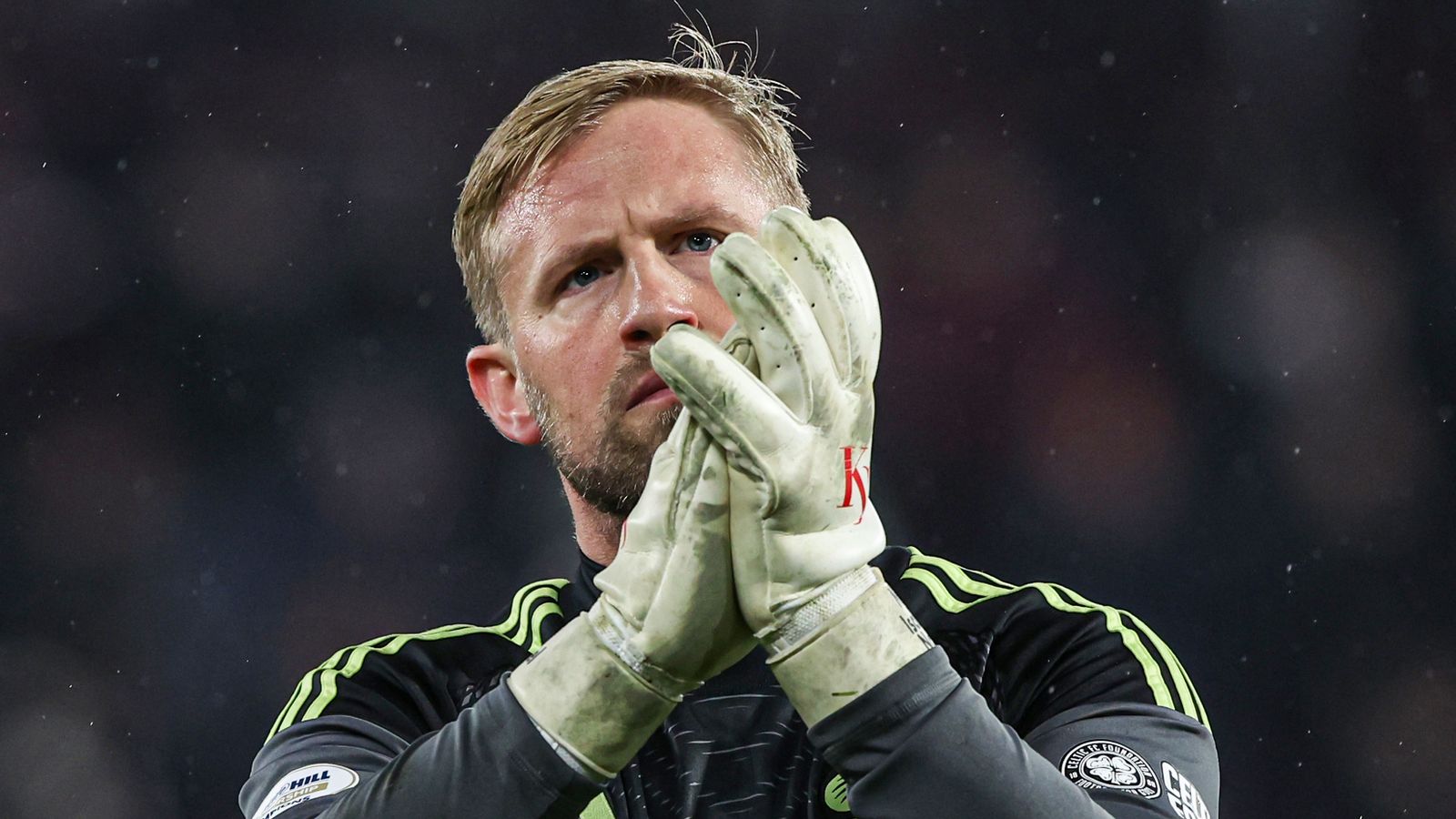
Kasper Schmeichel has navigated the first hurdle of what promises to be a grueling rehabilitation process. As confirmed by recent Scottish Premiership updates, Celtic’s veteran goalkeeper has undergone his first shoulder operation. It is a severe intervention that fundamentally alters the club's season.
The confirmation of a successful initial procedure offers temporary relief. However, the phrasing itself carries heavy implications. A "first" operation suggests a multi-stage surgical plan, or a complex joint repair that simply could not be resolved with a standard arthroscopy.
For a goalkeeper, the shoulder joint dictates everything. It anchors extension, absorbs brutal impacts, and powers distribution. Losing Schmeichel at this exact juncture — late March — definitively rules him out for the remainder of the title run-in.
Decoding the "First" Operation
When medical updates specify a "first" operation, it indicates extensive structural damage. In a goalkeeper's shoulder, this often points toward a severe dislocation resulting in a torn labrum and accompanying rotator cuff trauma.
Surgeons typically prioritize stabilizing the joint and addressing acute capsular damage first. If there is significant bone loss — a frequent consequence of violent traumatic dislocations — a secondary procedure like a Latarjet operation is sometimes required. This involves grafting bone to prevent future instability.
Without detailed clinical notes from the club, the medical reality dictates extreme caution. The joint's foundation must be secured before addressing secondary tendon repairs. The fact that he is out of surgery is positive, but it marks day zero of a painfully long calendar.
The Biomechanics of a Goalkeeper's Shoulder
Unlike outfield players who can return from upper-body injuries with the aid of heavy strapping, a goalkeeper's shoulder absorbs unpredictable, concussive forces daily.
Every diving save requires the shoulder to bear the brunt of the body colliding with the turf. When fully extended, the joint is entirely exposed. A fully outstretched arm parrying a high-velocity shot translates immense force directly through the glenohumeral joint.
Distribution also relies heavily on this joint. Modern goalkeepers must launch quick, accurate throws to initiate transitions. A compromised shoulder strips a keeper of this offensive weapon. Losing that top-end arm strength is a massive blow for Schmeichel, whose elite distribution was a hallmark of his peak years at Leicester City.
Rehabilitating this joint requires rebuilding it to withstand car-crash levels of impact repeatedly, without hesitation. That psychological hurdle often takes significantly longer to clear than the physical healing.
The Recovery Timeline
The timeline for a complex shoulder reconstruction is unforgiving. Returning to the pitch before the end of the current campaign is a medical impossibility.
The initial phase demands absolute immobilization. For the first four to six weeks, the shoulder is locked in a sling. The surgically repaired tissues need time to adhere to the bone. Any premature movement risks stretching the repair and introducing chronic laxity.
Phase two shifts to passive range of motion. Physiotherapists manually articulate Schmeichel’s arm to prevent a frozen shoulder, but active muscle contraction is strictly banned. Heavy, active strengthening usually begins around the three-month mark.
The final phase is the most dangerous. Around month five, specialized handling drills begin. Keepers drop to their knees on crash mats, relearning how to land. They subject the repaired shoulder to controlled trauma. Realistically, an injury requiring multiple surgical interventions keeps a player sidelined for six to nine months. An autumn return is the absolute best-case scenario.
Tactical Fallout for Celtic
Brendan Rodgers faces a severe tactical headache. Schmeichel wasn't just a shot-stopper; his vocal command organized the entire defensive line. The ripple effect of a mid-season goalkeeper change will be immediate and disruptive.
When an unproven backup is thrust into a title race, the defensive unit naturally drops five yards deeper. Center-backs trust a seasoned veteran to sweep up behind them, allowing for a high defensive line. A newer presence between the sticks breeds fatal hesitation.
Celtic's buildup play will suffer against aggressive opposition. Teams across the league will target this sudden vulnerability. His replacement will face targeted pressing triggers, daring them to make a mistake in possession.
This forces Celtic to reconsider their entire defensive shape. If the backline drops to protect the keeper, the midfield must cover vastly more ground to press. This leads directly to late-game fatigue, a massive problem as fixtures pile up in April and May.
A Front Office Failure
While injuries happen, Celtic's squad planning has been undeniably negligent. Relying entirely on a keeper pushing 40 without a battle-tested understudy was a reckless gamble. The front office is now paying a heavy price for that arrogance.
Heading into a tense title fight against Rangers and difficult away days at places like Pittodrie, Celtic are dangerously exposed. You cannot just patch a defensive unit together in late March and expect flawless execution.
Historical Precedents in the Position
Looking back at recent goalkeeping history, severe shoulder injuries frequently derail seasons. When a keeper loses confidence in their dive, the drop-off in performance is staggering.
Keepers subconsciously begin to favor the healthy side, leading to predictable weaknesses. When a striker knows a keeper is hesitant to dive to their left, shot placement becomes painfully obvious.
For Schmeichel, the challenge goes beyond physical rehabilitation. He must overcome the mental block of throwing his body weight onto a surgically repaired joint. Modifying his aggressive, explosive style now is a monumental task.
If he cannot fully trust the shoulder, he will have to rely entirely on anticipation. The Scottish Premiership routinely punishes hesitation. Crosses into the six-yard box require a keeper to punch through traffic. A weak shoulder makes that terrifying.
Looking Ahead to the Summer
The transfer window strategy must pivot immediately. Securing a reliable, starting-caliber goalkeeper has vaulted to the top of the priority list.
Celtic need someone who can survive the immediate pressure cooker and realistically start the next campaign. Schmeichel will likely not be ready for the grueling schedule of European qualifiers slated for late summer.
The success of this first operation is a necessary step, but it is merely the opening chapter of a long, painful book. Celtic must prepare for life without him for the foreseeable future.
Read Next
- Celtic's shambolic PR disaster creates a tactical nightmare in goal
- Arsenal's nightmare scenario is unfolding right on schedule
- Santiago Gimenez returns to AC Milan after a grueling 144-day absence
- Spurs face a physical and tactical breaking point as De Zerbi waits to replace a grieving Tudor
- ⚽ Scottish Premiership 2025-26 — Celtic vs Rangers Hub