The coaching carousel hits Montreal
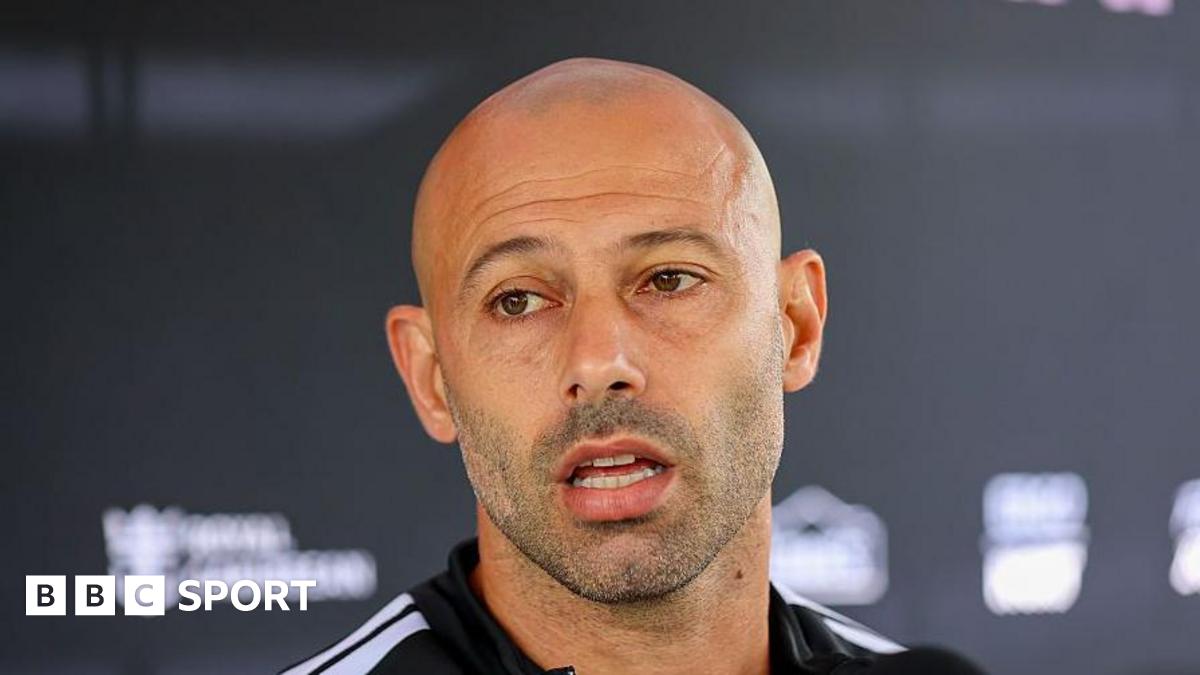
CF Montreal confirmed the firing of head coach Marco Donadel on Sunday, April 12. The move follows a miserable run of form that left the club joint-bottom in the MLS standings with just three points. The tipping point was Saturday’s 2-1 defeat to the Philadelphia Union, a result that made the coaching change look like an inevitability rather than a shock.
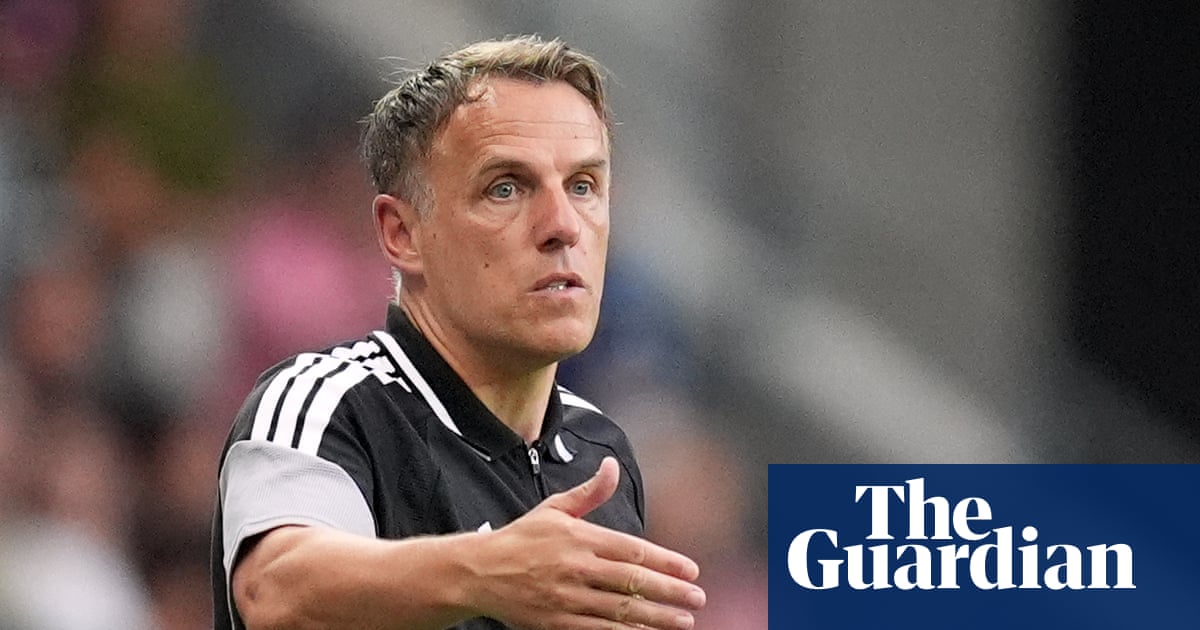
Philippe Eullaffroy has been named interim head coach while the organization looks for a permanent solution. The club is currently struggling to find identity on the pitch, having leaked goals throughout the spring. The loss to Philadelphia exposed a disorganized defensive line, highlighting the tactical disconnect that defined Donadel's tenure.
The organizational ripple effect
Firing a coach this early in the season is rarely just about wins and losses; it signals a fundamental breakdown in the squad’s buy-in. Montreal currently sits on a total of 3 points after a string of poor performances. The pressure to stabilize the locker room falls now on Eullaffroy, who inherits a team that looks low on confidence and defensive cohesion.
This isn’t a sudden anomaly for the club. As The Guardian reported, the decision to cut ties with Donadel highlights the thin margins in MLS management. Teams that cannot adapt tactically within the first 10 matches often find themselves scrambling for the remainder of the season. Montreal has now burned through its patience, forcing the front office into a search that begins mid-campaign.
Competitiveness and the road ahead
The immediate challenge for Eullaffroy is tightening the back four. Against Philadelphia, the tactical setup felt stagnant, leaving the midfield isolated and the defenders exposed in transition. Without a shift in how they handle high-pressing opponents, Montreal will continue to struggle against the league's more aggressive attacking sides.
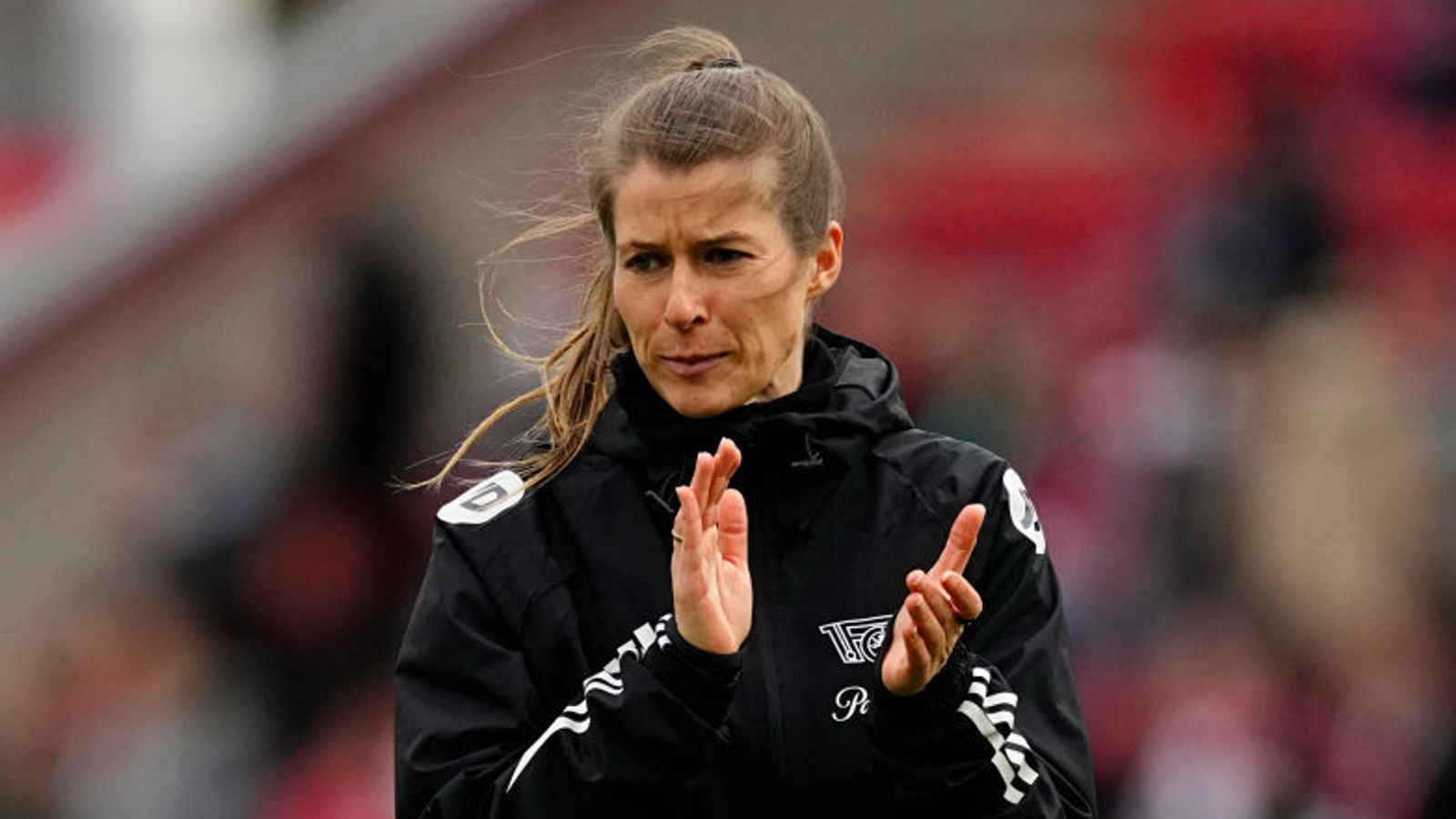
The current state of the club remains sobering for supporters expecting a push toward the playoffs. Unlike the historic movement currently shaking up European leagues, such as Marie-Louise Eta taking charge at Union Berlin, this Montreal move is purely reactive. It is a standard fire-drill in professional football when the results chart flatlines.
Historical data suggests that mid-season coaching changes rarely yield an instant title challenge. Instead, the goal for Eullaffroy is to stop the bleeding before the summer window opens. He needs to secure results against mid-table opposition to validate his interim appointment and keep the club within shouting distance of the playoff line.
A critical observation: changing the head coach does not solve the underlying roster flaws. Donadel’s departure might fix the energy levels in training, but the squad lacks the depth required for a deep run. If the front office expects a major turnaround without addressing key personnel gaps, they are setting Eullaffroy up for a difficult summer.
The league has little sympathy for teams that start slow. Montreal needs to find a winning formula before the weather turns and the season hits the midway point. Their next few matches will determine if this firing was a correction or merely a delay of the inevitable.