The end of an underwhelming era in Oregon
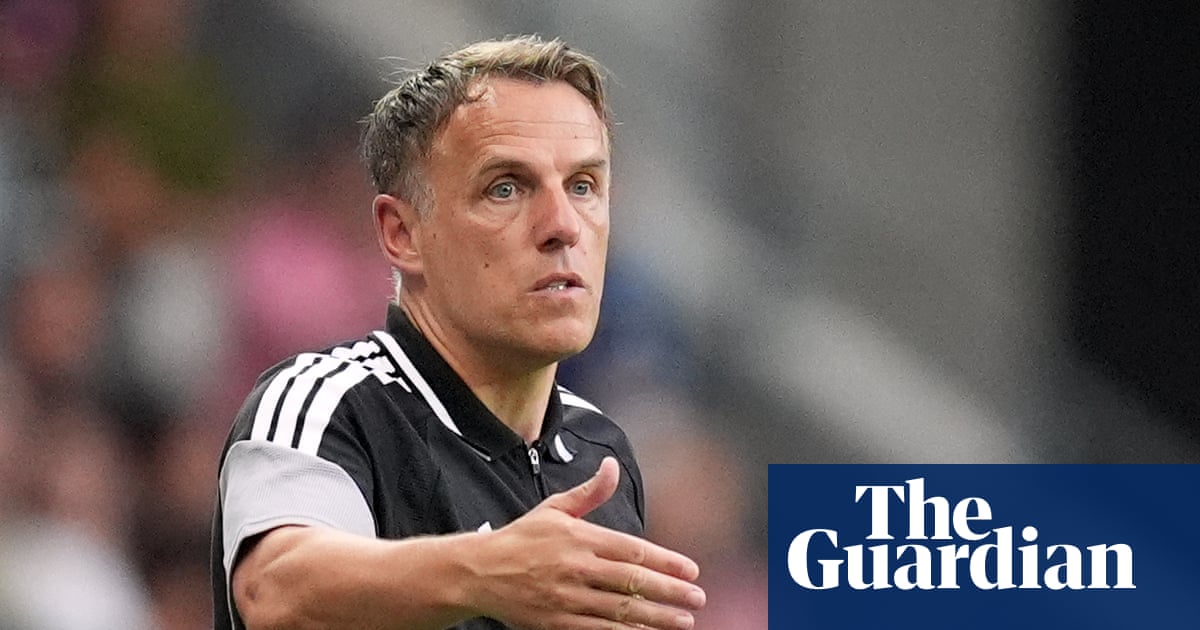
Phil Neville’s tenure at Providence Park has reached a quiet, inevitable conclusion. With the club languishing in 13th place within the Western Conference, the announcement that Neville and the Portland Timbers have mutually parted ways brings an end to a period defined more by friction than tactical fluidity.
As The Guardian reported yesterday, the result-based pressure finally became insurmountable. A manager cannot survive long when the underlying metrics consistently drift away from the eye test. The team failed to establish a coherent identity, often struggling to balance attacking intent with a notoriously leaky defensive structure.
Tactical failure and the missing defensive spine
The core issue during this spell was the absence of a reliable pivot in transition. Neville attempted to implement a high-pressing system, but without the necessary personnel to recover the ball in the wide areas, the Timbers were exposed time and again on the counter-attack. The gap between the defensive line and the midfield block reached 22 meters on average during recent league losses, effectively gifting space to opponents.
Watching the Timbers this season felt like observing a team perpetually confused about its own defensive trigger. When they lost possession in the final third, the recovery run was rarely synchronized. This lack of structure meant central defenders were left isolated, facing numerical disadvantages that good MLS opposition exploited within seconds of a turnover.
What happens to the Timbers now?
The coaching search starts today, but the roster imbalances remain the primary hurdle for the incoming staff. Portland possesses individual talents capable of moments of brilliance, yet the collective setup rarely allowed them to dictate a match for a full 90 minutes. Relying on sporadic flashes of brilliance is not a sustainable model.
The club hierarchy has a difficult task ahead of the upcoming summer window. With the 2026 World Cup looming on the horizon, squad depth will become a factor for many sides, and Portland needs a manager who can stabilize the ship before the season slips into complete irrelevance. The decision to cut ties now—at a win percentage well below expectations—was the correct analytical choice.
My prediction for the Portland transition
Expect a temporary period of conservative play. The interim staff will likely anchor the team in a low block to stop the defensive hemorrhaging. Regardless of who takes the permanent clipboard, the priority for the next eighteen months is fixing the spacing in middle-third transitions. If they continue to leave such enormous gaps between the lines, even the most talented tactical hire will find themselves out of a job by this time next year.