The golden generation of Cobham
It is officially late March 2026. We are gearing up for the Champions League quarter-finals, and everyone is hyper-analyzing the next generation of teenage prodigies. But before we crown the next big thing, we need to talk about the ghosts of Cobham.
To truly understand the tragedy of Charly Musonda, you have to transport yourself back to the mid-2010s at Chelsea's training facility. The academy was an absolute factory. Roman Abramovich was treating the youth setup like his own personal Football Manager save with unlimited funds.
They were hoarding trophies like Thanos collecting Infinity Stones. The talent pool was genuinely absurd. You had Tammy Abraham scoring goals for fun. You had Dominic Solanke looking like the second coming of Alan Shearer before the inevitable reality check.
But even in that ridiculous locker room, there was a clear hierarchy. Everyone knew who the main event was.
Charly Musonda was the undisputed star. Chelsea had famously poached him from Anderlecht, bringing his two older brothers along just to secure his signature. It was a classic oligarch flex.
He was a slight, incredibly agile attacking midfielder with a penchant for absolute humiliation. He didn't just beat defenders. He broke their ankles and sent them to the shadow realm. He was entirely two-footed, possessed explosive acceleration, and had a level of technical arrogance that drew immediate comparisons to Eden Hazard.
If you were a Chelsea fan in 2015, you weren't watching the first team for hope. You were watching grainy YouTube clips of Musonda terrorizing teenagers on a Tuesday afternoon. The hype was deafening. He was the one destined to break the John Terry curse and become a permanent fixture at Stamford Bridge.
The Spanish illusion
But raw talent is rarely enough at a club that demands instant success. Chelsea's business model at the time was notoriously ruthless. They operated a sprawling loan army.
The strategy was simple. Hoard the best teenagers in Europe, stash them in random leagues across the continent, and see who survives the Hunger Games. It was a chaotic, unforgiving meat grinder.
Musonda was shipped off to Real Betis in January 2016. For a brief, shining moment, it looked like an absolute masterstroke.
He made his debut against Gary Neville's doomed Valencia side. He was magnificent. He won Man of the Match, completed impossible dribbles, and immediately won over the notoriously demanding Benito Villamarín crowd.
When he first broke through, the global media coverage framed him as the absolute future of the sport. The Spanish game, with its emphasis on technical proficiency over brutal physicality, seemed tailor-made for his skill set. He was drawing fouls, dictating play, and operating with a massive smile on his face.
Then the brutal reality of professional football intervened. Managers get sacked. Systems change.
Gus Poyet arrived at Betis. The team was struggling for results, and the tactical setup became significantly more rigid. Suddenly, a lightweight teenage winger with defensive liabilities was no longer a luxury Betis could afford.
His minutes dried up entirely. The momentum he had built vanished overnight. He was eventually recalled to London, having learned a harsh lesson about the fragility of a loan move. You are entirely at the mercy of another club's short-term panic.
Glasgow and the physical toll
Chelsea needed a new plan. They sent him to Celtic on an incredibly ambitious 18-month loan deal. It sounded perfect on paper.
Brendan Rodgers was managing a dominant Celtic side, they were playing expansive football, and Musonda would get a taste of European nights at Celtic Park.
It was an unmitigated disaster.
Scottish football is a totally different beast. It is fast, relentless, and notoriously physical. Every away trip to a frozen pitch in December is a literal street fight. Musonda arrived with a massive reputation, but he looked completely out of his depth physically.
Rodgers demanded an intense tactical discipline. He needed his attackers to press intensely off the ball and track back relentlessly. Musonda simply couldn't, or wouldn't, adapt to those demands.
He looked lost in the SPFL. Defenders realized very quickly that if you hit him hard early in the game, he would completely fade into the background.
He made a handful of unremarkable appearances. The grand 18-month deal was unceremoniously ripped up after just a few months. He returned to Cobham with his confidence absolutely shattered. The narrative among scouts began to shift. The wonderkid was suddenly being labeled a luxury player who couldn't handle the men's game.
The destruction of a body
If the disastrous loan spells derailed his career trajectory, his body ultimately destroyed it entirely.
In 2018, Musonda was sent to Vitesse Arnhem. This was the classic Chelsea pipeline. Dozens of academy graduates had made the trip to the Eredivisie club over the years. It was supposed to be a safe, familiar environment to rebuild his shattered confidence.
Instead, his knee completely gave out.
He suffered a gruesome posterior cruciate ligament injury in a meaningless behind-closed-doors friendly. A PCL tear is one of the most devastating injuries a footballer can endure. It is significantly rarer and often more complicated to fix than an ACL tear.
It wasn't just a physical recovery. It was a grueling, lonely, psychologically exhausting nightmare.
He essentially played 15 minutes of competitive football across three entire years. From 2019 to 2022, he was a ghost in the footballing world.
There were occasional, heartbreaking social media updates. He posted videos of himself doing basic mobility exercises in empty gyms.
At one point, he published an emotional message heavily implying that doctors had given him a 20 percent chance of ever playing professionally again. The mental resilience required to endure multiple surgeries, endless setbacks, and years of isolation is staggering.
But professional football does not wait for anyone. The game moved on without him.
The silent exit
Chelsea eventually released him in the summer of 2022. There was no grand farewell at Stamford Bridge. There was no tribute video on the club's social media channels.
It was just a quiet, administrative exit out the back door for a player who was once valued in the tens of millions.
He ended up signing for Levante in the Spanish second division. The explosive pace that defined his youth was completely gone. The agility that allowed him to slip past tackles had been chipped away by the surgeon's knife. He barely featured.
Things got stranger from there. He reportedly went on trial at Belgian club Zulte Waregem, only to allegedly go missing before a scheduled training session, leaving the club completely baffled.
He eventually surfaced in Cyprus, signing for Anorthosis Famagusta. It is a desperately sad reality. A far cry from the Champions League finals he was supposed to be dominating.
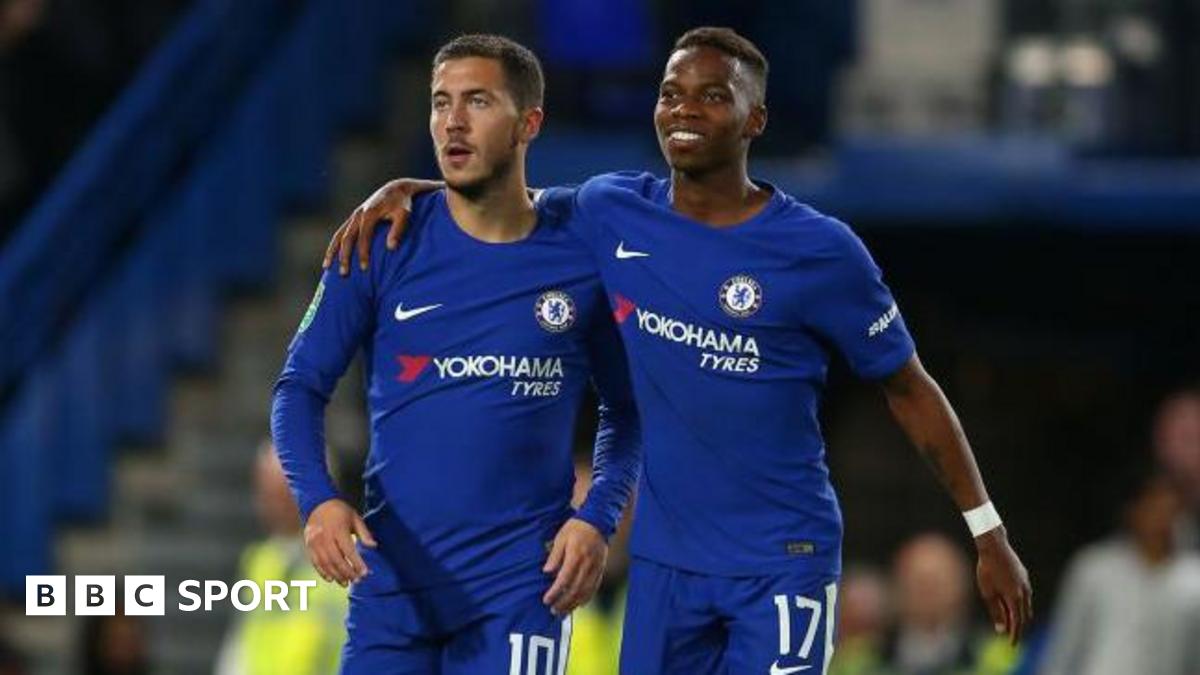
As the BBC recently noted in their retrospective, his career trajectory is entirely heartbreaking:
Charly Musonda could have been a household name but his story is one of frustration and unfulfilled potential.
We are obsessed with wonderkids. We demand that teenagers carry the weight of billion-dollar clubs on their shoulders. We watch their highlight reels and assume their path to greatness is entirely linear.
But we rarely acknowledge the brutal variables involved. You need the right manager to trust you. You need a loan club that actually cares about your development. You need a tactical setup that hides your flaws. And most importantly, you need your body to survive the sheer violence of the professional game.
Charly Musonda did not fail because he lacked talent. He had more natural ability in his right foot than most Premier League squads possess entirely.
He was let down by a deeply flawed hoarding system at Chelsea, a disastrous mismatch at Celtic, and some of the worst injury luck imaginable. It is a bitter, cynical reminder of how fragile a football career truly is. The next time you watch an 18-year-old light up a youth tournament, remember the boy who had everything, until the game took it all away.