The Psychological Diagnosis
Chelsea isn't suffering from a lack of talent or a missing tactical blueprint. The issue is deeper, residing in the collective synapses of a squad that forgets how to play the moment things go sideways. As Kieran Gill reported, this group doesn't need heart surgery; they need brain surgery. The mentality within the dressing room has become a chronic condition that surfaces every time a complication arises.
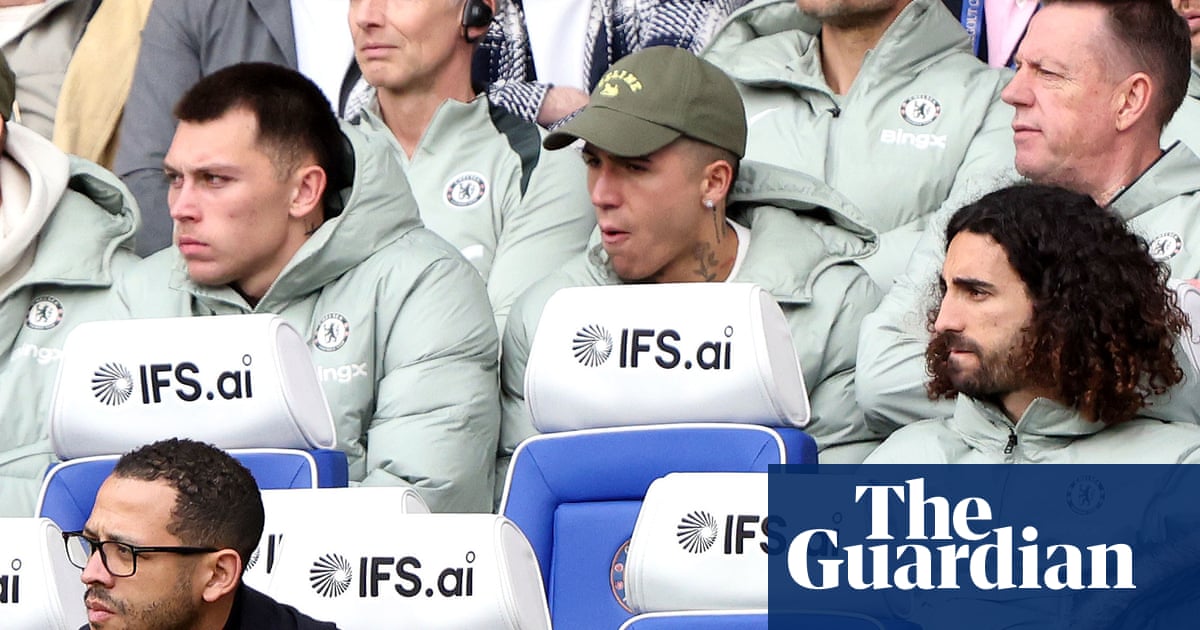
The symptoms are visible to anyone watching. One missed chance or a refereeing decision against them, and the sulking begins. There is a fragility here that suggests the squad cannot cope with the basic friction of professional football. It is a psychological flaw that has effectively benched their progress, regardless of who is standing in the technical area.
This isn't just a run of bad form. It is a fundamental inability to deal with difficulties. In a high-pressure environment like the Premier League, that kind of mental soft spot is the equivalent of playing with a torn ligament. You can strap it up for a game or two, but eventually, the structure collapses under the weight of the season.
The Financial Haemorrhage
While the mental state of the players is under fire, the club's balance sheet is in even worse condition. Chelsea's most recent financial accounts for the 2024/25 season are a disaster. They spent significantly more than they earned, creating a fiscal wound that requires immediate cauterization. The club has no choice but to adopt a selling-club model immediately to avoid severe regulatory sanctions.
This financial trauma isn't a surprise, but the scale is staggering. When a club of this size is forced into a fire sale, they lose all leverage in the market. Rivals know they are desperate. Every academy graduate is no longer a prospect to be nurtured, but an asset to be liquidated for pure profit. It is a strategy born of necessity, but it is gutting the soul of the club.
The necessity of these sales creates a vicious cycle. To balance the books, you sell the players who actually care about the badge—the ones who provide the leadership the squad so clearly lacks. You are essentially selling the immune system to pay for the hospital bed. It is a short-term fix for a long-term systemic failure.
The Leadership Void
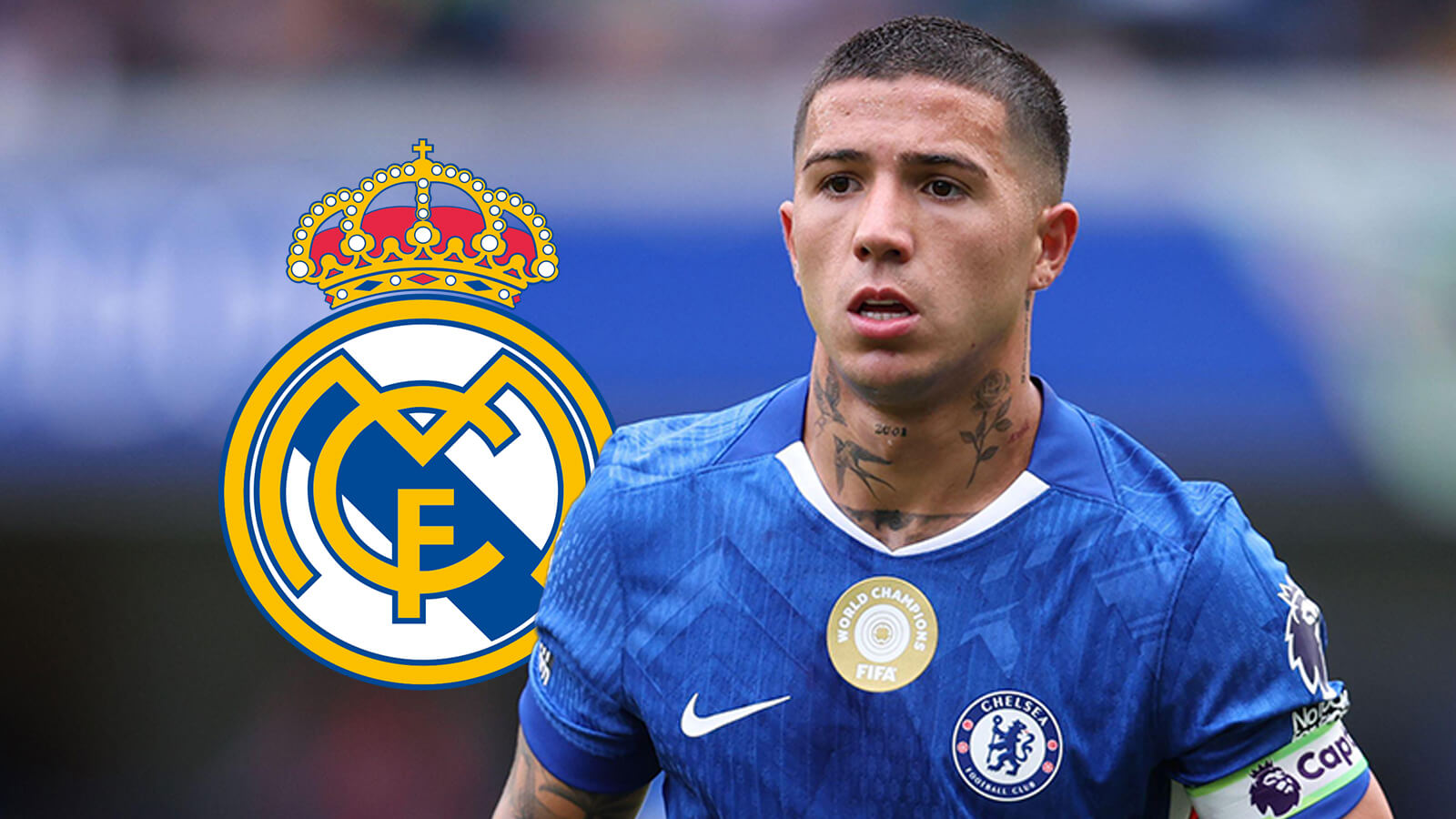
Joe Cole hasn't held back on this strategy. He recently slammed the club for selling an £18m star who he believed could have captained the side. Cole’s frustration reflects a broader concern among the fanbase. When you strip away the players with natural leadership qualities, you are left with the 'sulking' culture Gill described.
Chelsea do not need heart surgery, but brain surgery. The mentality is not there. One setback and the sulking starts.
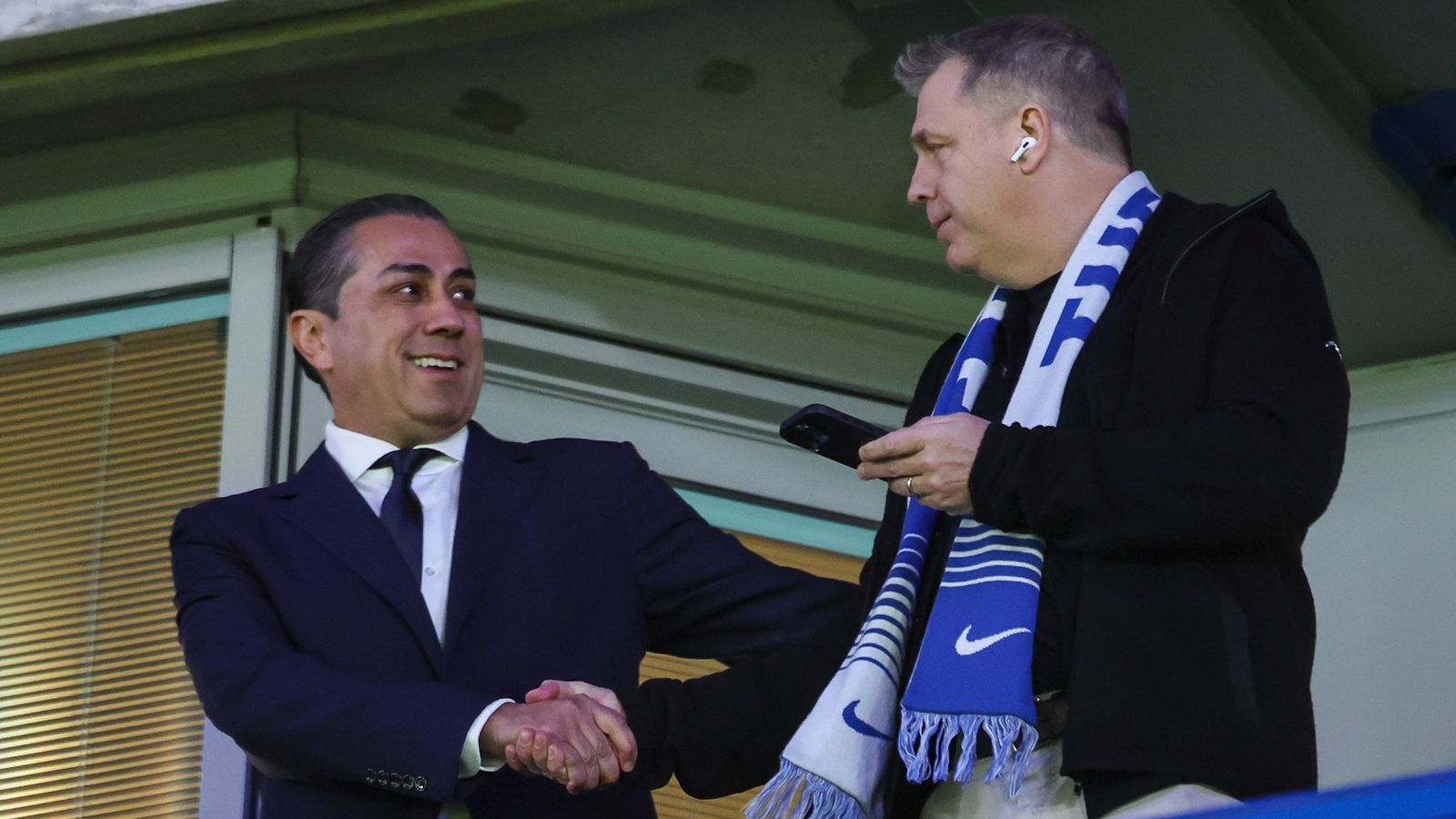
The contrast in leadership is even more jarring when you look at the club’s legends. John Terry is reportedly moving into club ownership, with FourFourTwo reporting his interest in a League Two side. Terry, who built his career on resilience and mental toughness, is investing his riches back into the English pyramid while his former club struggles to find a single player who can lead a huddle.
Terry's net worth, boosted by savvy moves like selling a Ronaldo shirt for a massive sum, allows him this luxury. Meanwhile, Chelsea is counting pennies to stay within PSR limits. It is a bizarre role reversal. The icons of the past are moving into the boardroom, while the current crop of players can't even move past a missed pass without dropping their heads.
The Cole Palmer Precaution
With the FIFA World Cup 2026 kicking off on June 11, the management of star players is becoming a medical priority. There is a growing argument that Cole Palmer should stay home. This isn't necessarily about a physical injury, but about protecting the one functional part of the Chelsea machine from the toxic environment surrounding it.
Palmer has been the lone bright spot, but even he is at risk of being dragged down by the collective malaise. If he goes to the World Cup after a season of carrying this mentally fragile squad, the risk of burnout—both physical and psychological—is immense. He needs a total reset, away from the complications and the sulking that have defined the Chelsea campaign.
England manager Lee Carsley has a difficult decision. Do you take your most creative spark, knowing he’s spent ten months in a psychological war zone? Or do you leave him behind to ensure he’s fit for the 2026/27 season? Given the 'brain surgery' required at Cobham, a summer of silence might be the best medicine for Palmer's long-term health.
Strategic Fallout and Rival Movements
While Chelsea attempts to manage its internal crisis, their rivals are moving with purpose. Aston Villa is reportedly monitoring a Manchester City and England star for a potential summer move. This shows a level of strategic planning that Chelsea is currently incapable of. Villa is looking to upgrade from a position of strength, even as Emi Martinez faces an uncertain future.
Martinez made no secret of his desire to leave Villa Park last summer, attracting interest from Manchester United and Atletico Madrid. The fact that Villa is already looking for replacements shows a proactiveness that contrasts sharply with Chelsea’s reactive chaos. One club is planning for the next three years; the other is trying to survive the next three weeks.
The market impact of Chelsea’s fire sale will be felt across the league. Every major club is waiting for the 'Everything Must Go' sign to be hung outside Stamford Bridge. This isn't just about Chelsea losing players; it's about the competitive balance of the league shifting. They are effectively subsidizing the squads of their rivals because they couldn't manage their own mentality or their own money.
The Verdict on Recovery
Can Chelsea recover? Not without the radical intervention Gill suggested. You can sign all the talented teenagers in the world, but if the culture is one of sulking and fragility, you are just adding more fuel to the fire. The leadership void left by the sale of established players is a wound that won't heal with time alone.
The financial constraints mean they can't even buy their way out of this mess. They are trapped in a cycle of selling their best characters to pay for their worst mistakes. It is a bleak outlook for a club that was, until very recently, the gold standard for winning at any cost. Now, the cost is simply too high, and the players aren't willing to pay it on the pitch.
Expect a summer of massive turnover. More than five first-team regulars will likely be offloaded to satisfy the accountants. Whether the ones who remain can undergo the 'brain surgery' required is the biggest question in London. If they don't, the 2026/27 season will be just as painful as this one, regardless of how much money they manage to scrape together from the fire sale.