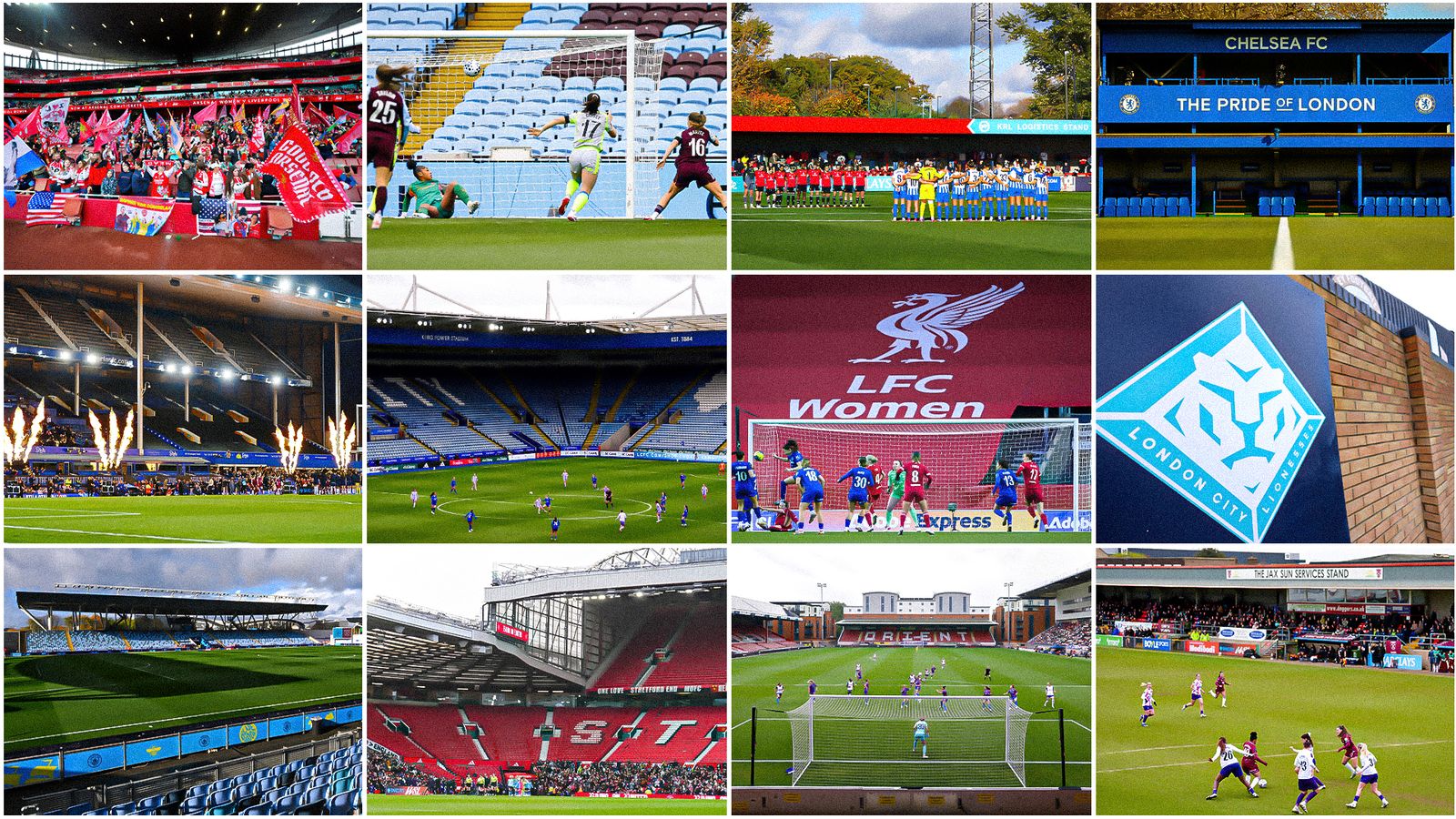
The Bridge is the new home for Chelsea Women
Chelsea dropping the news that they are abandoning Kingsmeadow for Stamford Bridge full-time next season is the kind of move that either wins you a league title or leaves you playing in a cavernous, half-empty cathedral. The board is calling it an ambition to be the biggest women’s sports club on the planet, but anyone who has spent a Tuesday night at a half-filled stadium knows that size isn’t everything.
As The Guardian reported, the club claims this decision to move out of their longtime home is for every player who has worn the shirt. It’s a noble sentiment, sure. But there is a massive gap between checking a box for corporate intent and actually driving 40,000 people to SW6 on a rainy November afternoon.
The enthusiasts vs. the skeptics
The optimism in the fan groups is infectious, if a bit naive. The diehards are already planning pre-match pints at the Butcher’s Hook, convinced that moving to a 40,000-seat venue is going to turn Chelsea into a global powerhouse overnight. They see the BBC coverage of the announcement and see only upward mobility and a clearer path to selling out marquee fixtures against Arsenal or Manchester City.
Then you have the cynics who think this is pure madness. One vocal poster in the forums noted that Kingsmeadow had a soul, a density that made it feel like a fortress. Pushing a fanbase that has spent years huddled in a compact ground into a concrete bowl is a risk that could kill the atmosphere entirely if the team isn't winning every single week.
The contrarians are just here for the chaos. They are the ones pointing out that history is littered with teams who thought 'build it and they will come' was a viable business model. If you don't fill those seats, the optics of 30,000 empty blue plastic chairs are going to be a PR disaster compared to a sold-out 4,800 capacity at Kingsmeadow. It’s the difference between a riotous pub and a sterile boardroom.
The reality of the move
Let’s look at the numbers. Arsenal has managed this transition with varying degrees of success, but they have a distinct London advantage that Chelsea will need to mirror. The club is betting the 36-day buffer before the end of the season allows them to prep the logistics, but logistics don't win matches. The players are being thrust into a bigger environment where the pressure to perform at a higher volume increases significantly.
Is it the right call? Honestly, if you aren't trying to expand, you're dying. The women’s game is growing fast and stagnant clubs get left behind by rivals with deeper pockets and flashier stadiums. Staying at Kingsmeadow was becoming a glass ceiling. Moving is the only way to test if the sport can actually command the mainstream attention the executives are chasing.
However, the transition needs more than just a change of address. As Tara Anson-Walsh pointed out, the risk of having a fanbase swallowed whole by the sheer scale of the Bridge is very real. If the user experience doesn't match the grander venue, the casuals who turn up once won't come back. You can't replicate a passionate local haunt in a stadium that feels like a transit hub unless you work twice as hard.
My take? It’s a necessary headache. You take the growing pains now for the chance to own the city later on. The atmosphere will suffer in the short term, but that’s the price you pay for wanting to be the biggest club in the world. Being comfortable is for mid-table clubs. If Chelsea wants the crown, they have to deal with the pressure of a big-ticket stage even when the stadium isn't quite ready for the spectacle. Just don't blame the fans when they miss the intimacy of the old spot.