Tactical chaos comes to West London
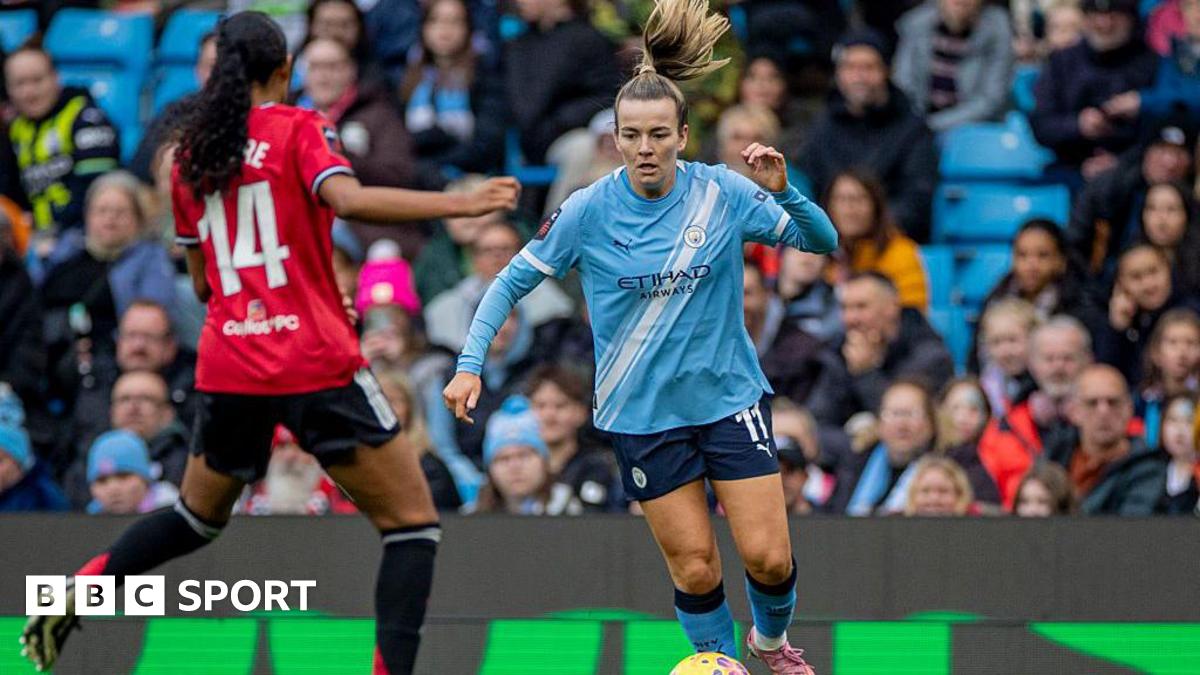
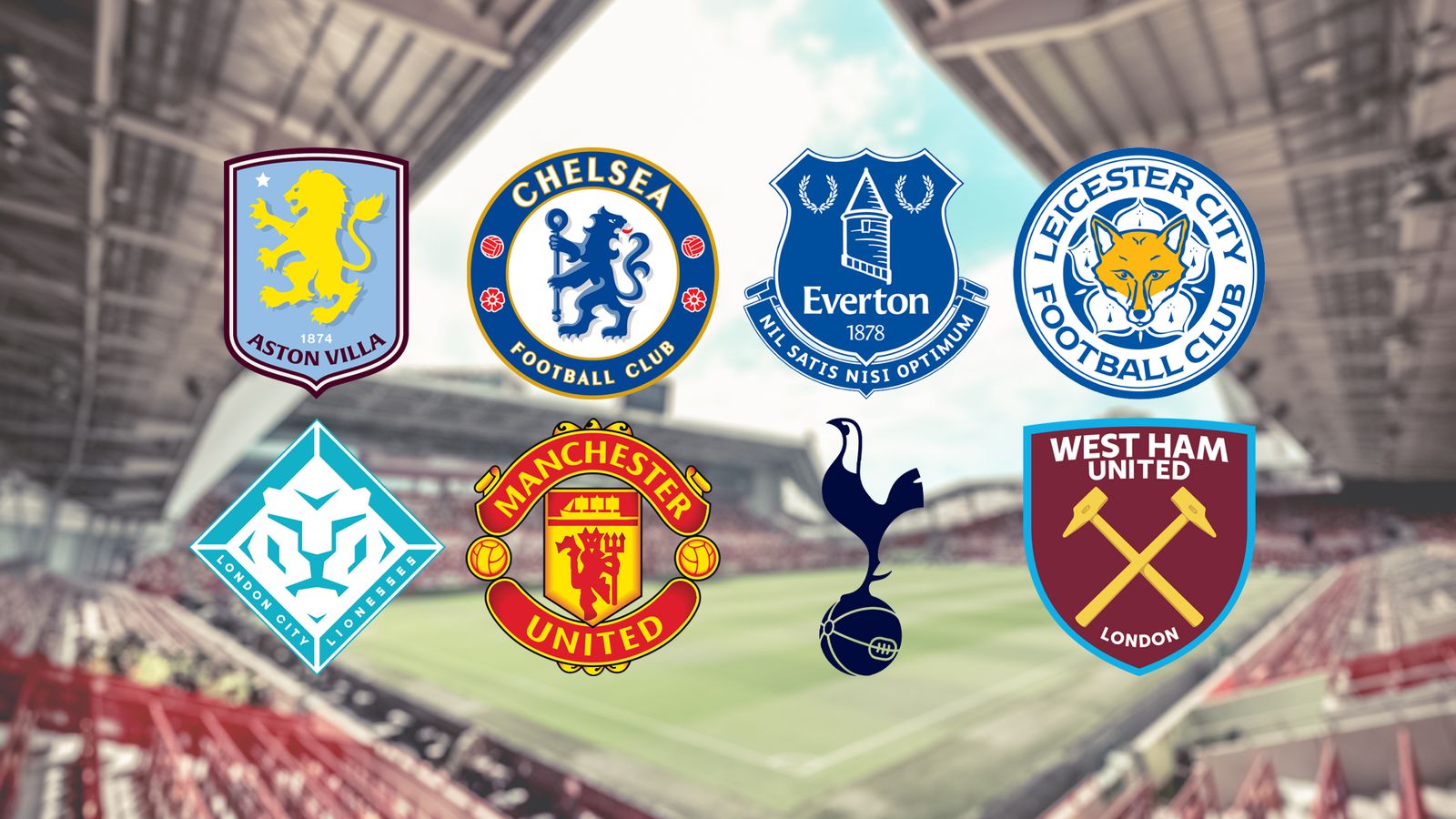
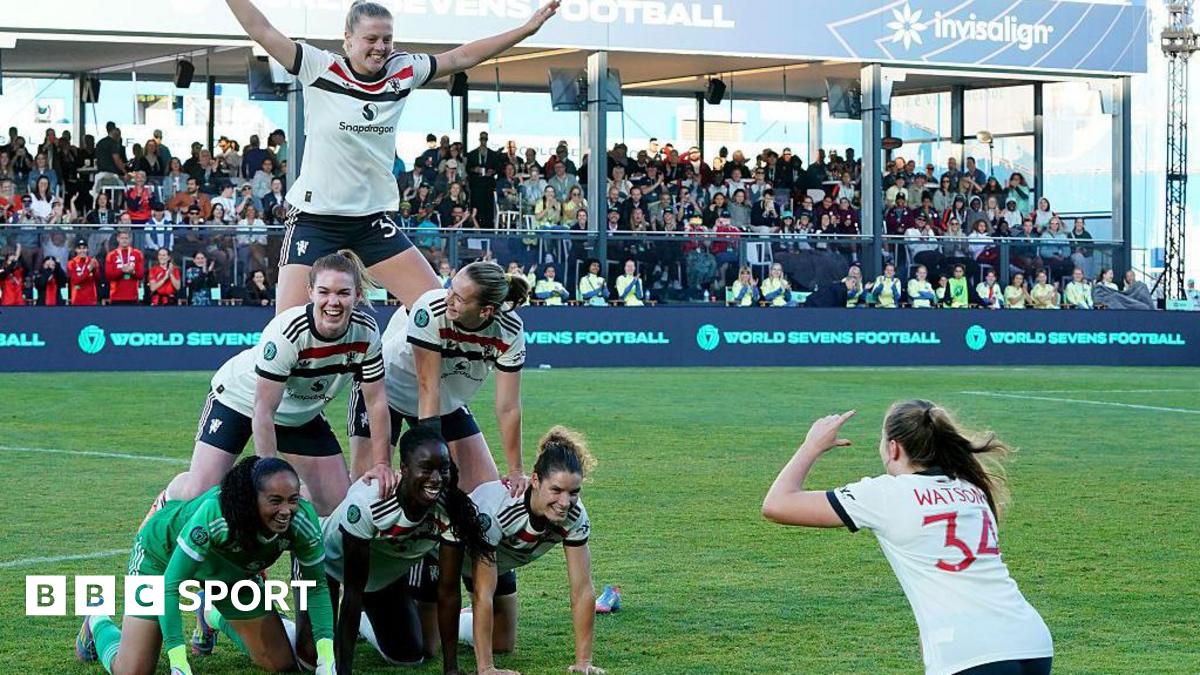
The Gtech Community Stadium has seen some frantic Saturday afternoons since Brentford made their way into the top flight, but nothing quite compares to the frantic nature of Sevens. This summer, the stadium shifts its focus as the Women’s World Sevens tournament takes over, bringing a brand of football that prioritizes individual brilliance over rigid tactical shapes. With six WSL teams now confirmed, including Manchester United and Tottenham, the stakes are quietly climbing for a tournament that many originally dismissed as a mere exhibition.
Sevens isn't just a condensed version of the game we watch every weekend. It is a grueling, high-speed test of aerobic capacity and one-on-one technical skill. Without the safety net of a four-man defensive line or a deep-lying playmaker to recycle possession, every mistake is magnified. A heavy touch in the center circle doesn't just lose the ball; it creates an immediate three-on-one counter-attack that usually ends with the ball in the back of the net.
Why the Gtech is the perfect pressure cooker
Brentford’s home is one of the most atmospheric modern grounds in the country because of its tight corners and proximity to the pitch. In a Sevens format, that intimacy becomes a weapon. Players can hear every shout from the dugout and every groan from the stands. There is no place to hide when you are gasping for air in the 14th minute of a high-intensity burst. The pitch dimensions will be adjusted, but the intensity will only increase as the space opens up for the league’s fastest wingers.
Hosting this event at a dedicated Premier League venue shows how far the commercial side of the women’s game has moved. This isn't being tucked away at a training ground or a local park. As the BBC reported, the confirmation of heavy hitters like Aston Villa and West Ham ensures that the quality on the pitch will match the ambition of the organizers. It’s a gamble on a format that hasn't always found a permanent home in the footballing calendar, but the timing feels right.
The contenders and the pretenders
Manchester United enter this tournament with the most to prove and perhaps the most to lose. Their season has been a rollercoaster of brilliant individual displays masked by a lack of cohesive identity in the bigger games. In a Sevens environment, those individual stars—the ones who can beat a marker with a single step-over—are given total freedom. If United can’t dominate this format with the depth of talent they possess, questions about their tactical flexibility will only grow louder.
Tottenham Hotspur might be the dark horse in this race. Under their current philosophy, they value high-energy pressing and quick transitions, which translates perfectly to a smaller pitch. They don't rely on a traditional target man to hold up play; they want to move the ball through the thirds with one-touch passing. In a Sevens match, that kind of chemistry is worth more than any marquee signing. Watch for Spurs to exploit the tired legs of teams that haven't prepared for the sheer volume of sprinting required.
The physicality of West Ham and Villa’s technical edge
West Ham and Aston Villa represent two very different approaches to this tournament. The Hammers have built a reputation on being difficult to play against, using physicality and set-piece dominance to grind out results. That might be harder to execute when you have fewer bodies in the box to create chaos. They will need to find a way to adapt their grit to a game that rewards finesse and speed over raw strength.
Villa, on the other hand, should thrive. They have players who look like they were born to play in tight spaces. Their technical ceiling is high, and they rarely panic when under pressure. The concern for Villa is always their defensive transition. If they commit too many bodies forward in search of a highlight-reel goal, they will be picked apart by the more disciplined sides. It’s a delicate balance that often tilts toward disaster in the closing stages of a Sevens half.
The injury shadow over the World Cup
We have to address the elephant in the room. With the FIFA World Cup 2026 kicking off in just 50 days, there is a legitimate fear that this tournament could become an injury trap. High-intensity sprinting on a modified pitch is exactly the kind of environment where hamstrings and ACLs are put under maximum stress. While fans want to see the best players on the pitch, many club managers will be watching through their fingers every time a star player goes into a sliding challenge.
Is it responsible to schedule a high-stakes tournament this close to the biggest event in international football? Probably not. It feels like a scheduling oversight that values commercial eyes over player welfare. If a key player for England or the US misses out on the trip to North America because of a freak injury at the Gtech, the backlash will be swift and justified. It’s a cynical observation, but professional football has a habit of squeezing the players until they break.
What to watch for on opening day
Keep an eye on the goalkeeper's role. In Sevens, the keeper isn't just a shot-stopper; they are the primary playmaker. Expect to see keepers playing almost as a third defender, stepping out of their area to create overloads. It’s a high-risk strategy that will lead to at least one embarrassing goal from the halfway line, but it’s the only way to break down a disciplined defensive block.
The fatigue factor will also be fascinating. Traditional 11v11 players often underestimate how much the stop-start nature of Sevens drains the tank. By the second half of the afternoon session, the tactical plans usually go out the window, replaced by a desperate scramble for possession. This is when the real characters emerge—the players who can still find a pass when their lungs are burning.
A prediction for the Gtech trophy
While Manchester United have the names, I am putting my money on Tottenham to walk away with the trophy. They have the right blend of youthful energy and a system that isn't dependent on a single superstar. Their collective movement is more advanced than what we’ve seen from West Ham or Villa lately. They will frustrate teams by keeping the ball for long periods and then striking when the opposition’s press inevitably fails.
Expect a final scoreline in the region of 4-2 in the championship match. It won't be a defensive masterclass, but it will be entertaining. The tournament is a bold move for the WSL teams involved, and while the injury risks are terrifyingly high, the football itself should be a breath of fresh air. Just don't expect the managers to be smiling as much as the fans in the stands.