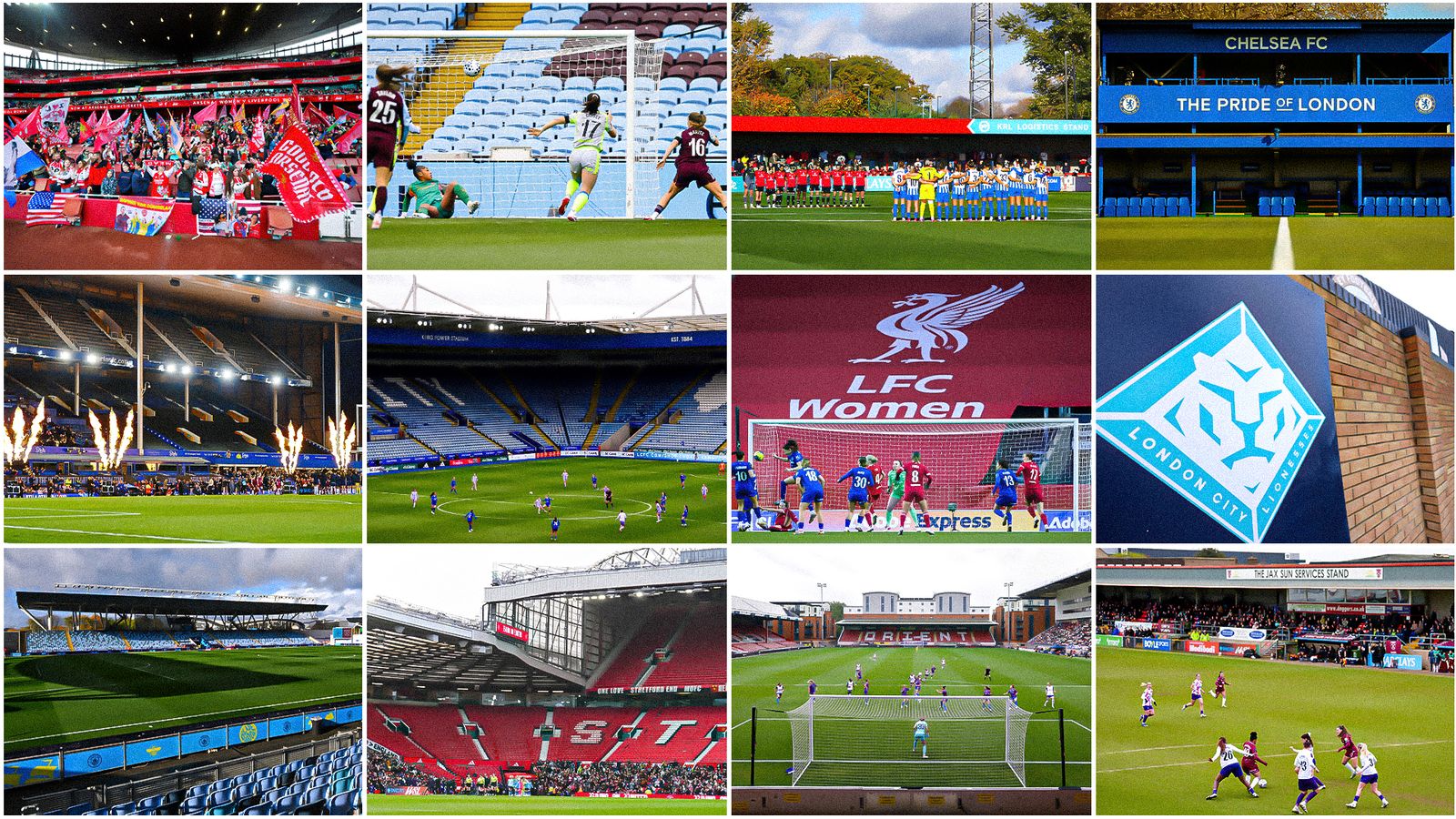
The identity crisis of women's football infrastructure
We need to have a very honest, very loud conversation about where the Women’s Super League is going, because right now, it feels like a teenager who just had a massive growth spurt and realized none of their clothes fit. We are currently sitting in late April, the UCL semi-finals are four days away, and the hype for the women’s game has never been higher. Yet, most weeks, we are still watching some of the best athletes on the planet play on pitches that look like they were borrowed from a Sunday league side with a serious drainage problem.
The current situation is a mess of contradictions. On one hand, you have Arsenal turning North London red and packing out the Emirates. On the other, you have teams still trekking out to remote outposts like Boreham Wood or Dagenham, playing in front of stands that look like they were built during the height of the Cold War. It is a massive disconnect that the new governing body, NewCo, has to fix before the league loses its soul to the corporate abyss of empty 60k-seater stadiums.
If you look at Sky Sports’ latest deep dive into the stadium dilemma, the cracks are starting to show. It is not just about having enough seats; it is about the entire experience of being a fan. Nobody wants to spend two hours on a train to a town they can't find on a map just to sit on a metal bench in the rain. That is not growth. That is just surviving.
The Arsenal illusion is blinding us to the truth
Arsenal are the outliers. They are the golden child. They have managed to make the Emirates feel like the permanent home of the women’s team, but we have to stop pretending every club can just flip a switch and do the same. When Chelsea play at Kingsmeadow, it is loud, it is cramped, and it feels like a proper football match. When they move to Stamford Bridge for a one-off game, sometimes the atmosphere evaporates faster than a club's transfer budget in August.
The problem is the missing middle. In English football, you either have 5,000-capacity non-league grounds or 40,000-capacity Premier League monsters. There is almost nothing in between. We are missing those 15,000-capacity, modern, purpose-built venues that would actually serve the WSL properly. The league needs a home, not a guest bedroom in a men’s stadium that they have to vacate whenever the big boys need the grass mowed.
As reported by Sky Sports analysts, the pressure is mounting on clubs to find a solution that doesn't involve ground-sharing with three different rugby teams and a local school. The Joie Stadium in Manchester is a rare example of getting it right, but even that is starting to feel small for a club with the ambitions of City. They are outgrowing their own solutions before the ink is even dry on the blueprints.
The plastic pitch war and the professionalism trap
Let’s talk about the grass—or the lack of it. The WSL is moving toward a mandate that requires grass pitches, which sounds great in a boardroom. It’s professional. It’s what the players want. But it is also a logistical nightmare for the clubs at the bottom of the table. If you are West Ham or Leicester and you are being told you can’t use a hybrid or plastic pitch because it isn’t "elite," you are essentially being told to find £20 million for a new stadium or get out.
This is the classic gatekeeping that happens when a sport professionalizes too fast. The big four—Arsenal, Chelsea, City, and United—can afford to dictate the terms. They have the deep pockets of their men’s counterparts to bail them out. But for the rest of the league, this stadium mandate feels like a noose. They are being priced out of their own competition by standards that were designed for teams with ten times their revenue.
Scheduling is the other nightmare. We’ve seen games postponed because a men's cup game took priority, or because the pitch was chewed up by a mid-week fixture that the women’s team had no control over. You cannot call yourself a world-class league when your schedule is dictated by who is playing in the EFL Trophy on a Tuesday night. It is embarrassing, and it makes the league look like an afterthought.
Why the 2026-27 season is the ultimate deadline
We are currently staring down the barrel of the 2026-27 season, which is when many of these new infrastructure requirements are supposed to kick in. That is only a year and change away. If you think clubs are going to magically sprout new stadiums in that timeframe, I have a bridge in West London to sell you. We are heading for a collision between ambition and reality, and the fans are the ones who are going to get hit.
The NewCo leadership needs to stop producing glossy brochures and start looking at the actual geography of the fanbases. Fans in London are spoiled for choice, but if you look at the North West or the Midlands, the travel times are a joke. We are asking families to commit to six-hour round trips for a 90-minute game. In what world is that a sustainable model for a growing sport? It’s not. It’s a recipe for burnout.
The attendance figures for the average WSL game still hover around 3,000 when they aren't at the big stadiums. That is the reality. Jumping from 3,000 to 60,000 isn't a progression; it’s a stunt. We need to fill the 10,000-seaters first. We need to build a culture where the stadium is a fortress, not a cavernous bowl where you can hear the players shouting at the ref from the top tier.
The negative reality of the "Multi-Use" lie
Every time a club announces a new stadium plan, they use the phrase "multi-use community hub." That is code for "we couldn't afford to build this just for football, so we're going to host corporate away days and cat shows here to pay the light bill." This watered-down approach is exactly why the atmosphere at some of these newer grounds feels so sterile. It’s not a football ground; it’s a glorified leisure center with some grass in the middle.
There is a cynical edge to how some of these clubs are handling their women’s teams. They want the PR boost of saying they support the women’s game, but they don't want to actually invest in the foundations. They are happy to let the team play in a shed until a big game comes along, then they play the hero by opening the main stadium for one afternoon. It is performative support, and the players deserve better than being treated like a traveling circus act.
Ultimately, the WSL is at a crossroads. It can either become a legitimate, independent powerhouse with its own identity and its own homes, or it can remain a subsidized appendage of the Premier League, forever begging for a slot on the main pitch. If NewCo doesn't get the stadium strategy right by the 87th minute of this current growth phase, we are going to see a league that looks great on Instagram but feels empty on a cold Sunday in January.
Stop the stunts and start building
We don't need more "record-breaking" one-offs that are padded out with free tickets given to local schools. We need 100% commitment to infrastructure that belongs to the women’s game. If that means the FA or NewCo has to subsidize the construction of mid-sized stadiums across the country, then so be it. They have the money; they just need the guts to spend it on something that isn't a marketing campaign.
The fans are ready. The players are world-class. The only thing missing is a place to play that doesn't feel like a compromise. Until we fix the stadium problem, the WSL will always be the league of "what if" rather than "what is." It’s time to stop talking about the future and actually start laying the bricks. Because right now, the foundation is looking pretty shaky, and the clock is ticking toward a 2026 deadline that nobody seems ready for.