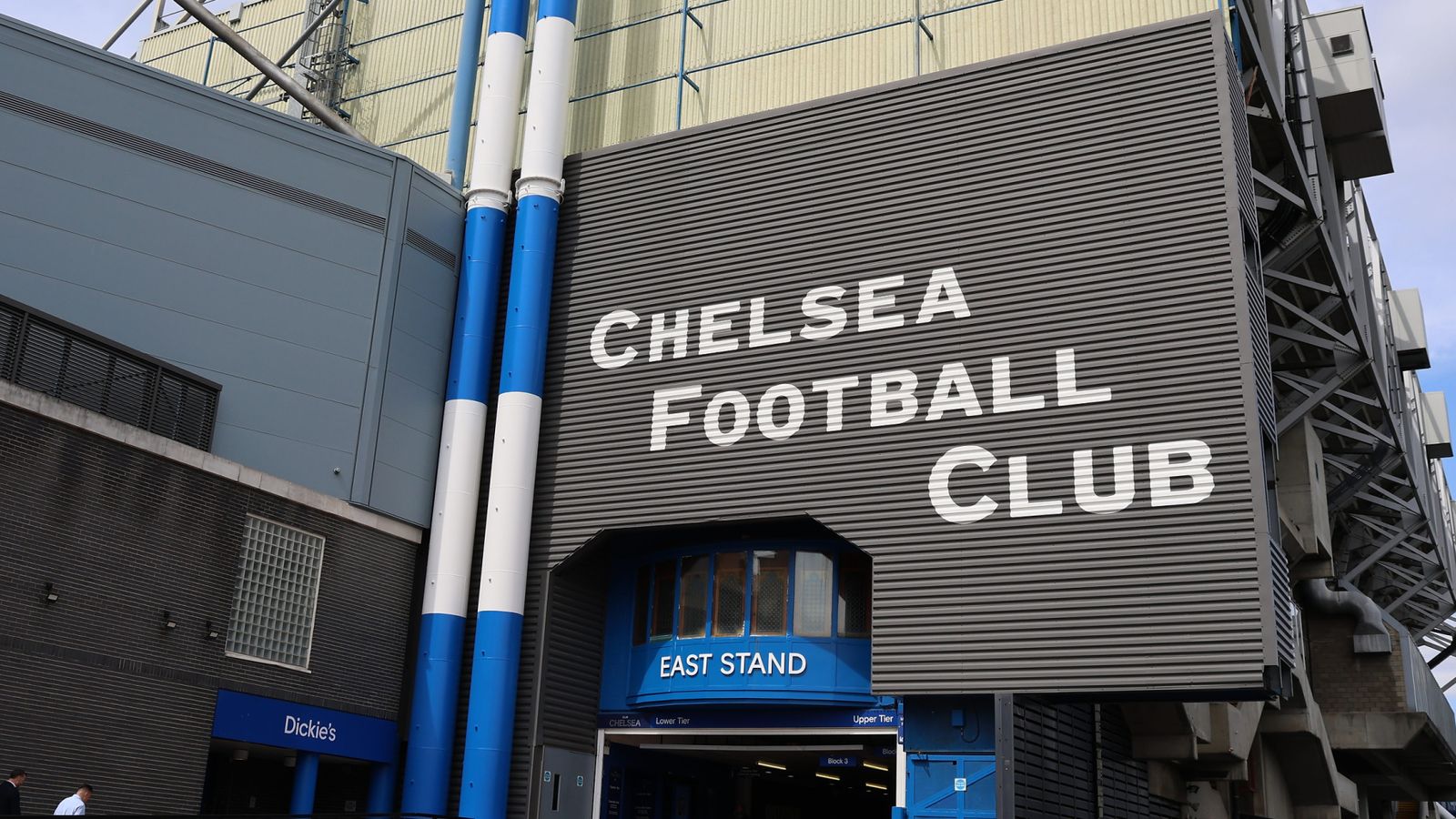
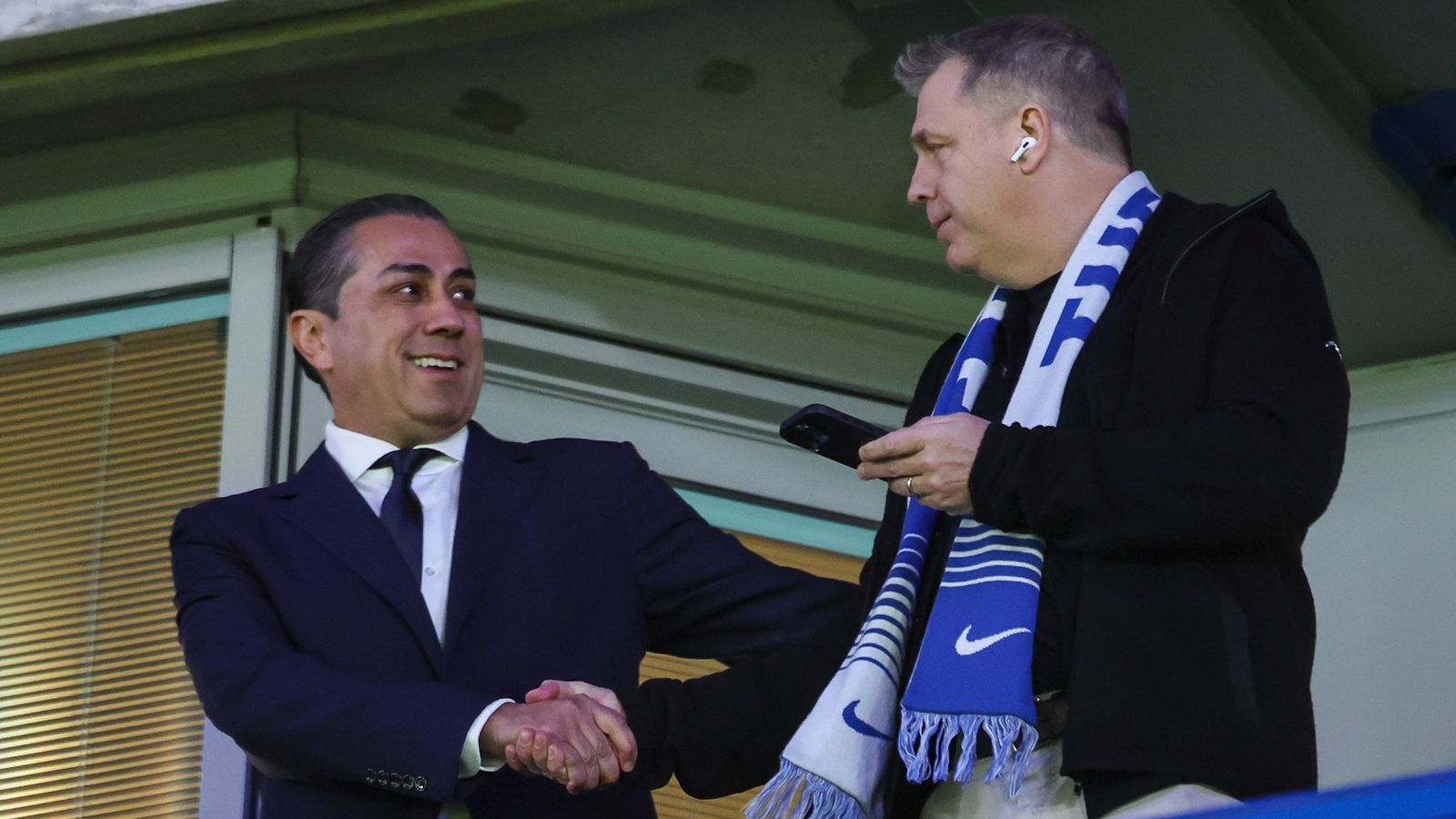
Joe Cole hit the nail squarely on the head this week. When a club willingly sanctions the sale of a homegrown talent for a paltry £18m, you are no longer watching a football project. You are watching a distressed asset liquidation.
Cole rightly pointed out the departed player had the natural authority to eventually wear the armband. His frustration was obvious.
What were Chelsea thinking?
They weren't thinking about football. They were thinking about spreadsheets.
The release of Chelsea's 2024/25 financial accounts paints a terrifying picture for anyone sitting in the Stamford Bridge stands. The numbers confirm what the skeptics have been screaming for eighteen months. The club spent aggressively beyond its means, and the bill has finally arrived. They must become a selling club immediately.
Not a club that sells to upgrade. A club that sells simply to survive the accounting audits.
The tactical disintegration
This is where the financial reality violently crashes into the tactical reality on the pitch. I watch this Chelsea side every weekend, and the fundamental issue isn't a lack of technical quality. It is a complete absence of structural resilience.
Kieran Gill nailed the diagnosis in the Daily Mail recently. He saw exactly what the rest of us see when the whistle blows.
Chelsea do not need heart surgery, but brain surgery. The mentality is not there. One setback and the sulking starts. They can't cope with complications, they don't deal with difficulties.
Watch their pressing triggers when they lose the ball in the middle third. The initial counter-press is usually intense for about four seconds. But the moment an opponent breaks that first line—usually with a simple switch of play to the weak side—the midfield completely gives up on the recovery runs.
The gap between the double pivot and the attacking quartet routinely stretches to forty yards. This isn't a fitness issue. It is a mentality issue. You see the same behavioral patterns every single match. The defensive line drops deep to protect the penalty area, while the forwards jog back at a leisurely pace, leaving the central midfielders to cover impossible amounts of ground.
You can see the wingers throwing their arms up in frustration rather than dropping into a rigid defensive block to compact the space. When you build a squad out of disparate, highly-paid strangers recruited via algorithm rather than character profiling, you get a team that fundamentally does not trust each other.
They defend as individuals, not as a cohesive unit. When the opposition makes a proactive substitution to exploit the wide areas, Chelsea's players look to the dugout for a magic solution instead of organically adjusting their defensive shape on the fly. It is deeply concerning to watch a team with this much raw talent play with such a low footballing IQ.
The pure profit dilemma
Now, inject a mandatory summer fire sale into that fragile dressing room. The Profitability and Sustainability Rules dictate a cruel logic. Selling academy graduates generates pure profit on the books.
This means the players most likely to care about the badge are the ones actively being shopped around Europe. The players who understand the culture of the club are viewed as nothing more than easily liquidated assets.
Players are not stupid. The dressing room knows exactly what is happening behind the scenes. When you know the guy sitting next to you is being pushed out the door to balance a ledger by the June 30 deadline, why would you put your body on the line for him?
The paranoia destroys whatever minimal chemistry exists.
A jarring contrast in leadership
The irony of this entire situation is currently playing out down in League Two. Reports surfaced this week that legendary Chelsea captain John Terry is preparing to buy Colchester United.
Backed by immense personal wealth—he recently sold a Cristiano Ronaldo match shirt for a massive sum—Terry is looking to build something tangible. He is investing his own money into a traditional English football institution.
Terry represents everything the modern Chelsea is currently lacking. Accountability. Aggressive leadership. An understanding that a football club is a community asset, not just a line item in a private equity portfolio.
While Terry takes his riches to the EFL to build a legacy, his former employers are stripping the floorboards of Stamford Bridge just to keep the lights on.
The Aston Villa comparison
If you want to see how a functional club handles squad transition, look at Aston Villa. Emi Martinez made very little secret of his desire to leave last summer. He actively drew interest from Manchester United and Atletico Madrid.
Did Villa panic? Did they let the situation destroy their season? No. They are quietly and proactively monitoring a Manchester City star to replace the Argentine. They are planning ahead.
They identify a tactical need, they scout the replacement, and they execute the transition smoothly. They don't let their financial constraints or player demands dictate their performance on the pitch. Unai Emery has built a system that survives individual departures.
Chelsea, by contrast, are purely reactive. They are selling players because the accountants are holding a gun to the sporting director's head. The entire football operation is subordinate to the balance sheet.
The breaking point and my prediction
The Cole Palmer burden
This brings us to the most concerning aspect of the entire disaster. Cole Palmer has been the sole functional attacking mechanism in this broken system.
When Chelsea's possession structure breaks down, the default strategy is simply to give the ball to Palmer in the right half-space and pray he invents a solution. He is carrying an unfathomable creative burden. He dictates the tempo, he provides the final killer pass, and he is expected to finish the chances himself. No single player can sustain that level of output indefinitely.
There is a growing chorus suggesting Palmer should be left at home for the upcoming World Cup. With the tournament kicking off on June 11 across the US, Canada, and Mexico, the travel schedule and the expanded 48-team format will be brutal.
If Palmer goes to North America and plays heavy minutes for England, he will return to Cobham running on empty. And he will be returning to a squad decimated by forced sales. It is a recipe for a catastrophic physical breakdown.
The final verdict
I am not going to sit on the fence here. The underlying data, the psychological fragility, and the impending financial doom all point to one definitive outcome.
Chelsea will completely collapse next season. They will finish outside the European places entirely.
The mandatory summer fire sale will strip away the last remnants of squad cohesion. They will sell the wrong players because the pure profit accounting forces their hand. The dressing room, already prone to sulking and infighting, will fracture completely when the first rough patch hits in September.
Opposing managers have already figured out the blueprint. If you sit in a mid-block and forcefully deny Palmer the ball in the right half-space, Chelsea has zero secondary attacking patterns to fall back on.
Next season, with an exhausted Palmer and a heavily downgraded supporting cast, that lack of tactical diversity will be violently exposed. They lack the brains to adapt, they lack the leadership to fight through adversity, and they lack the financial freedom to buy their way out of the mess.
The collapse isn't just a possibility. It is an impending certainty.