The Premier League's financial integrity is hanging by a thread

The double standard haunting the Premier League
There is a specific kind of silence that descends upon a press conference when a manager stops talking about tactics and starts talking about the architecture of the league itself. David Moyes, a man who has navigated the choppy waters of English football for two decades, sat before the cameras this week with a look of weary resignation. He wasn't interested in discussing his team's defensive shape or the upcoming weekend’s fixture list. He wanted to talk about Chelsea, Roman Abramovich, and the phantom specter of financial fair play.
The grievance is simple but explosive: why are some clubs forced to navigate the razor-thin margins of Profit and Sustainability Rules (PSR) while others seem to operate in a legal vacuum? Moyes, representing the frustration felt by mid-table stalwarts like Everton and West Ham, pointedly asked why the Premier League has remained so opaque regarding the historical financial irregularities discovered during the ownership of the Russian oligarch.
The anatomy of a quiet investigation
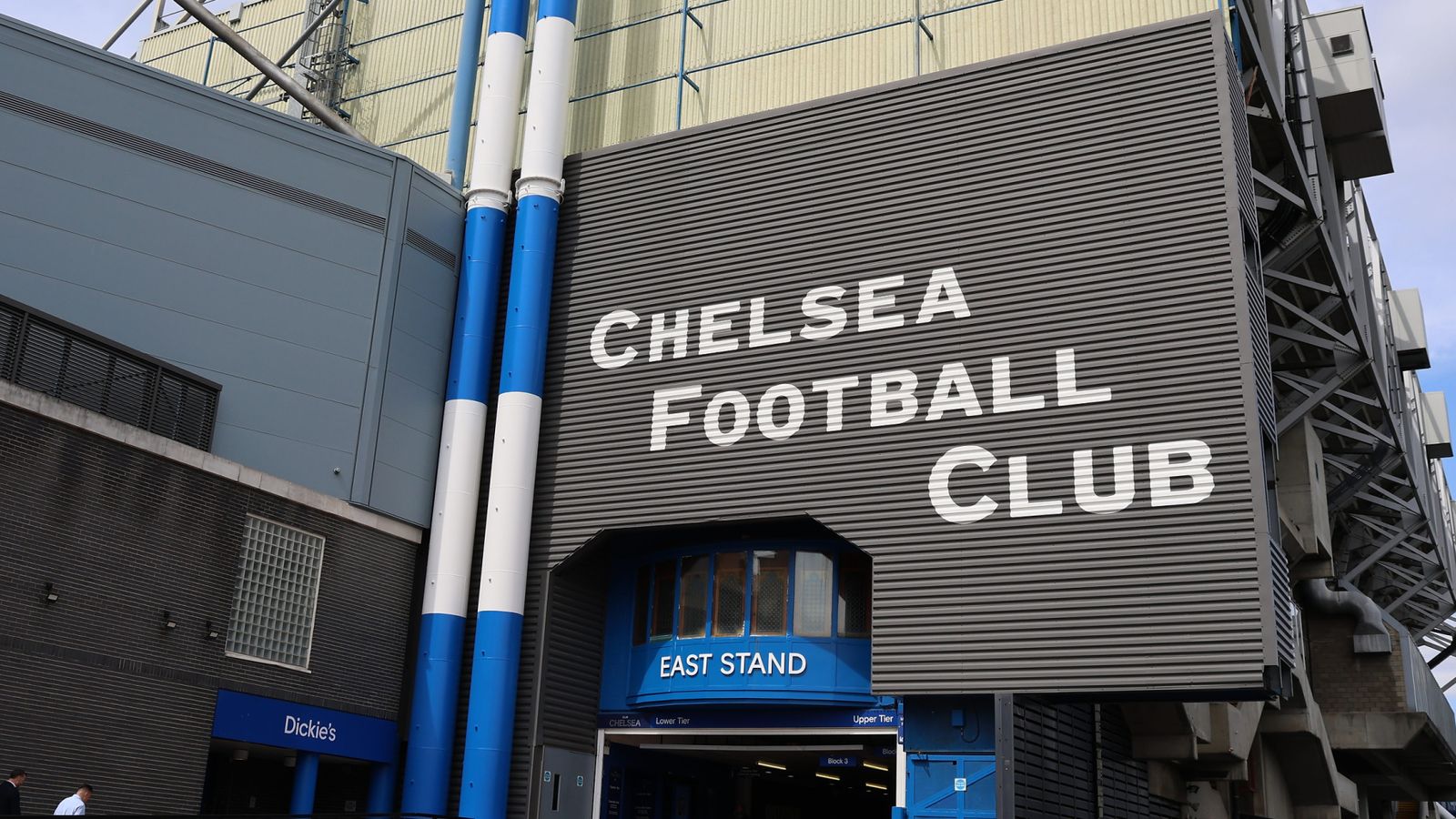
When the new ownership group at Chelsea took the reins, they were the ones who proactively reported the discrepancies. It was a move designed to draw a line under the past, a strategic pivot to distance the club from the Abramovich era. However, the optics of the situation have spiraled into a public relations nightmare for the league’s governing body. By failing to issue a formal charge or a points deduction, the Premier League has inadvertently created a narrative of selective enforcement.
The Premier League has left itself wide open to criticism. When you see the intensity with which they pursue smaller clubs for minor accounting slips, the silence surrounding these historical breaches feels deafening.
This isn't just about spreadsheets and amortization schedules. It is about the fundamental promise of a level playing field. If the rules are meant to be the bedrock of the competition, then the bedrock currently looks like it is made of shifting sand. For managers like Moyes, the lack of clarity isn't just an annoyance; it is a direct challenge to the legitimacy of the competition they are paid to win.
The Everton precedent and the politics of punishment
To understand why this is boiling over now, one only needs to look at the treatment of Everton. The Merseyside club has been dragged through the mud, subjected to multiple points deductions that threatened their very existence in the top flight. The contrast between the treatment of the Toffees—a historic club struggling to modernize—and the relative passivity shown toward the financial gymnastics of the past decade at Stamford Bridge is stark.
Critics argue that the Premier League is terrified of the legal ramifications that would come with punishing a club of Chelsea's global stature for sins committed under a previous owner. But in avoiding that fight, they have invited a different kind of insurrection. They have signaled to the rest of the league that if your financial crimes are large enough and historical enough, you might just be able to negotiate your way out of the consequences.
- The perception of a two-tier justice system is growing.
- Clubs are losing faith in the PSR framework as a deterrent.
- The lack of transparency is damaging the league's global brand.
- Managers are becoming increasingly vocal about the lack of parity.
Why the silence is the loudest statement of all
The Premier League’s reluctance to open the books on the Abramovich years is likely rooted in a desire to protect the 'product.' Yet, by trying to preserve the status quo, they are eroding the very thing that makes the league compelling: the idea that on any given Saturday, the game is decided by 11 players on a pitch, not by the creative accounting of a boardroom. When the focus shifts from the brilliance of a Cole Palmer strike to the murky details of a transfer fee from 2014, the sport loses its soul.
Moyes is not a man prone to conspiracy theories. He is a pragmatist who understands that in the modern game, the rules are often interpreted rather than followed. His call for clarity is a plea for the league to reclaim its authority. If the Premier League cannot explain why one club is sanctioned for a minor breach while another avoids scrutiny for systemic issues, then the entire regulatory structure is effectively toothless.
The road ahead for financial governance
As we look toward the remainder of the season, the pressure on the league will only mount. We are entering an era where the integrity of the table is being questioned more than the quality of the football. If the authorities continue to hide behind legal jargon and procedural delays, they risk alienating a fanbase that is increasingly savvy about the financial inner workings of their clubs.
Perhaps the most damning indictment of the current situation is that it has turned football managers into amateur accountants. They are no longer just preparing for Manchester City or Liverpool; they are preparing for the legal battles that define the league's hierarchy. It is a distraction that the sport can ill afford. The Premier League needs to stop treating this as a PR problem to be managed and start treating it as an existential crisis to be solved.
Ultimately, the game deserves better. It deserves a set of rules that apply equally to every badge on the chest, regardless of the history of its ownership. Until that happens, the shadow of the Abramovich years will continue to loom over every match, every result, and every point that is—or isn't—deducted. The league has a choice: be the arbiter of a fair competition, or be the silent partner in a system that is rapidly losing its moral compass.
Roku Express 4K+ | Streaming Media Player
The seamless way to stream every Premier League and World Cup match.
Frequently Asked Questions
Why is David Moyes criticizing the Premier League?
How did Chelsea's financial irregularities come to light?
Why is there a perception of selective enforcement in the Premier League?
What is the significance of the Everton case in this debate?
What impact do financial rule concerns have on Premier League managers?
More Coverage

Anthony Gordon to Barcelona marks a high-stakes gamble
an hour ago
Arsenal's 104 million gamble on Julian Alvarez is pure chaos
an hour ago
Top 10: The Definitive Arsenal Moments of the 2025/26 Season
3 hours ago
Newcastle are burning the furniture to keep the house warm
3 hours ago
Manchester City's business model is frankly terrifying
3 hours ago
Brentford midfield hit by late-season injury setback
3 hours agoMore Match Reports

David Moyes is right to be annoyed about the Premier League's Chelsea fine
2 months, 1 week ago
Everton is burning 40 million quid on a ghost
3 weeks, 4 days agoThe Premier League is now just a forensic accounting competition
1 month, 2 weeks ago
Goodison Park is the last place Liam Rosenior needs to visit right now
2 months, 1 week ago
Chelsea’s billion-pound bonfire looks like a total disgrace
1 month, 2 weeks ago