The Etihad's psychological warfare begins
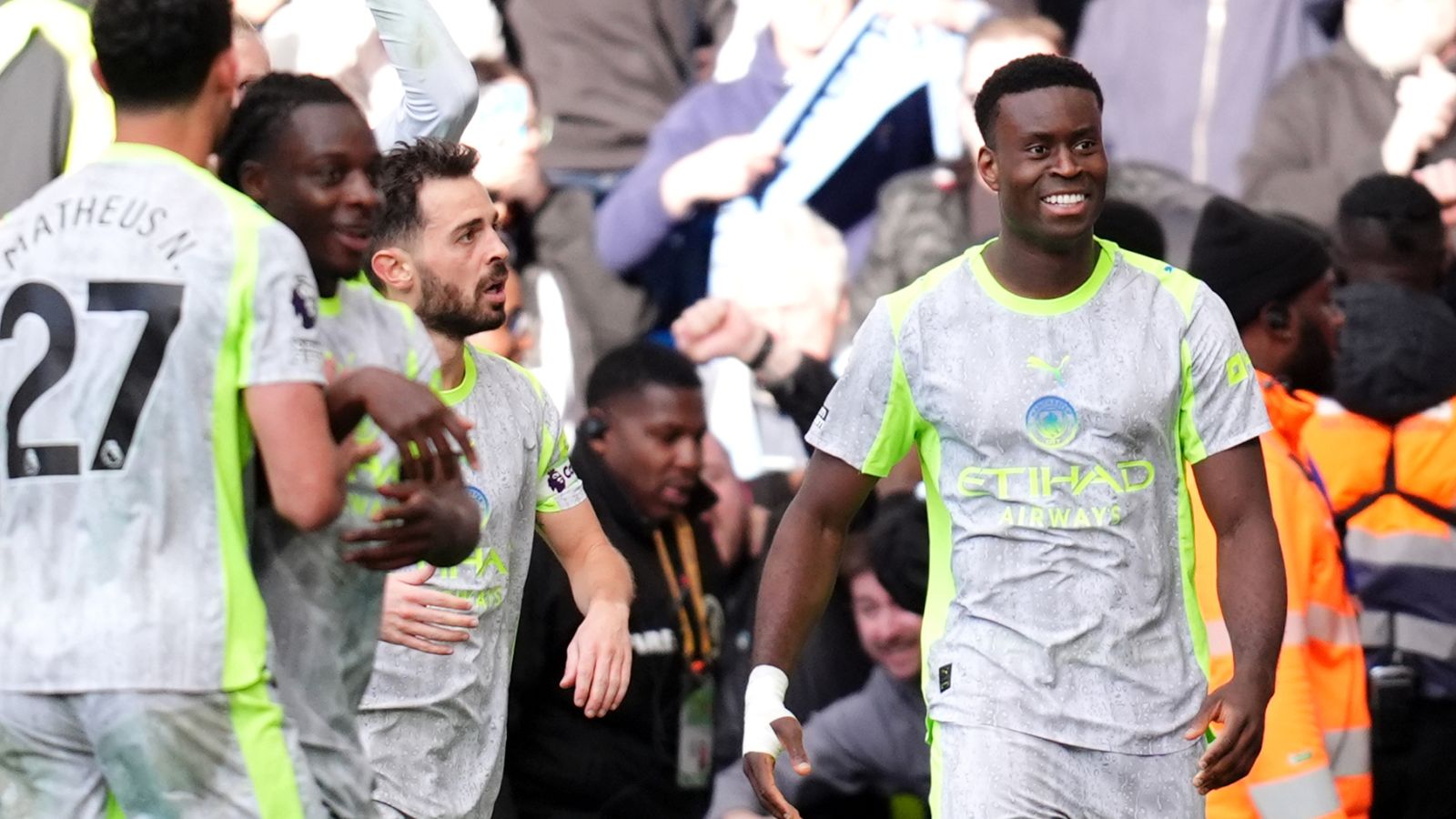
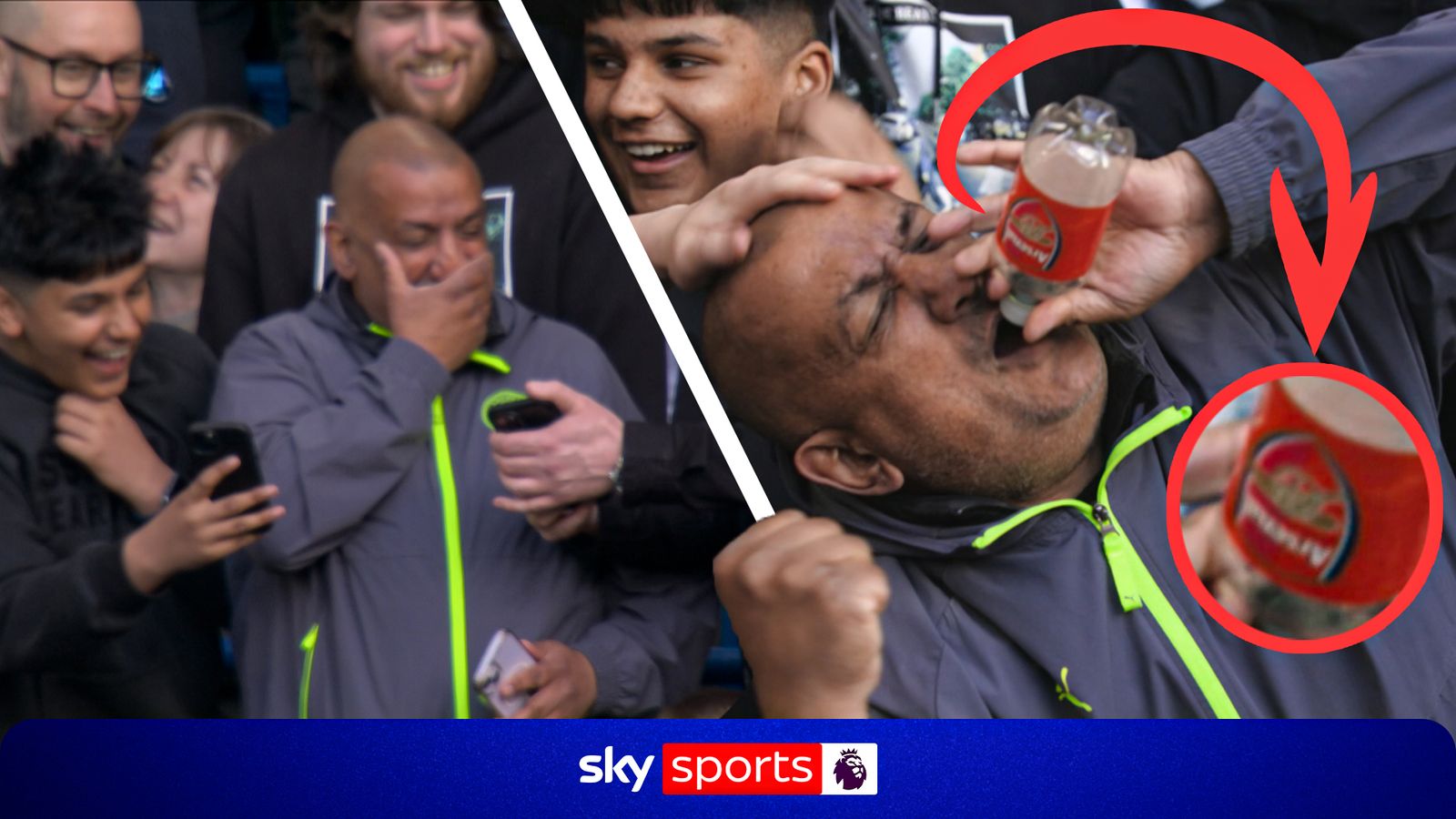
Arrogance in football is often a precursor to a fall, but for Manchester City, it currently looks like their most effective weapon. During the 3-0 dismantling of Chelsea yesterday, a viral moment captured the mood of the entire club. A City supporter, perched behind the dugout, was seen prominently drinking from an Arsenal-branded water bottle, a silent but pointed taunt toward their primary title rivals.
As Sky Sports captured, this wasn't just a random act of fan pettiness. It represents the supreme confidence of a squad that has moved beyond merely winning matches to mocking the very idea of competition. While Arsenal sweat over every goal difference swing, City are treating the Premier League run-in like a light training session.
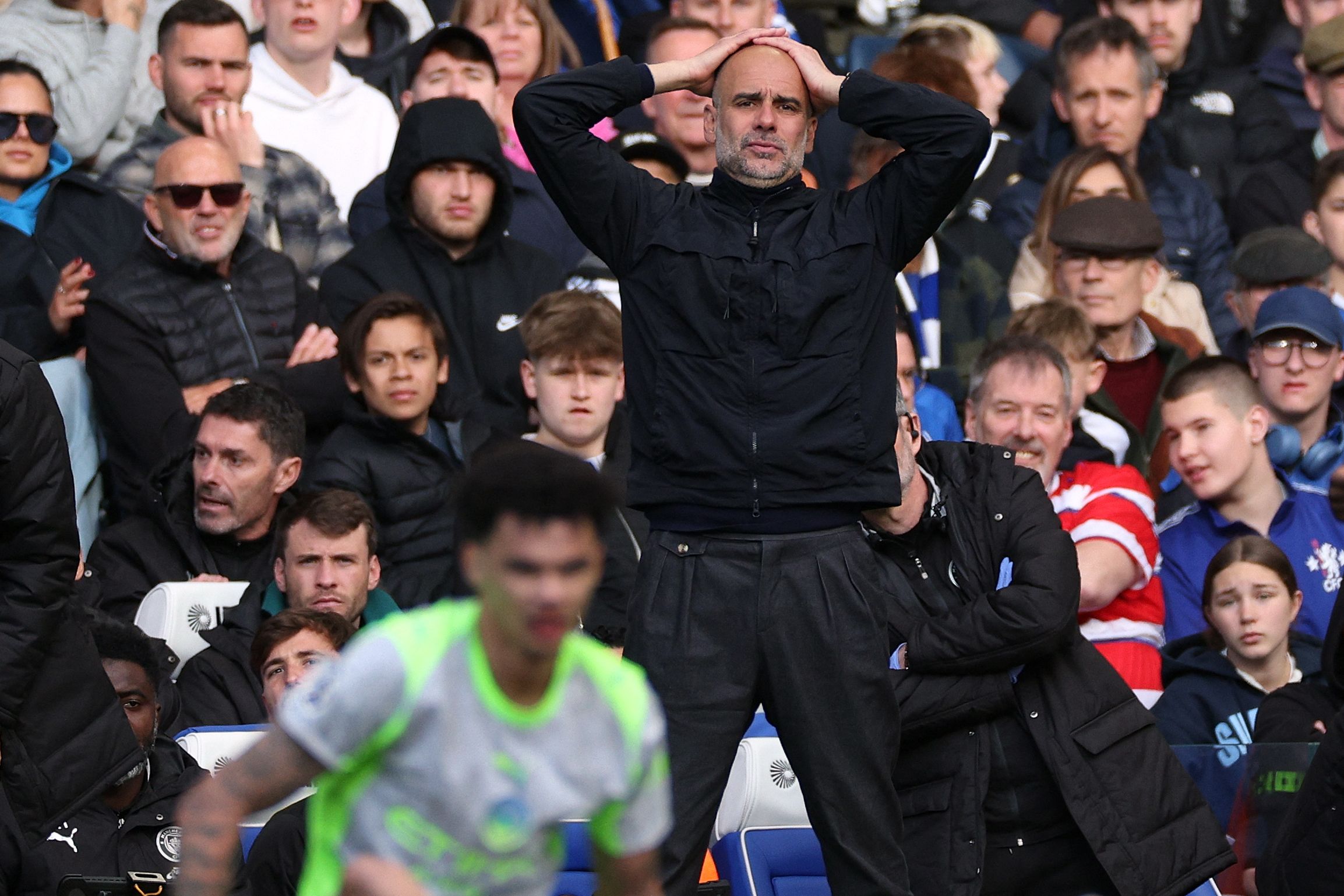
The efficiency of the performance against Chelsea was staggering. Pep Guardiola’s side controlled 72% of the ball, but more importantly, they choked the life out of Enzo Maresca’s attempts to play out from the back. The 3-2-4-1 shape was flawless, with John Stones stepping into the pivot and effectively nullifying any hope of a Chelsea transition through the central corridor.
The tactical blueprint for Tuesday's European return
Attention now shifts to the Etihad return for the Champions League Quarter-Final second leg on April 14. After the chaotic 2-2 draw in the first leg, City know that tactical discipline will be worth more than individual brilliance. Real Madrid thrive on the very chaos that City spent ninety minutes against Chelsea systematically erasing.
Guardiola’s primary concern will be the rest-defense against Vinicius Junior. In the first leg, Walker’s recovery speed was tested to its limit. If Stones continues to invert into midfield, the burden on Ruben Dias to cover the left channel increases exponentially. Against Chelsea, Dias was rarely asked to sprint; against Madrid, he will be living in the shadows of Rodrygo and Vinicius.
The 'box' midfield of Rodri, Stones, De Bruyne, and Foden is designed to create numerical superiorities. It forces opposing central defenders into a lose-lose choice: step out and leave Haaland 1v1, or drop deep and allow De Bruyne the half-space to pick a pass. It is a mathematical problem that few coaches in world football have found the answer to.
Why the Rodri dependency is still a risk
Despite the dominance, there remains a persistent fracture in the City machine. Rodri completed 114 passes against Chelsea with a 96% success rate, but the three minutes he spent on the deck after a heavy challenge from Moises Caicedo felt like an eternity for the Etihad crowd. City without Rodri is a team that lacks a tactical heartbeat.
Kovacic is a technical marvel in tight spaces, but he does not possess the same positional intelligence. He chases the ball too often, leaving the 'hole' in front of the center-backs exposed. If Madrid can lure Rodri into a high press and then bypass him with a direct ball, City’s entire structure becomes vulnerable to the verticality of Bellingham.
The lack of a true deputy for Rodri is the only real flaw in this squad. While they can survive a Premier League game against a disjointed Chelsea side, the Champions League offers no such margin for error. One mistimed tackle or a single yellow card could derail the entire treble pursuit in a way that no amount of psychological teasing can fix.
The Arsenal factor and the pressure of the chase
The decision to mock Arsenal during a match against Chelsea highlights how much Mikel Arteta’s side is in City's heads. This is no longer a one-horse race; it is a war of attrition. City’s ability to maintain focus while their fans engage in viral banter is a testament to the culture Guardiola has built. They don't just win; they colonize the minds of their opponents.
Arsenal’s recent form has been relentless, but they lack the experience of managing a double-front assault on the title and Europe. City, by contrast, look refreshed. The rotation of Erling Haaland, who only played 65 minutes against Chelsea, suggests that the physical load is being managed with surgical precision. He looks leaner, faster, and more focused than he did in February.
The psychological edge gained from the Chelsea win cannot be overstated. By the 44th minute, when Foden slotted home the second, the game was over as a contest. It allowed City to move into a low-block, energy-saving mode for the second half. They aren't just winning games; they are banking minutes for the battles ahead.
Final tactical prediction for the Etihad
Expect City to start with a high-intensity press for the first 15 minutes to rattle Madrid’s backline. They want an early goal to settle the nerves and force Ancelotti to abandon his counter-attacking setup. If Madrid are forced to chase the game, they will open up spaces that Foden will exploit with his late runs into the box.
The key matchup will be Manuel Akanji versus Rodrygo. If Akanji can stay disciplined and avoid being pulled out of position by Madrid's fluid front three, City will squeeze the life out of the game. It won't be pretty, and it might not be the goal-fest people expect after the first leg, but it will be a masterclass in control.
City are currently the most dangerous version of themselves: arrogant, technically perfect, and physically peaked. My call? A professional 2-0 win at the Etihad. They will progress to the Semi-Finals without breaking a sweat, all while keeping one eye on the Premier League trophy that they clearly believe already belongs to them.
Read Next
- Liverpool and Villa are turning the Champions League race into a comedy of errors
- Anfield awaits as PSG's tactical revolution faces its ultimate away test
- Unai Emery is gambling with Villa's top four hopes at the City Ground
- The Premier League final day is looming and it is going to be a beautiful disaster