The Rosenior admission and the City blueprint
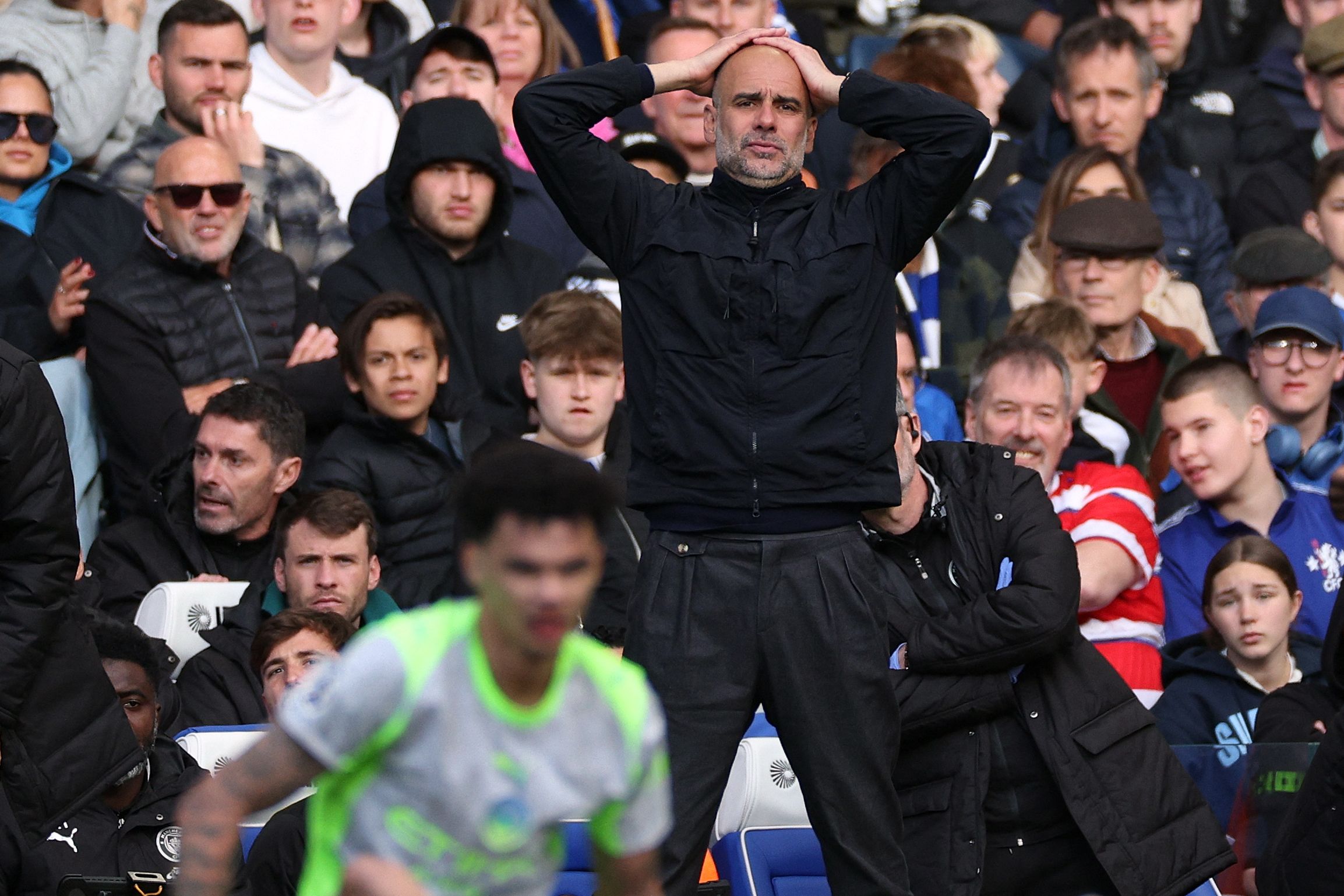
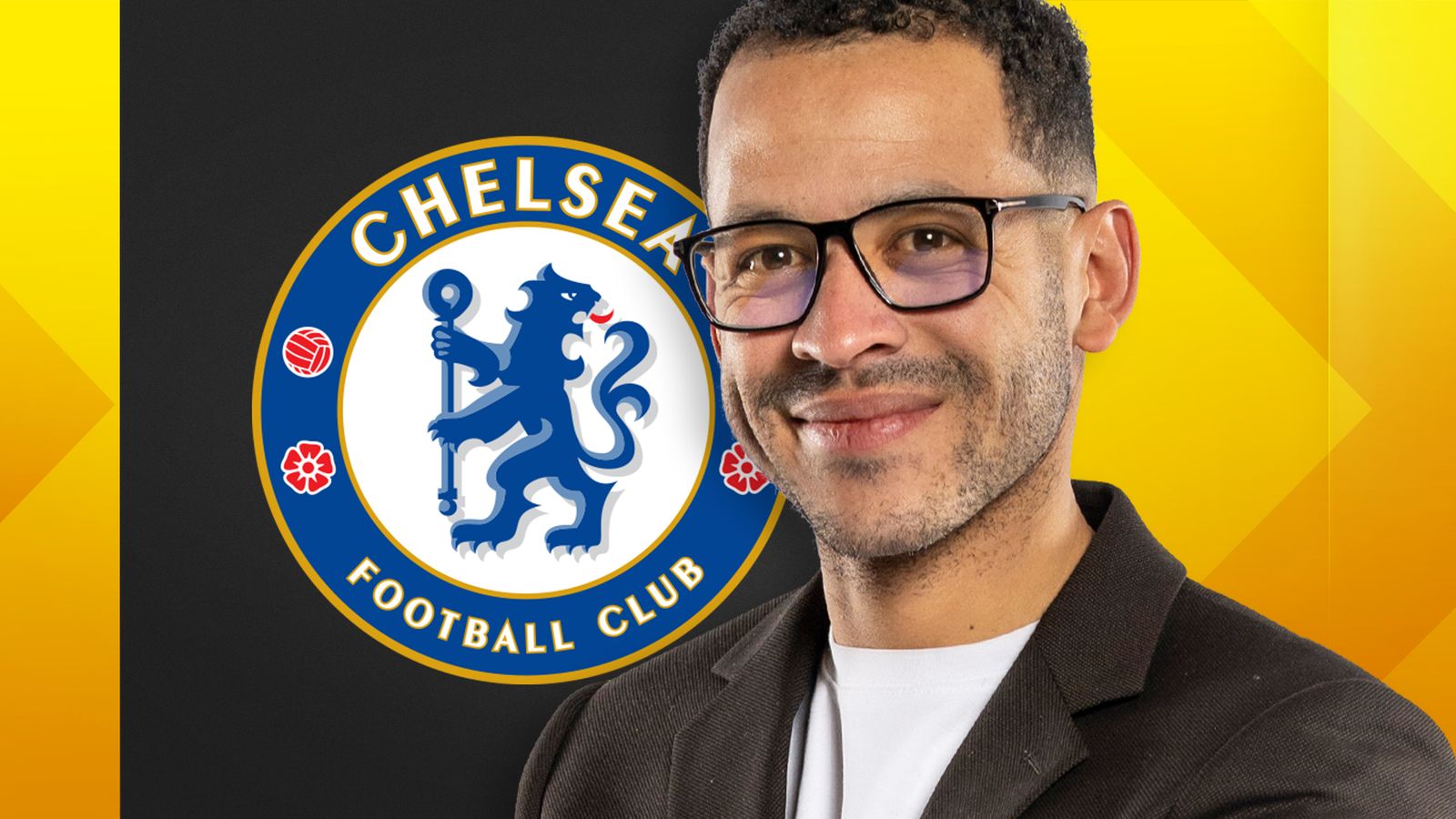
Liam Rosenior sat in the Stamford Bridge press room on Sunday evening looking like a man who had tried to solve a Rubik's cube only for the cube to explode in his hands. His Chelsea side had just been dismantled 3-0 by Manchester City, a scoreline that somehow felt generous to the Londoners. It was a tactical execution so clinical that Rosenior, usually one to protect his players, took the brunt of the blame himself.
As Mirror Football reported, Rosenior admitted his tactical setup might have been the catalyst for the thumping. He attempted to play a mid-block that transitioned into a high press whenever Enzo Fernandez stepped up to shadow Rodri. It was a gamble that ignored the fundamental gravity of Pep Guardiola’s 3-2-4-1 system. By the 14th minute, the game was effectively over as a tactical contest.
When Enzo stepped up, he left a cavernous 20-yard gap behind him. Kevin De Bruyne and Phil Foden did not just occupy that space; they colonized it. City operated with a 92% pass completion rate in the final third during that opening exchange. Every time Chelsea tried to squeeze the play, City’s inverted full-backs found the diagonal pass to the opposite flank, forcing Rosenior’s back four to sprint 40 yards toward their own goal while facing the wrong way.
The Rodri factor and the structural collapse
The problem for any team facing City tonight in the Champions League Quarter-Final second leg is that they are seeing a team that has achieved total synchronization. In the Chelsea game, Rodri didn't just recycle possession; he dictated the temperature of the match. He completed 114 passes, more than the entire Chelsea midfield combined. Rosenior’s admission of guilt stems from his instruction to man-mark the Spaniard, which only served to pull Chelsea’s defensive shape out of alignment.
Watch the 34th minute goal again. It wasn't just a defensive lapse; it was a structural collapse. City moved the ball through 18 consecutive passes before Erling Haaland even touched it. By the time the Norwegian was involved, the Chelsea center-backs were so preoccupied with Foden’s ghosting runs into the box that they left the world’s most dangerous striker with a five-yard radius of grass to himself. It is this level of psychological and tactical exhaustion that City imposes on their opponents.
Tactical hurdles for the Champions League return
Entering tonight’s second leg, the opposition faces the same dilemma that broke Rosenior. If you sit deep, you invite a 90-minute siege where City will eventually find a seam. If you press high, you risk the humiliation Chelsea suffered on Sunday. The data suggests that City are currently averaging 2.8 xG per game over their last six outings, while conceding a mere 0.6. They aren't just winning matches; they are erasing the opponent’s ability to compete.
The critical observation here, however, is that City occasionally suffer from a strange kind of vertical boredom. In the second half against Chelsea, once the game was 3-0, they stopped looking for the fourth. They began to circulate the ball for the sake of circulation, dropping their intensity by nearly 15%. A more ruthless elite European side might find a way to punish that brief period of complacency, provided they haven't already conceded three goals by the hour mark.
The Bellingham-Rodri chess match
The key tonight will be the central pivot. We saw Enzo Fernandez struggle to balance his defensive duties with his creative instincts against City, often caught in no-man's land. Tonight, the opposition must ensure their most advanced midfielder doesn't fall into the same trap. You cannot play halfway against this City team. You either commit to the press with every fiber of the starting XI, or you batten down the hatches and accept you won't see the ball for ten-minute intervals.
City’s use of the 'half-spaces'—those corridors between the full-back and center-half—is currently the best in world football. In the 3-0 win over Chelsea, Jack Grealish and Bernardo Silva stayed incredibly wide, stretching the pitch to its absolute limit. This forced the Chelsea wing-backs to stay home, preventing them from supporting Enzo and Moises Caicedo in the middle. It was a simple geometric problem that Rosenior couldn't solve on the fly, and it's exactly what we should expect to see tonight.
The psychological weight of the treble chase
There is a weight to playing Manchester City in April. They are a team that smells blood. Since the turn of the year, their physical metrics have actually improved, suggesting their periodization is perfectly timed for this run-in. While Chelsea looked leggy and disjointed, City looked like they were playing a pre-season friendly in terms of their physical exertion. They didn't need to sprint because the ball did the work for them.
One must look at the way John Stones operates in that hybrid role. He is no longer a defender who steps into midfield; he is a playmaker who happens to start in the backline. This creates a 4vs3 numerical advantage in the center of the pitch that most managers, including Rosenior, find impossible to track without sacrificing a winger. If the opposition tonight sticks to a traditional 4-3-3, they are effectively starting the game with a tactical deficit that City will exploit within the first ten minutes.
Final tactical verdict and prediction
The prediction for tonight isn't just based on form; it's based on the sheer inevitability of City's patterns. Rosenior’s Chelsea was a warning shot to the rest of Europe. They showed that even a well-coached, high-value squad can be made to look amateurish if they don't respect the spacing City creates. Chelsea's zero shots on target after the 60th minute tells you everything you need to know about City’s ability to kill a game with possession.
I expect City to start with the same suffocating intensity we saw on Sunday. They will look to score twice before the 30-minute mark and then transition into that low-risk, high-possession mode that drains the life out of the stadium. The opposition might snag a goal on the counter-attack—perhaps through a moment of individual brilliance—but they won't be able to disrupt the rhythm of the blue machine for long enough to flip the tie.
City are simply too refined, too experienced, and too physically dominant right now. They are heading toward another final, and they are doing it by making elite managers admit their own failures in public. Tonight will be another masterclass in positional play and tactical patience. The scoreline will likely reflect a team that is three steps ahead of the rest of the continent, both mentally and physically.
Manchester City to win tonight 3-1 and progress with ease. They are playing a different sport right now, and the rest of the world is just trying to find the right tactical instructions to stop the bleeding. So far, nobody has found the answer.
Read Next
- Arsenal should be terrified of the Manchester City team that showed up at the Bridge
- Arsenal are staring at the same old cliff edge again
- Chelsea’s managerial circus proves they have no plan for the future
- Milan must find their spine before the Champions League quarter-final
- ⭐ UCL 2026 — Champions League Quarter-Finals Hub