The shadow of mid-May
The schedule has finally caught up with Manchester City.
Reports from The Guardian this morning paint a picture of severe frustration behind the scenes at the Etihad. The postponed Crystal Palace match has been shoehorned into an already suffocating run-in. City now face a brutal reality: three decisive fixtures on May 13, May 16, and May 19.
That is a seven-day window that will likely define their domestic campaign. But before they even reach that mid-May gauntlet, they have to survive tonight.
The Champions League semi-final first leg is usually a time for caution. You feel out the opponent. You avoid the catastrophic early mistake. You accept a draw and back yourself in the return fixture.
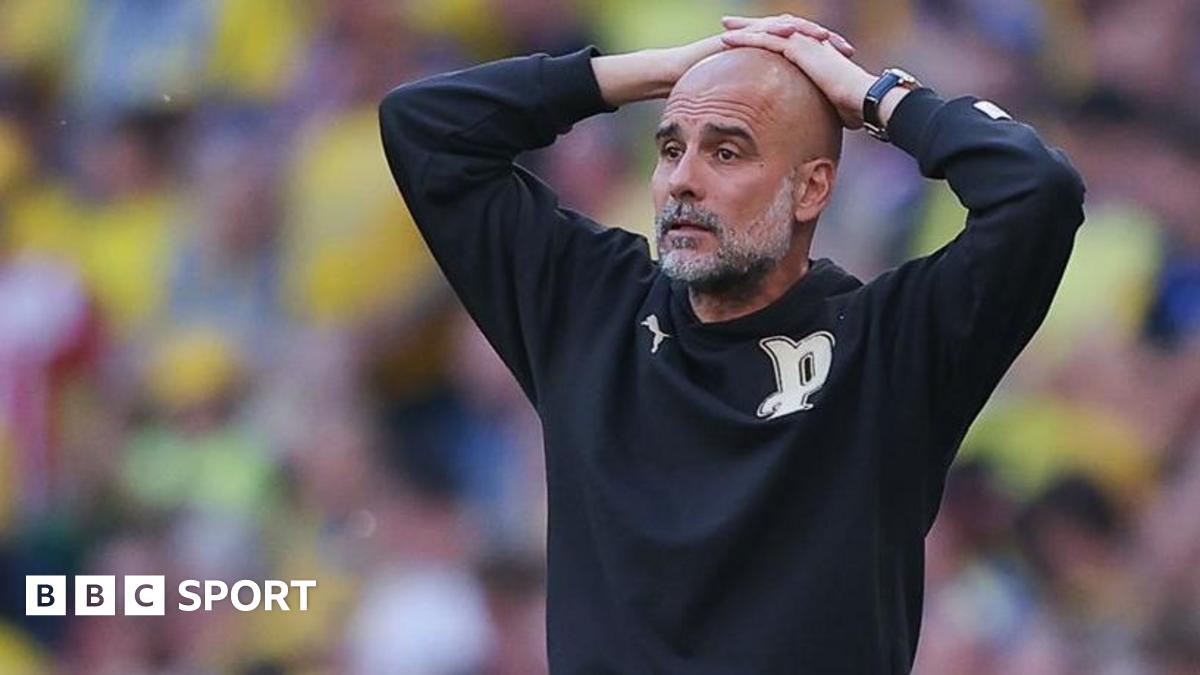
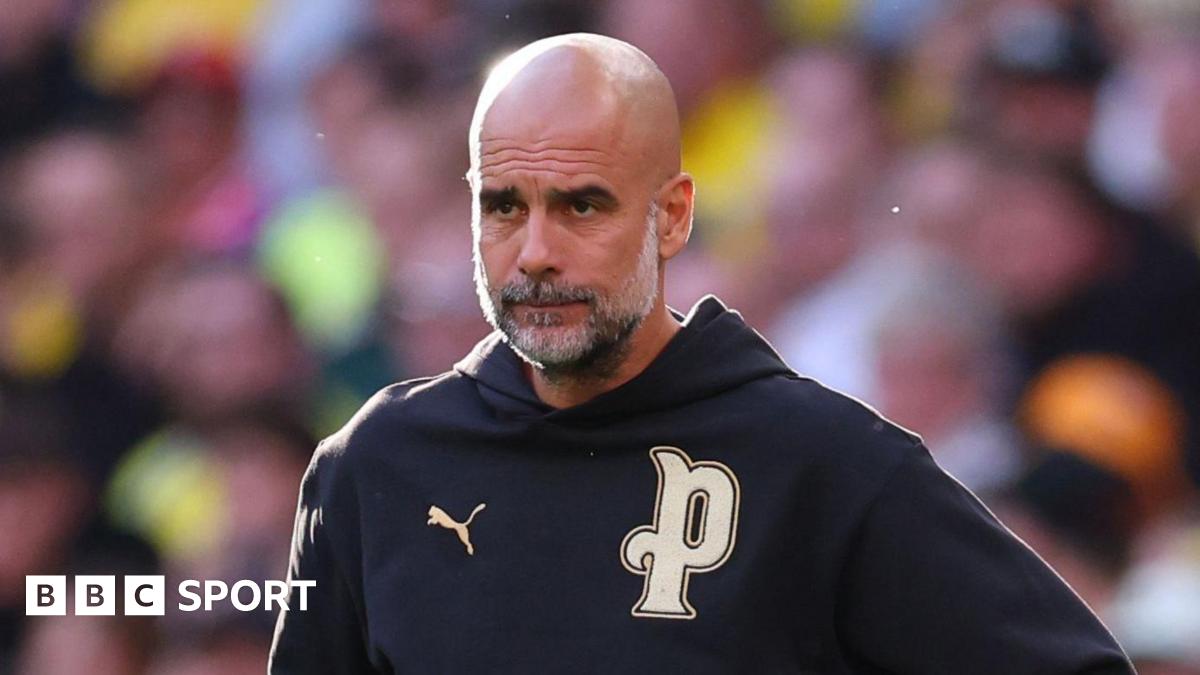
Guardiola does not have that luxury tonight. The impending fixture crunch changes the math entirely.
If City take a narrow, unresolved scoreline into next week's second leg on May 5, they will have to deploy their absolute strongest XI. They will have to burn through their starters' remaining energy reserves just eight days before the May 13 domestic clash.
That is a physiological cliff edge. Guardiola knows this. His players are already operating in the red zone.
Therefore, tonight is not just about winning the first leg. It is about rendering the second leg functionally irrelevant. City need a multi-goal cushion. They need to kill the tie here and now.
The imperative to dominate
To achieve a tie-ending result in 90 minutes, City have to abandon the slow, methodical control that usually defines their European away days. We are going to see an aggressive, high-risk approach from the first whistle.
Watch the defensive line. It will be pushed exceptionally high, squeezing the pitch into a 30-yard strip.
The pressing triggers will be heavily concentrated on the opponent's holding midfielders receiving the ball facing their own goal. The moment that pass is played, City's attacking midfielders will collapse inward.
This is not just about winning the ball back. It is about winning it back within 15 yards of the penalty area. City cannot afford to build from the back for 75 percent of the game. They need cheap, high-turnover goals.
The 3-2-4-1 structure in possession will likely shift to something closer to a 2-3-5 when the ball crosses the halfway line. The wide players will hold the chalk, stretching the defensive block to its absolute limit.
The role of the center-backs will be equally demanding. They are not just defenders in this system; they are the first line of attack. When the opposing forwards drop deep to block the passing lanes, the wide center-backs will be instructed to carry the ball aggressively into the opponent's half.
This overloads the midfield and forces a decision from the defensive block: step out and engage, or drop off and concede territory. It is a relentless, suffocating pattern of play designed to break the opponent's shape.
This isolation out wide is designed to create one-on-one mismatches. If the opposing full-backs step out, the half-spaces open up for the late runs of the central midfielders.
But this hyper-aggressive stance comes with an inherent, glaring weakness.
The structural flaw in the machine
For all their dominance, City are uniquely vulnerable in transition this season. The drop-off in their defensive transitions when the initial counter-press fails is alarming.
When you commit five men to the forward line and push your defensive block to the halfway line, you are leaving a massive expanse of grass behind you.
If the opponent bypasses that first wave of pressure—specifically by playing a quick, vertical pass over the top of the aggressive midfield press—City's backline is exposed.
The center-backs are often left sprinting back toward their own goal, dealing with fast, direct runners. We have seen it exploited domestically. In a Champions League semi-final, the quality of the opposition forwards makes it a lethal gamble.
The gap between the double pivot and the retreating defensive line often becomes a transitional playground for a clever number ten. If the holding midfielder is dragged wide to cover a counter-attack, the center of the pitch is entirely vacant.
This is the fundamental criticism of Guardiola's current iteration of City. They are brilliant front-runners, but their plan B for defending a lead often looks exactly like plan A, just with tired legs.
They lack the ability to suffer in a low block. They refuse to shut up shop. In a knockout tie, that ideological stubbornness is a liability.
The Rodri dependency
If there is one player who embodies the physical toll of this incoming May schedule, it is Rodri. He is the central node of the entire City operation.
Everything flows through him in possession, and he is the primary firewall out of it. When City shift into their 3-2-4-1, Rodri is asked to cover an absurd amount of ground laterally.
He isn't just shielding the defense. He is actively plugging the gaps left by the inverted full-back and the advancing attacking midfielders.
Watch him tonight when City lose the ball. He immediately steps forward to compress the space, looking to snap the counter-attack in half before it begins.
But what happens when the legs get heavy? We saw glimpses of it earlier in the season. A tired Rodri is a fraction of a second late to the tackle. He commits the foul instead of winning the ball cleanly.
If the opponent is smart, they will recognize this fatigue. They will deliberately target his zone in transition, forcing him into a footrace he does not want to run. They will flood his area with runners, dragging him out of position and exploiting the space he leaves behind.
Guardiola cannot rotate him tonight. He probably can't rotate him on May 5 either. By the time May 13 rolls around, Rodri will be running on fumes.
Control versus Chaos on the flanks
Another massive tactical decision for tonight revolves around the wingers. Does Guardiola opt for absolute possession control, or does he inject raw, chaotic pace?
Historically in these massive European away ties, he leans heavily towards control. He wants players who will put their foot on the ball, draw the foul, and keep the team stationed in the opponent's half.
It is a defensive mechanism disguised as attacking play. If you never lose the ball, you never have to run back.
But given the urgent need to secure a decisive result tonight to offset the May fixture nightmare, we might see a shift in philosophy. We might see the direct, terrifying pace of a pure winger isolated against the full-back.
There is also the question of the advanced midfielders. Their positioning will be vital. Instead of dropping deep to collect the ball, they will likely be instructed to pin the opposing center-backs, operating almost as second strikers.
This forces the opponent's defensive line deeper, which ironically creates more space for the wingers to operate. But it also means the midfield is largely bypassed in the initial build-up phase, relying on quick, vertical passes from the backline to find them in dangerous pockets of space.
The tactical plan will involve quick, diagonal switches of play, shifting the defensive block from side to side until a seam opens up.
A critical failure in game management
Here is the harsh reality that City fans hate to acknowledge. Guardiola’s teams often lack the cynical, dark arts required to kill a game dead.
When Real Madrid or Bayern Munich take a 2-0 lead in a European tie, the game functionally ends. The ball disappears. Fouls are bought in harmless areas. The tempo drops to a crawl.
City rarely do this. Their instinct is always to keep playing, to keep dominating the ball, to keep pushing forward. It is aesthetically beautiful, but tactically naive.
If they get their two-goal cushion tonight, they need to show a ruthlessness we rarely see from them. They need to drop into a mid-block, concede possession in the middle third, and force the opponent to try and break them down.
Will they do it? Probably not. The ideological commitment to total football usually overrides pragmatic game management.
And that is exactly where they will get caught. An unnecessary commitment of bodies forward in the 82nd minute will leave the back door open.
Prediction
This match will be defined by what happens in the transitions. City will have 65 percent possession, but the result will hinge on the other 35 percent.
City will start with terrifying intensity. They will look to suffocate the opponent in the opening twenty minutes.
I expect them to find an early breakthrough via a high turnover. The sheer volume of pressure will force a mistake in the build-up phase.
However, the aggressive high line will be punished at least once. The transition defense is too brittle against elite opposition to keep a clean sheet when committing so many bodies forward.
I expect City to win 3-1. It is a strong result, but it leaves just enough jeopardy in the tie to force Guardiola into playing a full-strength side next week.
The May nightmare is unavoidable. The machine is going to be pushed to its absolute breaking point tonight. And the attrition has only just begun.