The weight of the run-in
April is the month where the air gets warmer but the legs get heavier. You watch players who were pinging 40-yard diagonals in October suddenly misplace simple five-yard square passes. The psychological toll of the English football calendar does not creep up on you. It hits you like a cold shower. You are either chasing a prize or running from the drop, and the margin for error vanishes entirely.
The Championship is arguably the most brutal domestic competition in world football. You play 46 games of unrelenting physical exertion. The gap between the top six and the bottom half is often decided by mere inches, late deflections, and muscle tears. To navigate this gauntlet and arrive at the second week of April with automatic promotion in your own hands is a staggering achievement.
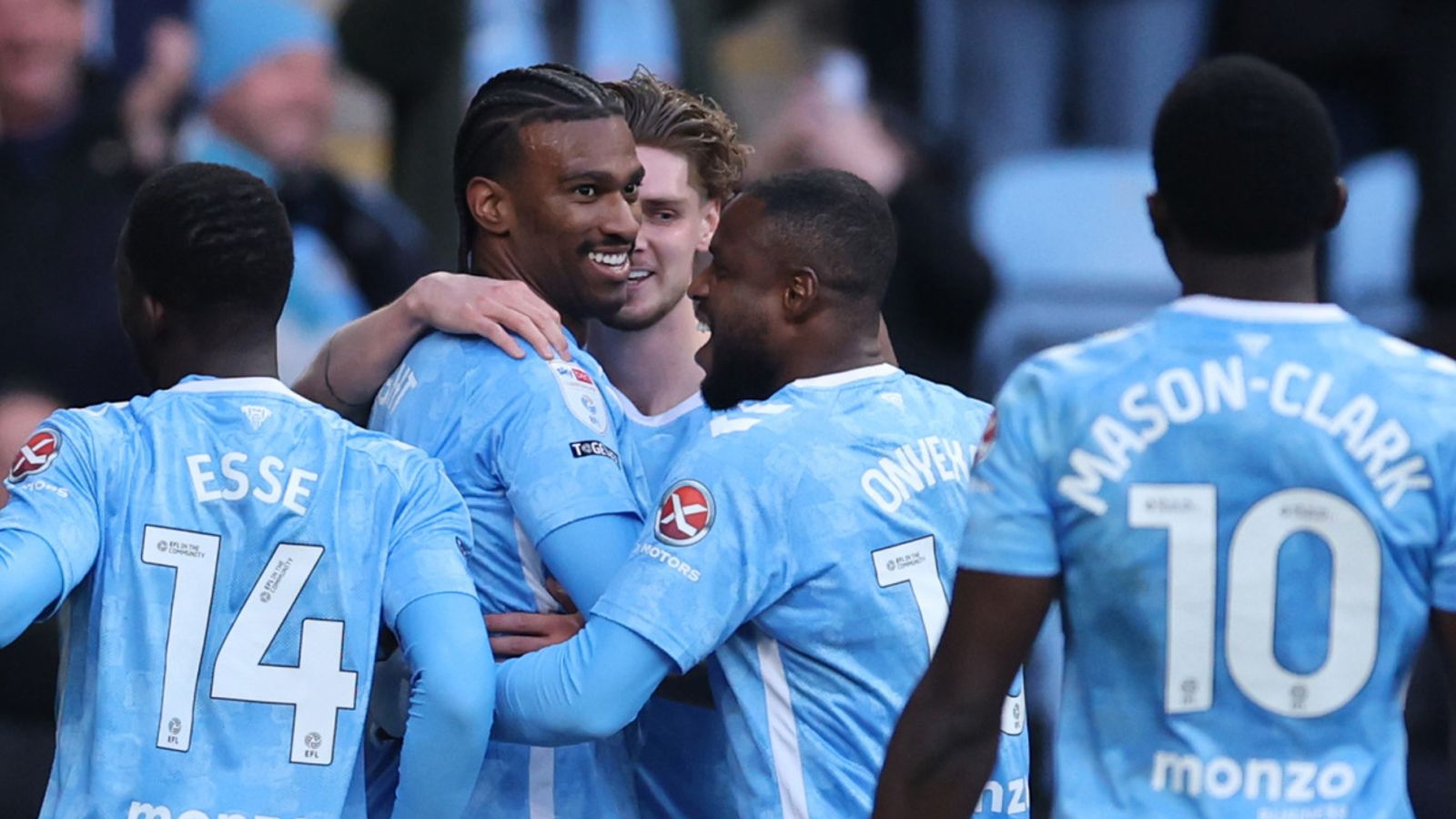
This weekend, that pressure is focused intensely on the West Midlands. According to the latest EFL updates, Coventry can end the debate and secure promotion. The math is clear. They are one win away from completing the ultimate rebuild.
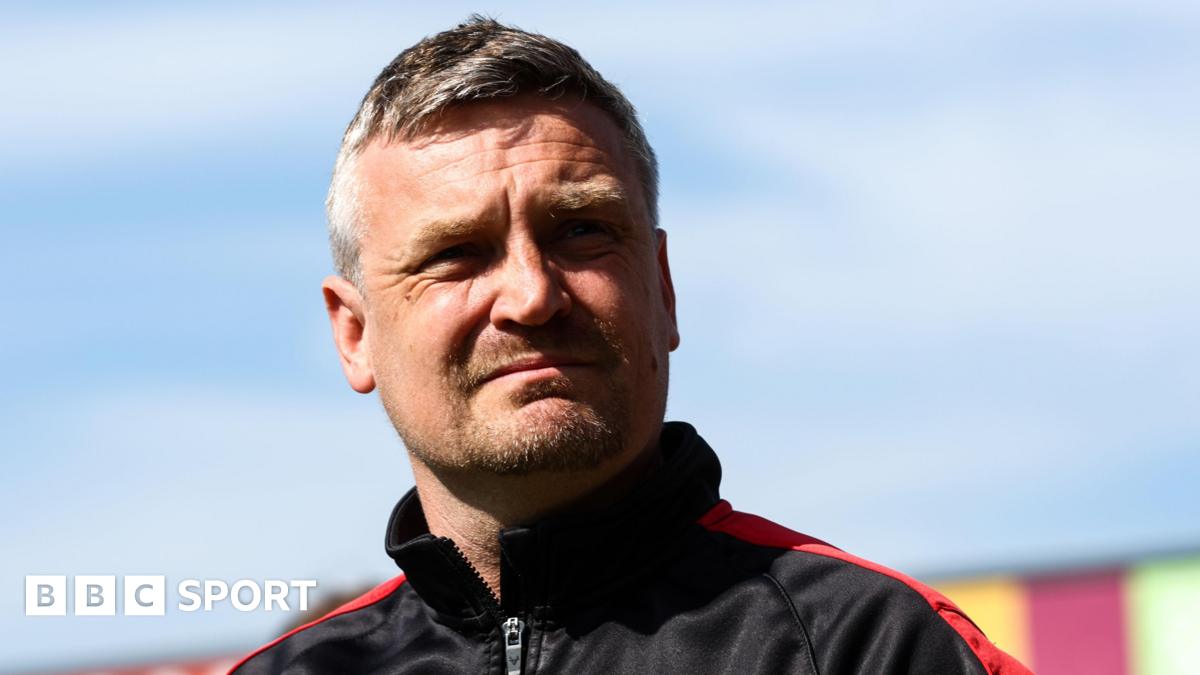
You have to understand the history to appreciate the magnitude of this moment. We are talking about a club that was exiled from its own city twice. A club that played home games in empty stadiums miles away from their supporters. Mark Robins dragging this institution from the despair of League Two to the brink of the Premier League is a coaching masterclass. He deserves a statue outside the arena.
Think back to the Checkatrade Trophy win in 2017. That was the spark. It was a lower-league cup, but it reminded a fractured fanbase what it felt like to win at Wembley. Since that day, the trajectory has been violently upward. But climbing the leagues requires constant reinvention.
You cannot play League One football in the Championship and survive. You have to upgrade the technical floor of your squad while maintaining the grit that got you promoted in the first place. Robins has done exactly that. He lost his best striker and his best midfielder last summer, banked the money, and rebuilt the machine. The recruitment has been precise, focusing on players who understand positional fluidity.
Coventry's tactical evolution
Sentimentality does not win football matches in the spring. Tactics do. And tactically, Coventry face a unique puzzle this weekend. Over the last two months, Robins has evolved the team's shape in possession. They no longer rely exclusively on direct transitions or individual brilliance.
Instead, they build out from the back with a measured 3-2-4-1 structure. The wide center-backs are instructed to step aggressively into the midfield line. It is a brave setup. When it clicks, it overloads the central zones beautifully, forcing opposition midfielders to make impossible decisions.
But I am not convinced by their resilience when pressed high. This is a fatal flaw in their armor. Watch the tape from their recent fixtures. When opposing forwards cut off the passing angles to the double pivot, Coventry's center-backs freeze.
The ball gets recycled laterally. The tempo dies. Eventually, a panicked long ball is hoisted aimlessly toward the touchline. It is a noticeable glitch in the system.
They lack a deep-lying midfielder who can demand the ball under severe pressure and turn his marker. If their opponents this weekend identify this and apply a rigid man-to-man press in the opening fifteen minutes, Coventry will find themselves suffocated in their own defensive third. You simply cannot afford that kind of vulnerability when the stakes are this astronomical. Nerves are natural, but structural hesitation will get you punished.
The City Ground illusion
The situation at Nottingham Forest is equally tense, albeit for entirely different reasons. When you travel away in a high-stakes fixture, survival is the only metric that matters. Pereira's assessment to the media was telling.
"Draw is a good result - let's see what we can do at home."
You can read the full reaction on Sky Sports, but the subtext is undeniable. Forest went on the road to survive, not to play football. It is the classic pragmatic response. Keep the sheet clean, disrupt the rhythm, and back yourselves in front of your own supporters.
Bringing the tie back to the City Ground presents a distinct tactical headache. The stadium is a fortress built on raw emotion. The noise rolling down from the stands is visceral. It demands aggression. The crowd expects the home team to take the game by the scruff of the neck. This is exactly where Forest's structural issues become glaringly obvious.
When Forest are asked to dictate possession, their shape disintegrates. The full-backs push high to provide width, which is standard practice. But the central midfielders fail to cover the spaces left behind. The attacking midfielders drift too close to the striker, completely vacating the half-spaces. The result is a massive, empty void in the center of the pitch.
You end up watching a U-shaped passing network. The ball goes from the left-back, to the center-back, to the right-back, and back again. Nobody occupies the central zones to receive a line-breaking pass. It makes their attacking play agonizingly predictable. It relies purely on individual wing play. Get it wide, beat a man, swing it in.
If the opposition comes to the City Ground and sits in a mid-block, Forest will be forced into a slow buildup. Watch their center-backs when this happens. They take too many touches. They roll their studs over the ball, waiting for a passing lane to open. Because the movement ahead of them is stagnant, the pass never comes.
This hesitation acts as a pressing trigger. An organized opponent will wait for that extra touch, collapse on the ball carrier, and immediately transition into the penalty area. If Forest concede first on home soil, the atmosphere will turn toxic incredibly fast. The crowd demands front-foot football, and going behind forces the team to abandon whatever fragile tactical plan they started with.
More alarmingly, this disjointed structure leaves them disastrously exposed to counter-attacks. Because the midfield is empty, the moment Forest lose the ball on the wing, the opposition has a free runway straight at the center-backs. It is a massive vulnerability in transition defense. Pereira might be confident about what they can do at home, but confidence does not stop a rapid counter-attack slicing through an empty midfield. They need to keep their lines compact even when attacking, or they are asking to be picked apart.
Predictions
We are looking at two teams trying to secure their futures through entirely different methods. Coventry want to dictate the terms but panic when the game gets tight. Forest refuse to dictate the terms but panic when they are forced to hold the ball.
I expect Coventry to start fast. The adrenaline of knowing promotion is on the table will carry them through the first 20 minutes. They will press high, force turnovers, and likely grab an early goal. The test comes after the break.
Do they drop deep again? I suspect they will. It will not be pretty. There will be hearts in mouths for the final ten minutes, but Coventry will scrape the result they need. The tactical flaws are there, but the momentum is simply too strong to ignore.
As for Nottingham Forest, the City Ground will be electric, but the football will be disjointed. They will struggle to break down a low block. They will recycle possession endlessly across the back four, drawing groans from the Trent End. The midfield will look lost for long stretches.
But eventually, a set-piece or a moment of chaos in the box will fall their way. They will win, but nobody will be talking about the performance on Monday morning. They will only talk about the relief.
Late-season fixtures carry a unique cruelty. You spend eight months building a tactical identity, only to realize that in the final weeks, tactics are subservient to psychology. The team that wins this weekend will not be the team with the highest expected goals. It will be the team that does not freeze when the ball drops loose in the penalty area in the 89th minute.
Coventry and Forest are fighting different battles on different fronts, but the emotional tax is identical. The managers can stand on the touchline and point at spaces all they want. Once players cross that white line in April, it is entirely down to execution under extreme duress. Both teams have glaring weaknesses right now. But you do not need to be perfect. You just need to be better than the team standing in front of you.
Read Next
- Forest and Villa arrive at a crossroads in the Europa League
- West Brom and Millwall expose the Championship’s grim reality
- Chelsea’s culture war is failing and the evidence is in the locker room
- Forest fans are losing their minds over a draw while Coventry chase history
- 🏟 EFL Championship 2025-26 — Promotion Race & Play-Off Final Hub