Arteta’s Parisian blueprint under scrutiny
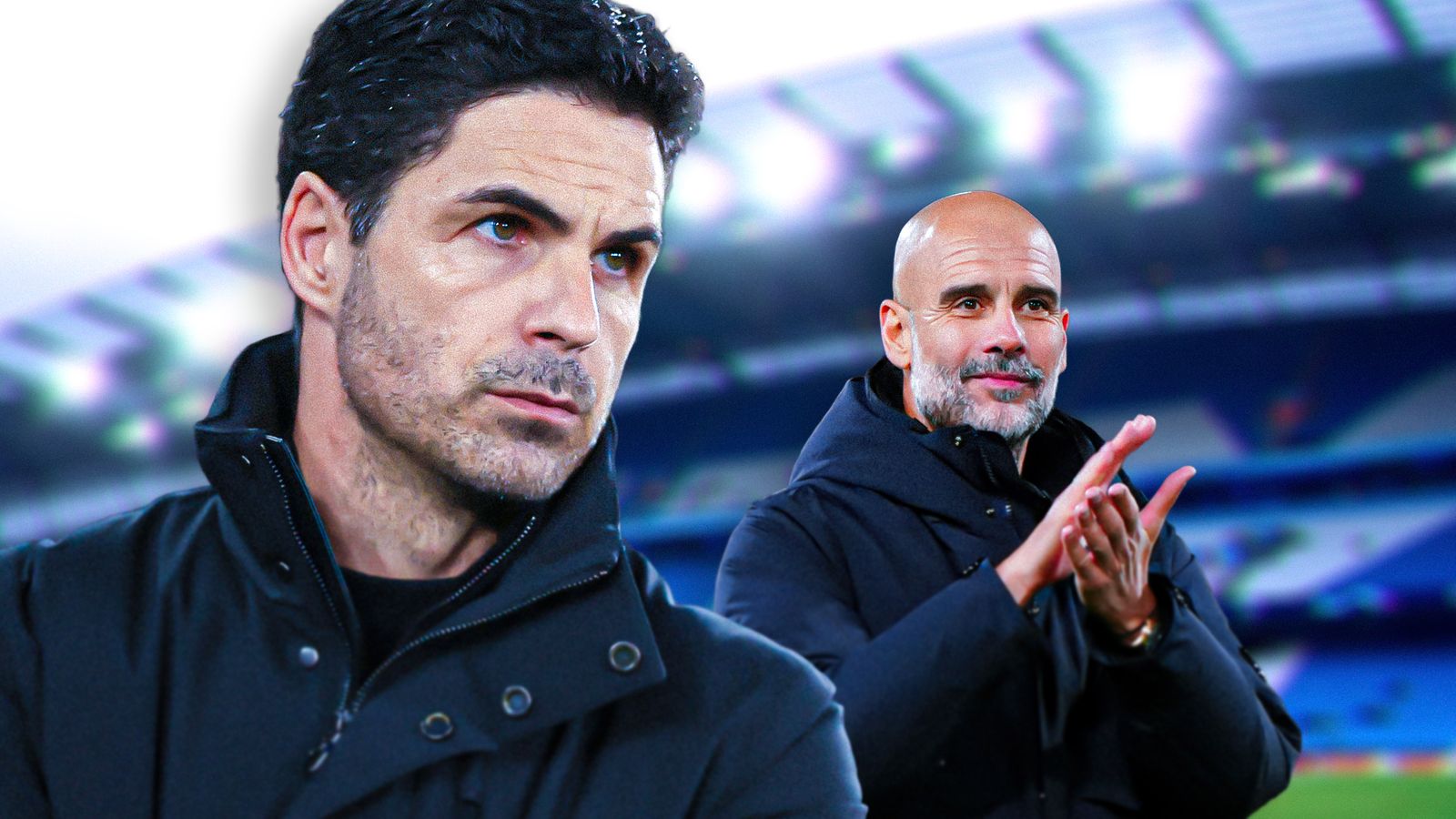
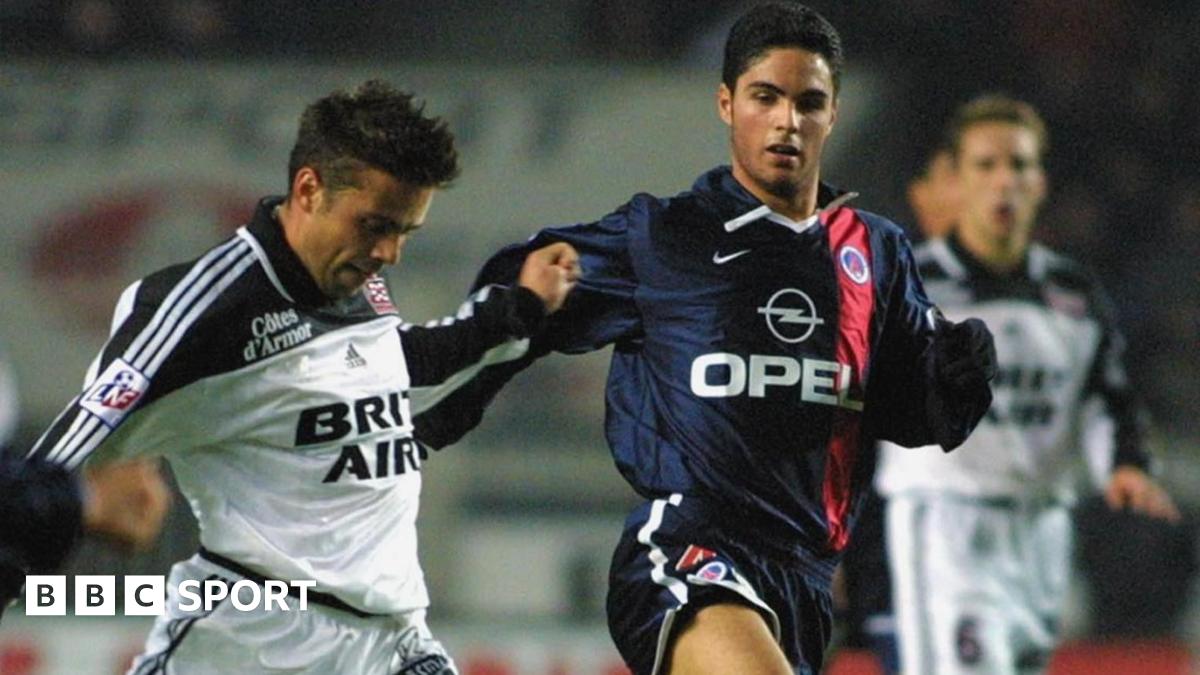
Mikel Arteta enters this fixture carrying the tactical weight of his own history. His 18-month loan spell at Paris St-Germain in the early 2000s remains the primary text for his current identity as a manager. During that period, he observed Mauricio Pochettino closely, internalizing the defensive rigidity and midfield spacing that now define his setup at Emirates Stadium.
Yet, the modern Arsenal requires more than just defensive discipline. As recent reports highlight, Arteta’s time learning from Pochettino and working with Jay-Jay Okocha in France installed a necessity for creative chaos alongside tactical strictness. The question for Saturday is whether Arteta can balance his rigid structural preferences with the flair his squad currently possesses in the final third.
Midfield dynamics and the speed trap
Crystal Palace’s recent success in the Europa Conference League serves as a warning for teams like Arsenal. Palace exploited the modern speed gap, favoring vertical transition over the slow-build midfield cycles that dominated English football for a decade. With the 2026 World Cup approaching on June 11, the pressure to secure a sharp, dominant performance is immense.
If Arsenal remains tethered to a static, slow-build approach, they risk drifting into the same inefficiencies that have plagued other high-possession sides this season. When discussing the recent European final, analysts pointed to the vulnerability of teams who lose touch with the pace of the game. Arsenal must demonstrate they are not becoming a secondary product of this evolving tactical environment.
The Anfield risk overshadowing the present
Distractions are mounting outside of the training ground. Liverpool’s pursuit of Yan Diomande at a staggering £130m has sparked debate about market sustainability, forcing every manager in the league to reconsider their own recruitment plans. Any failure on the pitch this weekend will be scrutinized through the lens of these growing squad insecurities.
Arteta has been quiet regarding his summer business, but the squad lacks a clear plan B. When the press hits in the 65th minute and the passing lanes close, Arsenal too often retreats into a horizontal game. This flaw is visible on the shot maps, where too many attempts are funneled from outside the box rather than carved out in the half-spaces.
Predictions for the upcoming heat
Victory here depends on verticality. If Arsenal can bypass the initial wave of the opposition press—utilizing their wide men to drag the defensive block narrow—they will find the space needed to finish the game convincingly. I expect a 3-1 victory, provided they resist the urge to turn this into a slow, tactical stalemate.
If the game hits the 70th minute tied, look for the substitutes to change the rhythm. Arteta has been criticized for conservative late-game swaps, but today he needs to be aggressive. He is a tactician who studies the game deeply, but he must prove he can act when the rhythm shifts against him. This is the moment to show that his PSG-influenced education has prepared him for more than just organization—it must prepare him for decisive action.
Read Next
- How a weird PSG loan turned Mikel Arteta into a manager
- Manchester United are sleepwalking into another summer of uncertainty
- Arsenal's Champions League final gamble rests on one key tactical shift
- Tonight is the Champions League Final, not an awards ceremony
- ⭐ UCL 2026 — Champions League Quarter-Finals Hub