The status of the winger's recovery
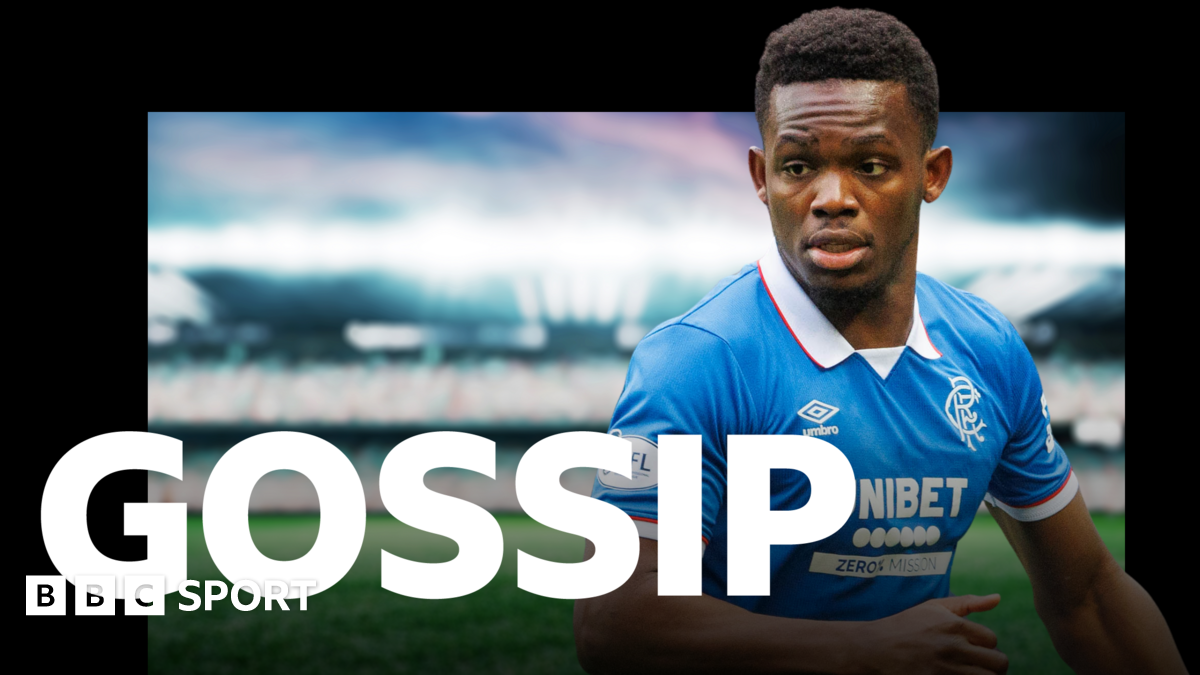
Rangers winger Curtis is currently sidelined, creating a difficult situation for both the player and the club’s front office. The timing of this injury coincides with ongoing negotiations regarding his contract renewal. While the club remains focused on building depth to challenge for the title, medical staff are managing a delicate recovery window that threatens to push his return into the early stages of the summer schedule.
Recovery timelines for lateral ligament issues in wingers typically span six to eight weeks. If Curtis misses the start of his recovery trajectory, he risks falling behind the conditioning phase required for the upcoming season. Given the physical demands placed on wide players in the Scottish Premiership, rushing this return is a move the club has historically avoided to prevent recurring setbacks.
Contract negotiations under pressure
The uncertainty surrounding his fitness has shifted the leverage in recent contract talks. Rangers management is attempting to secure long-term stability for the squad, but the winger’s camp is likely watching the field recovery metrics closely before committing to new terms. It is a classic football dilemma: the club wants a deal signed before his value fluctuates, while the player prioritizes his medical prognosis.
Reports suggest Rangers are prioritizing this extension as part of a wider push to solidify their flanks. As the BBC reported, the club is aggressive in its pursuit of squad stability while rivals like Celtic look to revamp their midfield options. The current stalemate leaves the winger in a precarious position.
The broader impact on squad depth
Losing a player of this profile forces the manager to shuffle the formation significantly. Without a natural width provider, Rangers have been forced to tuck their fullbacks higher, which exposes the central defensive unit to counter-attacks. This tactical shift has yielded mixed results in recent league fixtures, showing a lack of natural transition play.
Critics point to the club’s lack of a direct replacement for his specific skill set as a major flaw in this summer's planning. If the recovery stalls, the team will be forced into the transfer market dynamics already shifting across Scotland. Aberdeen and Dundee United are also active, meaning competition for any available attacking talent will quickly escalate in price.
Historical context and risk
Similar scenarios involving Rangers wingers have often ended in extended absences. In previous seasons, attempts to play through mild discomfort resulted in tears that required surgery to rectify during the off-season. The medical staff at the training facility is reportedly taking a conservative stance, preferring to sacrifice early pre-season minutes for long-term durability.
The financial cost of maintaining a top-tier roster while dealing with consistent availability issues is becoming a recurring theme. With a salary valuation estimated at GBP 1.2 million annually, the impact of his absence is not just tactical but fiscal. Management must decide if the gamble on his physical recovery is worth the investment, or if they need to pivot toward younger, cheaper alternatives who are currently available on the market.
This injury represents a failure in load management during the high-intensity weeks of late spring. There is an argument that the rotation policy should have factored in his chronic fatigue much earlier in the cycle. By the time the staff noticed the drop-off in his sprints per match, the damage was already done. Moving forward, the recruitment team faces the task of balancing squad depth with the high-stakes financial commitments of current contracts.
Read Next
- Lawrence Shankland's move to Rangers is the ultimate vanity project
- Top 10 Moments in Recent Football History
- Lawrence Shankland injury fears loom ahead of pivotal Rangers stretch
- Tottenham fans are dunking on Vinai Venkatesham for his five-star hotel remark
- ⚽ Scottish Premiership 2025-26 — Celtic vs Rangers Hub