Tactical balance shift in Houston
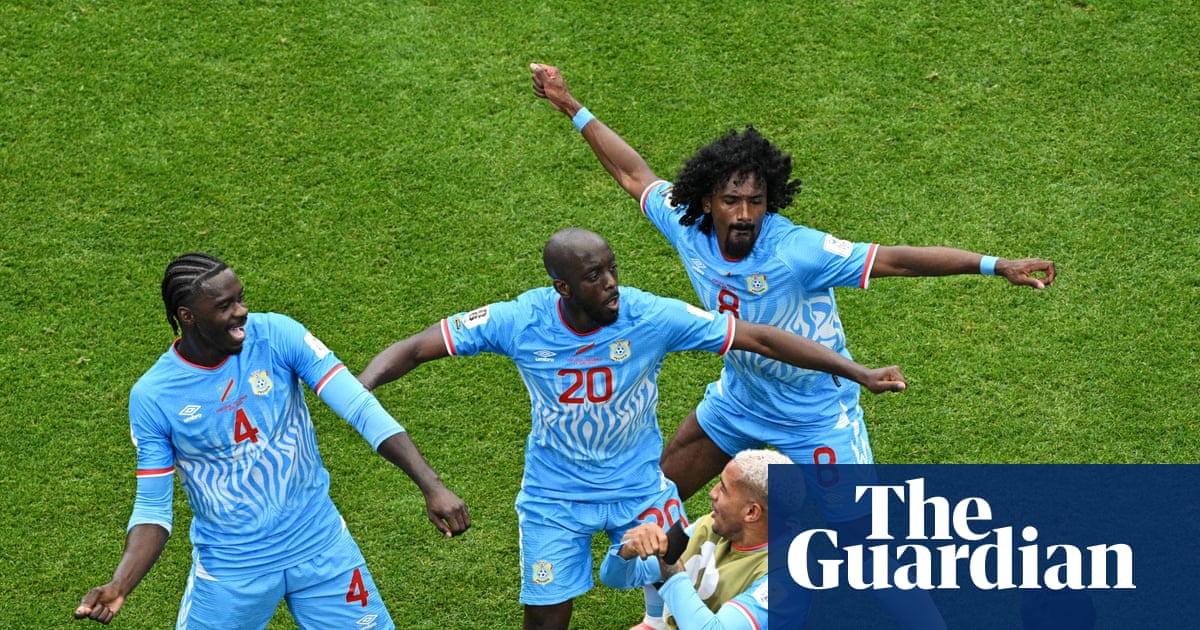
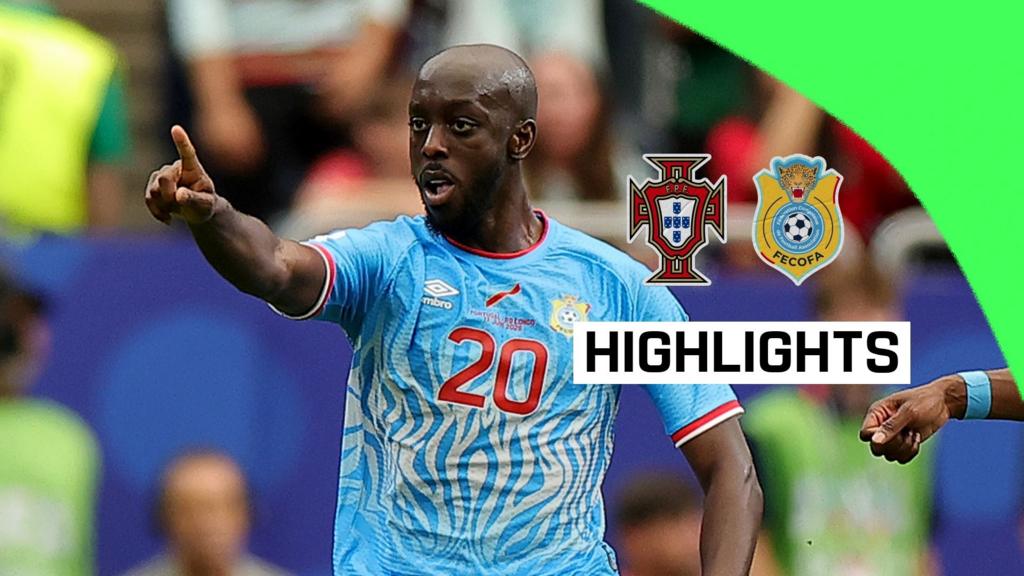
Portugal walked into Houston Stadium expecting a routine three points. Instead, they encountered a Congolese side that refused to buckle after conceding the opener, ultimately forcing a 1-1 draw that leaves Group K wide open. For observers targeting clinical transitions, this match served as a masterclass in restorative defensive shape.
The Portuguese setup relied heavily on overlapping fullbacks to stretch the pitch. By the 20th minute, their frequency of wide crossing had created significant volume, yet the execution remained pedestrian. DR Congo countered this by moving into a rigid 4-5-1 formation during sustained defensive spells, effectively choking off the half-spaces between their defensive and midfield lines.
The mechanism behind the draw
The Congolese discipline stood out. When Portugal moved the ball into the final third, the defensive screen rarely dropped deeper than 25 yards from goal. This prevented the kind of cut-back opportunities Portugal exploited during their qualifiers. The data bears out this frustration: while Portugal maintained 64% possession, their expected goals total plateaued significantly after the first 30 minutes.
As reported by the BBC, the result forces a reset for the favorites. DR Congo managed to exploit the space vacated by the advancing Portuguese wing-backs on the counter-attack, using direct vertical balls to disrupt the opposition’s high defensive line. It was an exercise in pragmatism over possession, and it yielded the critical equalizer that altered the group trajectory.
Areas of concern for the knockout phase
Despite the result, there is a lingering issue regarding tactical recovery speed. DR Congo players fatigued rapidly after the 75th minute, leading to sloppy clearances which invited unnecessary pressure. A more ruthless opponent will punish these individual errors in transition. If the coaching staff cannot manage rotation effectively for the next fixture, the physical toll will outweigh the current momentum.
Portugal faces an internal crisis of confidence after failing to close out the match against an underdog. Their inability to break down a low block is not a sudden trend but a recurring weakness that has plagued them for two tournament cycles now. The lack of movement from their central strikers meant that the Congolese center-backs had an easy afternoon of man-marking.
Prediction for the remaining group matches
Expect Portugal to shift toward a narrower attacking structure to compensate for their lack of creative spark from the flanks. They need to integrate more central progression before the final group match. However, the confidence flowing through the Congolese squad suggests they will secure at least a point in their next engagement.
I expect the return fixtures in Group K to remain tight, but Portugal will struggle to reclaim the tactical initiative. My prediction: Portugal finishes the group stage with a negative goal difference if they continue to prioritize wide play over central penetration. The Houston draw is not a fluke; it is the blueprint for how to disrupt their rhythm.