The Gulf State investment paradox
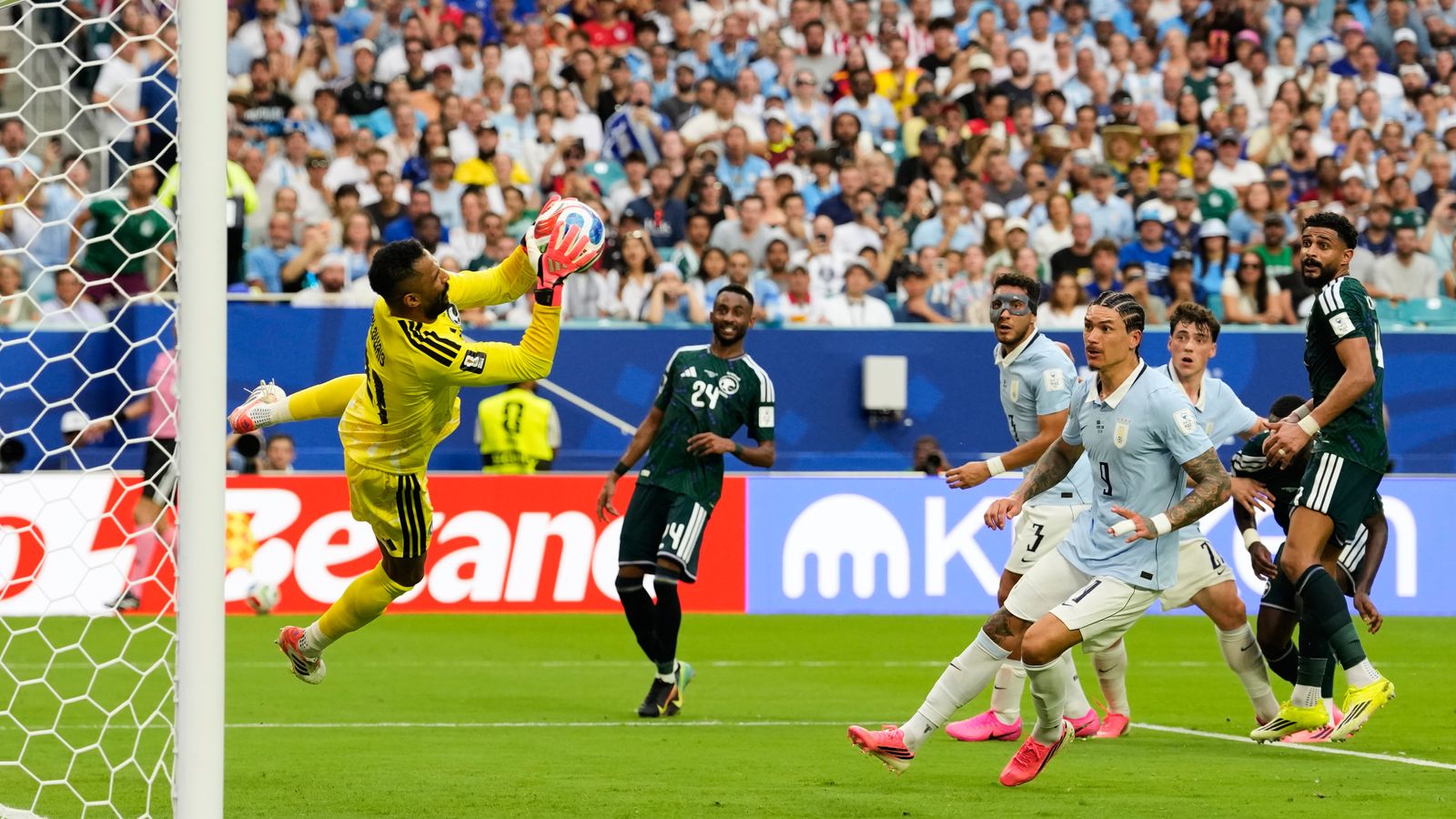
Saudi Arabia’s draw against Uruguay signals progress, but the raw data suggests the gulf between club spending and international performance remains wide. Despite an influx of capital flooding the Saudi Pro League, the national set-up struggles to mirror the technical efficiency of South American opposition.
The Saudi Pro League has seen an unprecedented injection of funds, yet the national team currently operates with only 14% of its squad minutes coming against elite-tier FIFA-ranked opponents over the last calendar year. Compare this to Uruguay, where over 60% of the squad plays in top-five European leagues, providing a consistent exposure to high-press tactical demands that domestic training cannot replicate.
Tactical stagnation in the Pro League
The core issue is the disconnect between the domestic league's pace and the speed of international football. While high-profile foreign signings attract viewers, they often occupy the creative channels that local talent needs to develop, effectively capping the ceiling for young Saudi prospects.
In the match against Uruguay, ball progression metrics highlighted this deficiency. The Saudis completed only 68% of passes in the final third, a figure that drops to 44% when under high-pressure scenarios. This indicates a team comfortable in possession against lower-tier domestic clubs but paralyzed when the defensive line is squeezed by opposition like Uruguay.
The Iran-New Zealand cautionary tale
World Cup campaigns often fall victim to off-field noise, as seen in the tense opener between Iran and New Zealand. When external pressure mounts, tactical discipline is the first casualty, a trend that could derail Saudi momentum if they prioritize league optics over international development.
Saudi Arabia’s reliance on deep blocks creates a false sense of security. They typically surrender 65% of possession to stronger sides, relying on counter-attacks that rarely exceed 1.2 xG per 90 minutes. This defensive shell may win them a draw, but it fails to build a sustainable model for deep tournament progression.
The investment efficiency gap
Money in the Saudi Pro League has brought world-class coaching, yet national team conversion rates remain stagnant at 9%. This points to a fundamental flaw in the development funnel. If the purpose of massive club spending is to elevate the national team as recent reports suggest, the strategy currently prioritizes star-power over foundational structural improvement.
We are watching a team attempt to buy its way to top-ten status while utilizing an archaic domestic development pathway. The 2026 World Cup is the ultimate measurement tool, and currently, the numbers show a team sprinting in place while their South American counterparts move forward.
Read Next
- Saudi Arabia’s tactical discipline almost stifled Uruguay's attack
- Uruguay's tactical stagnation against Saudi Arabia is a alarm bell
- The Uruguay fallout: What went wrong for Bielsa in Miami?
- Saudi Arabia against Uruguay is a tactical nightmare for the Saudis
- ⭐ Saudi Pro League 2025-26 — Ronaldo, Al Nassr & the Title Race
- 🇸🇦 Saudi Arabia World Cup 2026 — Green Falcons Hub