The tactical breakdown of a stagnant opener
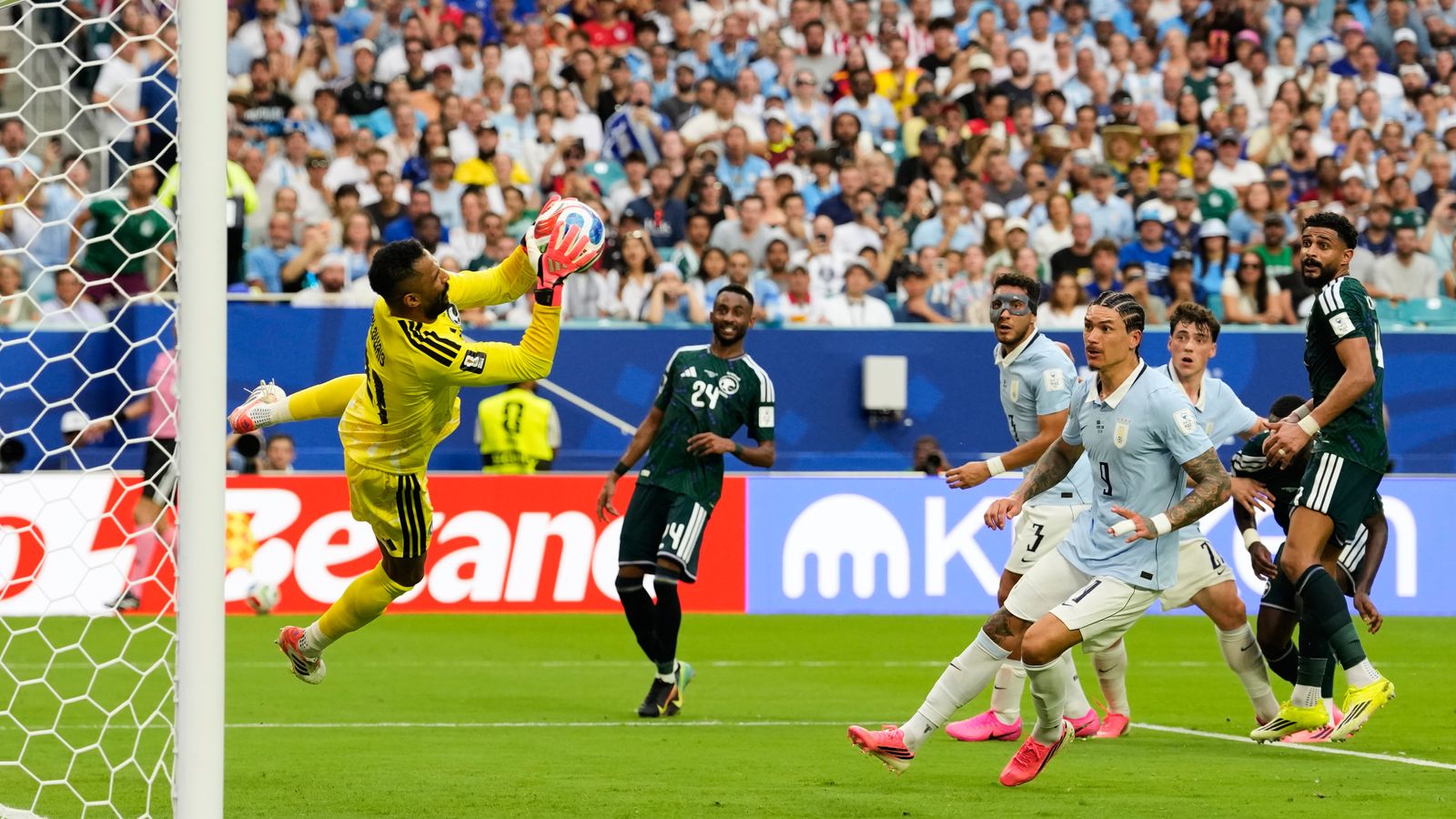
Marcelo Bielsa arrived in Miami with the reputation of a footballing purist, yet his Uruguay side looked anything but fluid in their Group H curtain-raiser against Saudi Arabia. The 1-1 draw confirmed what many skeptics feared: a high-pressing system requires perfect synchronicity, and Uruguay lacked the necessary bite in the final third. Saudi Arabia executed a low block with precision, effectively funneling Uruguay into wide areas where chances were effectively neutralized.
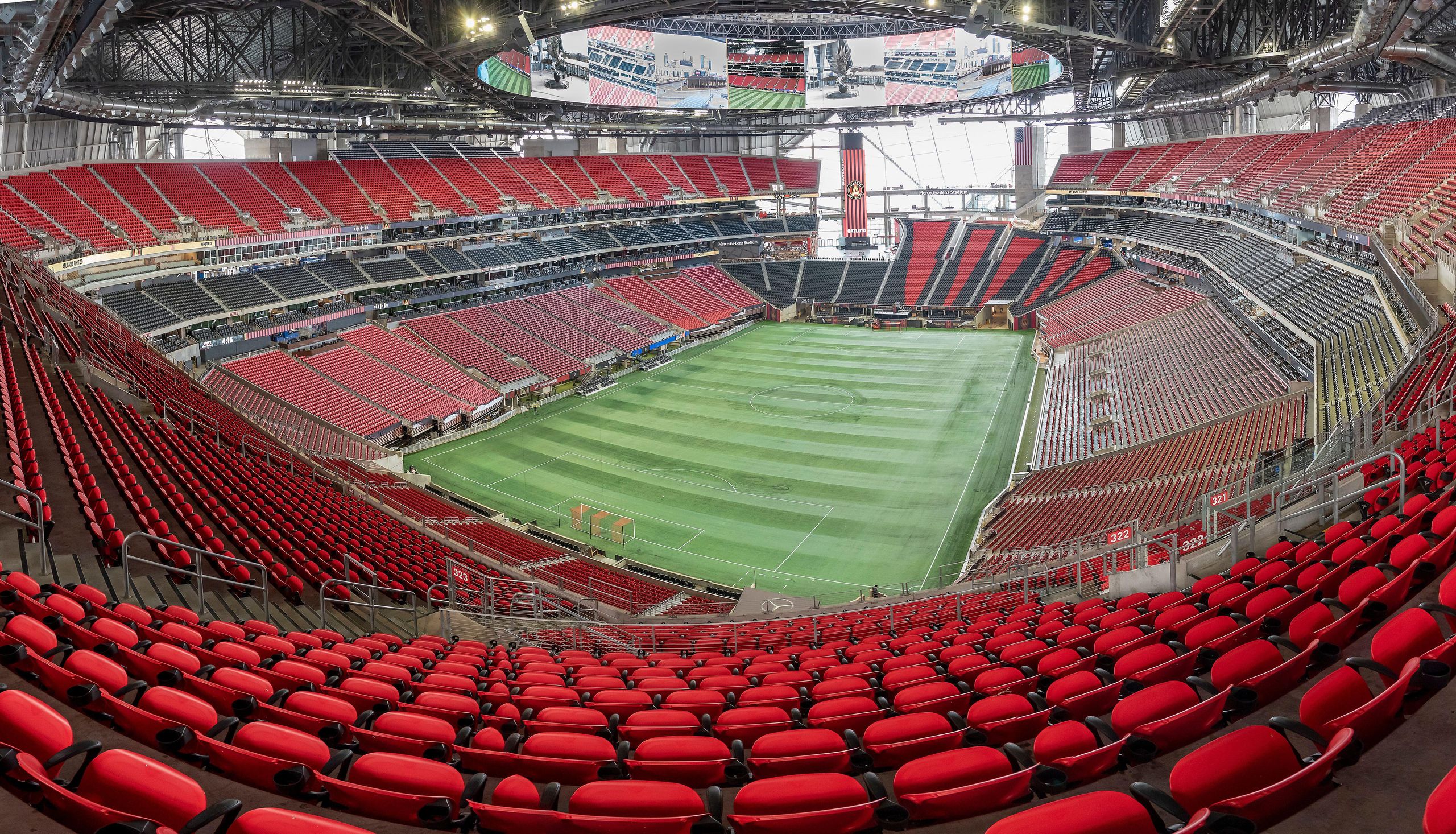
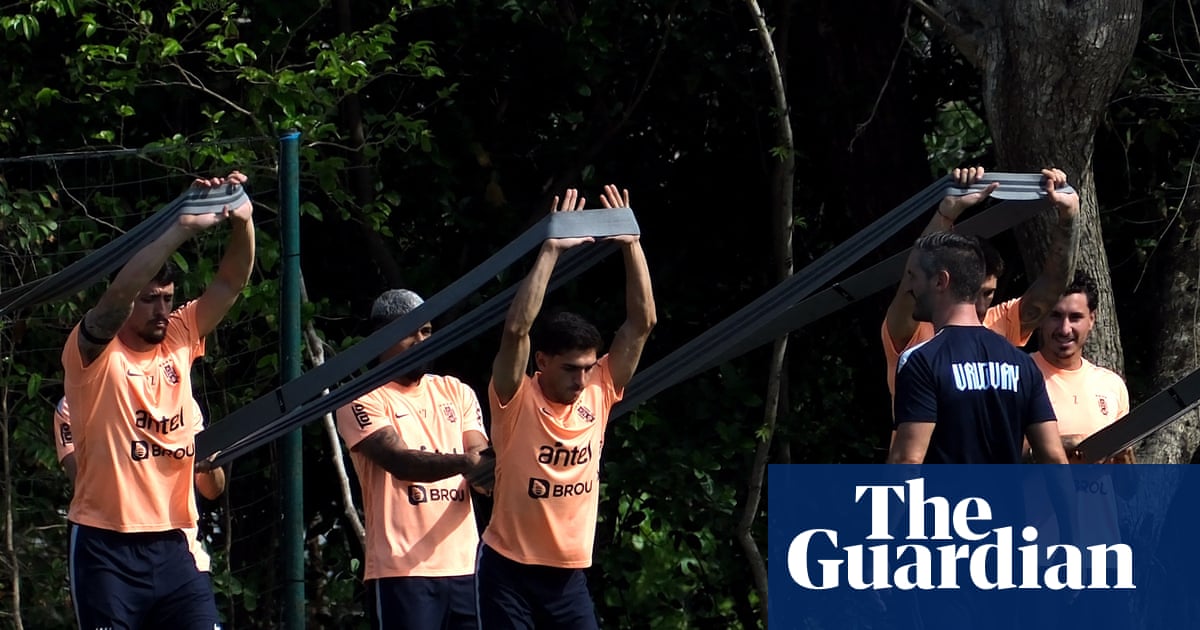
As The Guardian reported, the atmosphere at the Miami Stadium suffered from an odd disconnect, characterized by thousands of empty seats despite the official ticketing narrative. This lack of engagement on the field was reflected in Uruguay’s labored build-up play. They struggled to bypass the initial line of pressure, leading to a frustrating loop of horizontal passing that rarely troubled the Saudi defensive structure.
Why the Bielsa plan hit a ceiling
The reliance on individual snapshots
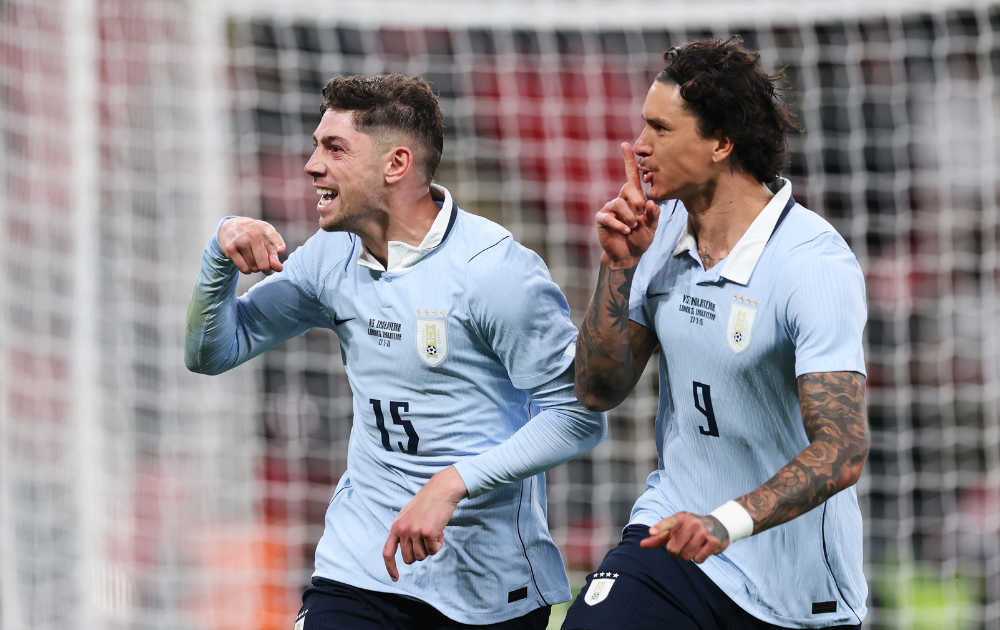
The savior moment in the 80th minute via Maxi Araujo saved a point, but it masked deep-seated issues with rhythm. Uruguay spent nearly three-quarters of the match chasing shadows, unable to turn their territorial dominance into high-quality looks. While Saudi Arabia relied on goalkeeper heroics to force the stalemate, the reality is that Uruguay failed to adjust their spacing until desperation forced a tactical shift in the final ten minutes.
We saw this same phenomenon earlier in the week during the Belgium-Egypt draw. Elite nations are currently struggling to penetrate organized, deep-sitting defenses that prioritize numerical superiority in the penalty area. For Uruguay, the lack of a secondary creative outlet meant that once the primary passing lanes were cut, the attack stagnated.
The defensive discipline shown by the Saudis deserves credit, yet this was a tactical failure for the South American side. They failed to utilize the half-spaces effectively, and their tendency to cross from deep invited clearing headers rather than creating chaos. If Bielsa cannot introduce more verticality against tighter defensive shapes, the group stage will become a slog rather than a procession.
Looking ahead to the next fixture
Uruguay now faces the pressure of needing a decisive win to regain momentum. They cannot afford another performance where the midfield remains disconnected from the front line for an hour of play. Watching them drift without a plan suggests the squad might be over-reliant on individual moments of brilliance rather than collective patterns.
Predicting the path forward is difficult when the foundation of the system is so fragile. If they maintain this current tactical posture, they will continue to frustrate their own supporters. Expect an immediate personnel shift in the next match; sticking to the same approach would be a tactical error that the squad arguably cannot survive.
Read Next
- Saudi Arabia’s tactical discipline almost stifled Uruguay's attack
- Uruguay's tactical stagnation against Saudi Arabia is a alarm bell
- Saudi Arabia against Uruguay is a tactical nightmare for the Saudis
- Spain’s World Cup opener exposed their biggest tactical weakness
- 🏆 World Cup 2026 — Full Coverage Hub
- 🇺🇾 Uruguay World Cup 2026 — La Celeste Hub
- 🇸🇦 Saudi Arabia World Cup 2026 — Green Falcons Hub