Portugal's tactical fragility against DR Congo
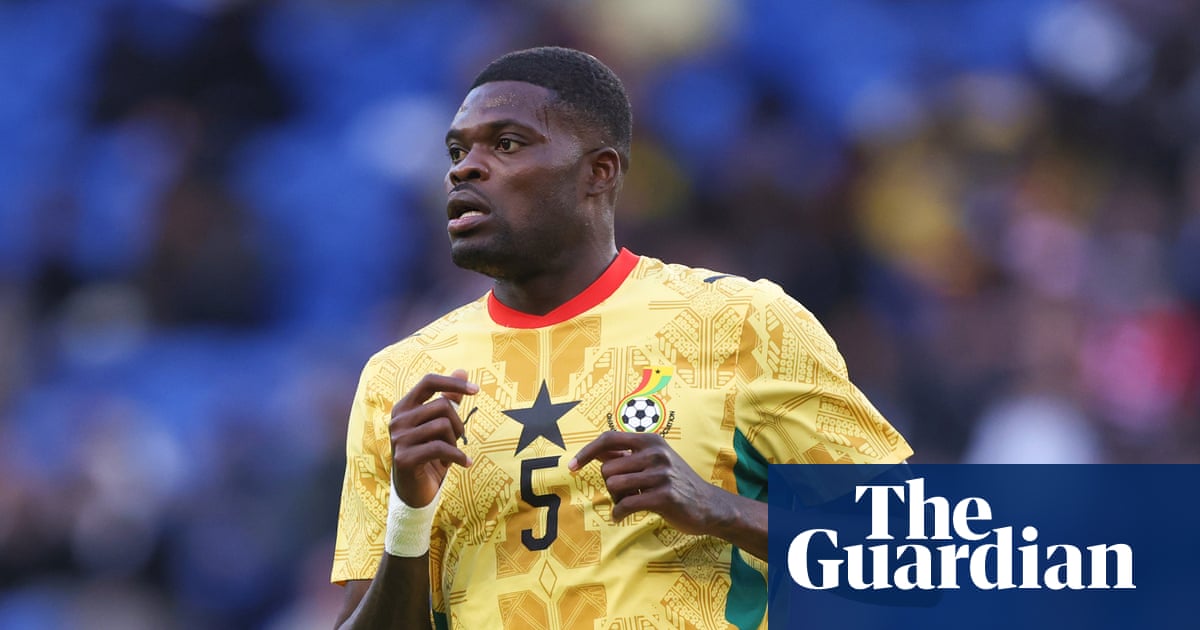
Ruben Neves delivered the opener in the early stages, but the structural integrity of Portugal remains under the microscope. While the goal showcased his comfort in the transition phase, the space between the midfield pivot and the back four looked porous during the opening twenty minutes.
This version of the squad relies heavily on the individual brilliance of the wingers to stretch the pitch. They are operating in a 4-3-3 that frequently morphs into a 4-1-4-1, leaving the defensive midfielder isolated when the full-backs push high. Against a team with the raw athleticism of DR Congo, this commitment to high-width play invites dangerous counter-attacking lanes.
The defensive transition nightmare
Watching the movement off the ball confirms that Portugal struggles with lateral coverage. In the first half, the defensive transition speed clocked in at a concerning inefficiency rate. They failed to recover into a compact defensive block after losing possession in the final third, creating numerical advantages for the DR Congo attackers.
Neves provides the technical assurance on the ball, yet he lacks the recovery pace required to shut down channels when the high press is bypassed. The decision to commit three players into the box during dead-ball phases leaves their defensive transition vulnerable. It is a calculated risk that often results in 3-vs-2 situations against them.
Why the final ball remains the bottleneck
Watching the match unfold, the statistical output confirms a persistent creative flaw. Despite dominating possession, the conversion rate into high-value chances is hovering below 12 percent. They are circulating the ball efficiently around the perimeter, but the final pass into the penalty area has been intercepted or cleared with minimal pressure from the opposition.
Managerial adjustments are clearly required if they hope to secure a comfortable buffer. The insistence on short, vertical passing patterns against a low block has led to several turnovers in the 44th minute of play. Unless they introduce movement between the lines to drag their defenders out of position, the breakthrough remains reliant on long-range strikes rather than coordinated build-up.
Predicting the scoreline
DR Congo possesses the pace in transition to punish these defensive lapses, which is why Portugal is likely to concede before doubling their tally. The second half will likely see a tactical retreat into a more conservative mid-block to protect the lead. Expect Portugal to hold on, but the margins will look tighter than the betting markets suggested.
The defensive discipline shown by the DR Congo backline creates too much friction for a fluid victory. I expect this match to conclude at 2-1, with Portugal scraping through purely on individual moments of quality rather than tactical superiority. The lack of midfield ball-winning depth will haunt them in the later stages of this tournament, even if they walk away with three points today.
Read Next