The PSR casualty who refused to quietly fade away
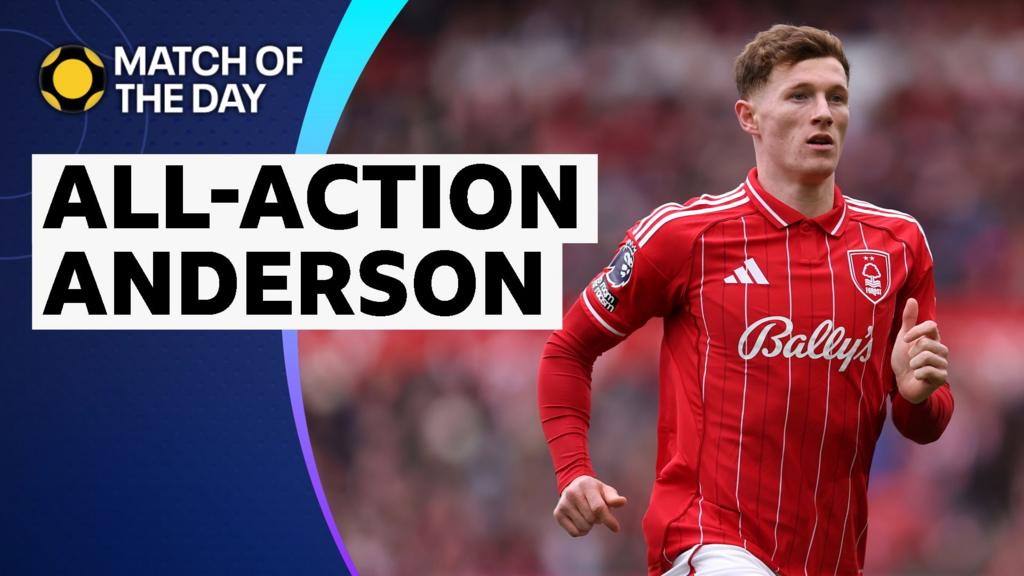
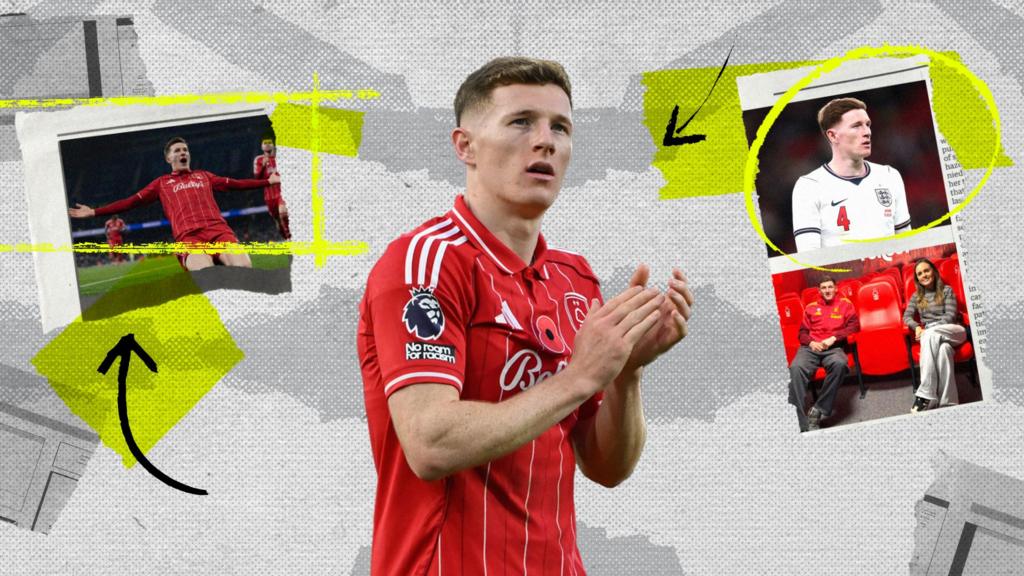
If you told a Newcastle United fan back in June 2024 that their beloved academy product would be knocking on the door for the 2026 World Cup, they probably would have thrown a pint of brown ale at your head. But here we are. Elliot Anderson didn't just leave St James' Park; he was shoved out the exit door to balance an accountant's spreadsheet. The modern game is utterly ruthless.
It was a £35 million financial trick that accidentally handed Nottingham Forest their most exciting midfield maverick in a decade. We all thought we knew the script. The narrative was completely focused on Newcastle's misery and the broken financial rules of the Premier League. Nobody actually stopped to ask what this meant for Nottingham Forest.
He was supposed to get completely lost in the bloated, constantly rotating circus that is the Forest dressing room. This is a club that buys players like they are collecting trading cards. Instead, Anderson grabbed the starting shirt, told the senior players to step aside, and simply refused to give it back. He has been the absolute heartbeat of a team that nobody expected to survive.
The City Ground's revolving door and the Vitor Pereira factor
Now, let's talk about Nottingham Forest. Calling their season a 'rollercoaster' is a massive insult to actual rollercoasters. Rollercoasters have tracks, safety harnesses, and a predictable end point. Forest operate more like a shopping cart full of fireworks hurtling down a very steep, very bumpy hill.
When Evangelos Marinakis finally pulled the trigger on his inevitable mid-season managerial sacking and brought Vitor Pereira to the City Ground, the collective groan from the Trent could be heard all the way in Leicester. Fans were exhausted. We expected negative football, a defensive slog, a five-at-the-back low block, and an inevitable touchline ban for the new boss.
But Pereira did something completely unexpected. He stopped trying to force this mismatched squad into a rigid tactical box and just let them play. As Anderson told Sky Sports this week, the managerial shift changed everything for him. Pereira didn't hand out complex tactical diagrams on iPads. He didn't bore them with three-hour video sessions.
He just pushed Anderson ten yards further up the pitch and told him to cause absolute chaos. In a Premier League era obsessed with control, inverted full-backs, and endless, mind-numbing sideways passing, Pereira gave Anderson the green light to take ridiculous risks. He wanted him to be the main protagonist.
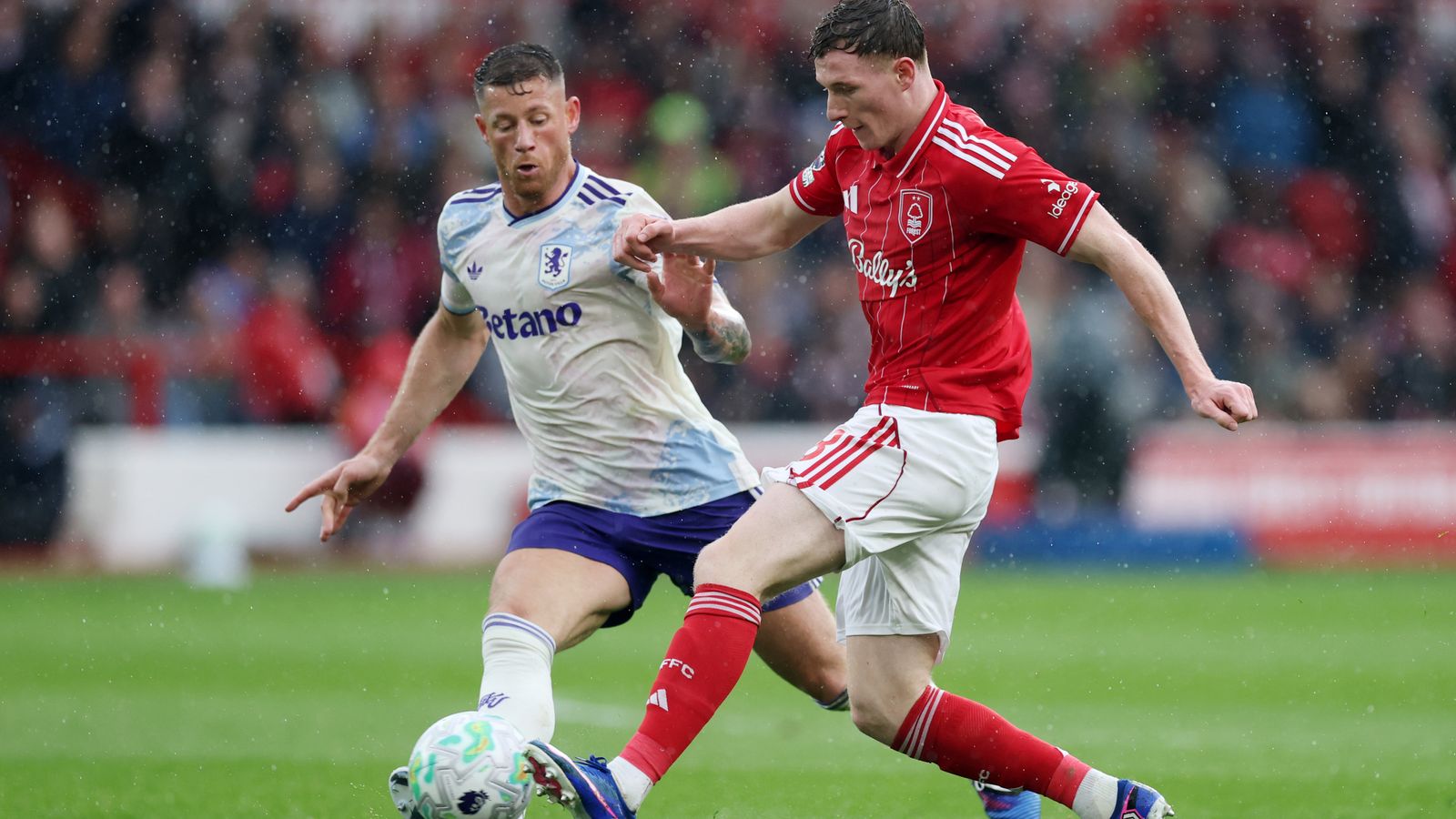
You could see the shift immediately. Instead of dropping deep to collect the ball from the center-backs and playing safe horizontal passes, Anderson started receiving it on the half-turn in the final third. He actively wants to ruin the opposing defensive midfielder's afternoon. He thrives on making established international players look incredibly silly.
The glaring flaws in his game
Let's not get completely lost in the hype train, though. If we are being brutally honest, Anderson still has massive, glaring holes in his game. For all the highlight-reel turns and defense-splitting passes, he still has matches where he turns completely invisible. The consistency is just not there yet.
Look back at the 3-0 capitulation against Bournemouth in February. Anderson spent 90 minutes chasing shadows. He was dispossessed four times in his own half and looked entirely disinterested in tracking back when his team lost the ball. You absolutely cannot do that at the elite level. If you are playing a deep block against France or Brazil, jogging back into shape rather than sprinting is a fatal flaw.
Then there is his decision-making in the final third. Anderson has a frustrating, almost arrogant habit of trying to score the Goal of the Season every single time he touches the ball within thirty yards of the net. During the Crystal Palace game last month, he had Taiwo Awoniyi completely unmarked in the box for a simple, match-winning tap-in.
Instead, Anderson tried a ludicrous outside-of-the-boot curling effort that ended up in row Z. Awoniyi was screaming at him, the fans were groaning, and rightly so. He is currently averaging 3.1 shots per game from outside the box, and his conversion rate on those speculative strikes is genuinely terrible. He needs to learn when to play the simple pass.
A midfield street fighter
Despite the flaws, the England question is getting louder by the day. The 2026 World Cup kicks off on June 11. That is exactly 27 days away. The Three Lions midfield is already packed with household names like Jude Bellingham, Declan Rice, and Phil Foden. The competition for spots is historically fierce.
Can a Nottingham Forest midfielder actually crash that party? It sounds completely insane until you look at the profile of player England lacks. They have ball-winners. They have metronomic passers. They have guys who will happily retain possession for ninety minutes.
What they do not have is a bowling ball of a midfielder who can break a low block through sheer physical stubbornness. Anderson averages 4.2 progressive carries per 90 minutes. He is a robust, nasty player when he wants to be. He doesn't get bullied off the ball by massive center-backs.
He actively looks for contact, waits to feel the defender on his back, and then rolls them completely out of the play. It is street football adapted for the Premier League. When England are inevitably drawing 0-0 against a team defending with ten men behind the ball, that is exactly the profile of player you want on the pitch.
Let's rewind to the fixture against Arsenal at the Emirates. Forest were getting battered, completely starved of possession. Every time they cleared the ball, it came straight back. Then Anderson decided he had enough. He picked up the ball deep in his own half, shrugged off Thomas Partey, nutmegged Ben White, and carried the ball sixty yards up the pitch.
He didn't score, but he completely relieved the pressure. He changed the entire momentum of the game through pure, unfiltered aggression. That is the trait Gareth Southgate's successor must be looking at right now.
The battle against Mainoo and Wharton
If we are going to realistically assess his World Cup chances, we have to look at the direct competition. Anderson isn't fighting Jude Bellingham for a starting spot; he is fighting Kobbie Mainoo and Adam Wharton for a seat on the plane. And that is where the debate gets incredibly spicy.
Mainoo is the golden child at Manchester United, smooth as silk and tactically flawless. Wharton is the crystal-clear passer at Crystal Palace who never seems to give the ball away. Both of them are brilliant, but both of them are essentially control players. They dictate tempo. They calm things down.
Anderson is the exact opposite. He is an accelerant. When he gets the ball, the tempo immediately spikes. He isn't interested in circulating possession to the full-backs; he wants to drive a stake through the heart of the defense. In tournament football, you need both profiles.
Think back to the European Championships. England suffered because they had too many players who wanted to slow the game down. They lacked a runner from deep who could disrupt a set defense. Anderson provides that disruption. He is the guy you throw on when Plan A has completely failed and the crowd is turning toxic.
There is also the intangible connection he has built with the City Ground faithful. Forest fans are a cynical bunch. They have seen dozens of overpaid mercenaries collect a paycheck and jog around the pitch. They immediately recognized that Anderson was different.
He flies into tackles. He argues with referees. He celebrates a perfectly timed sliding tackle in front of the Trent End like he just scored a hat-trick. That kind of passion is infectious, and it has masked a lot of the structural deficiencies in Forest's squad this year.
The final verdict on the 27-day wait
Whether he makes the final squad or not, this season has been an undeniable triumph for Anderson. He survived the PSR madness that threatened to derail his early career. He survived the Forest managerial carousel that has chewed up and spit out far more experienced players.
He has turned a chaotic career detour into a genuine showcase of his raw talent. Vitor Pereira deserves massive credit for unlocking him, but the player himself did the heavy lifting. He fought his way out of the mud and into the national conversation.
International football is a war of attrition. The matches are tight, ugly, and physically draining. Having a wildcard option who can come off the bench in the 75th minute, completely ignore the tactical setup, and just beat three men off the dribble is a massive asset.
The next 27 days are going to be pure agony for him. The highlight reels are circulating on social media. The stats are there for the national team selectors to review. The Sky Sports interviews are acting as his final public pitch.
All he can do now is wait for the phone to ring. He has done his part. And if the call doesn't come? Well, there is always next season at the City Ground. Assuming Marinakis doesn't blow the whole project up again by August.
Read Next
- Michael Carrick is nearing the permanent Manchester United job
- Why Liverpool’s first fifteen minutes are costing them a title
- The Michael Carrick Gamble: Can United actually pull this off?
- Manchester United are betting their future on Michael Carrick
- 🏆 World Cup 2026 — Full Coverage Hub
- 🏴 England World Cup 2026 — Three Lions Hub