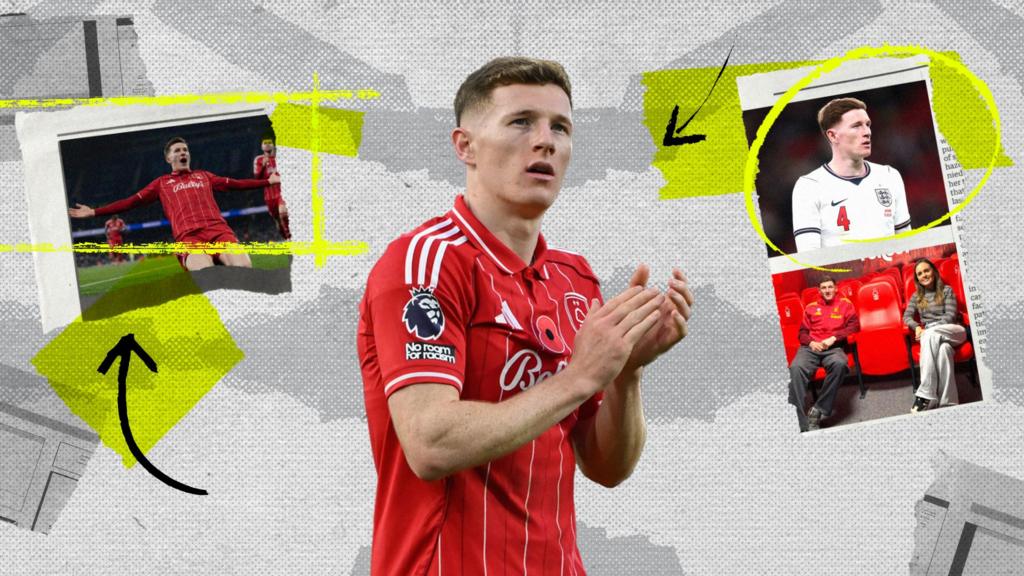
The transition from Newcastle luxury to Forest essential
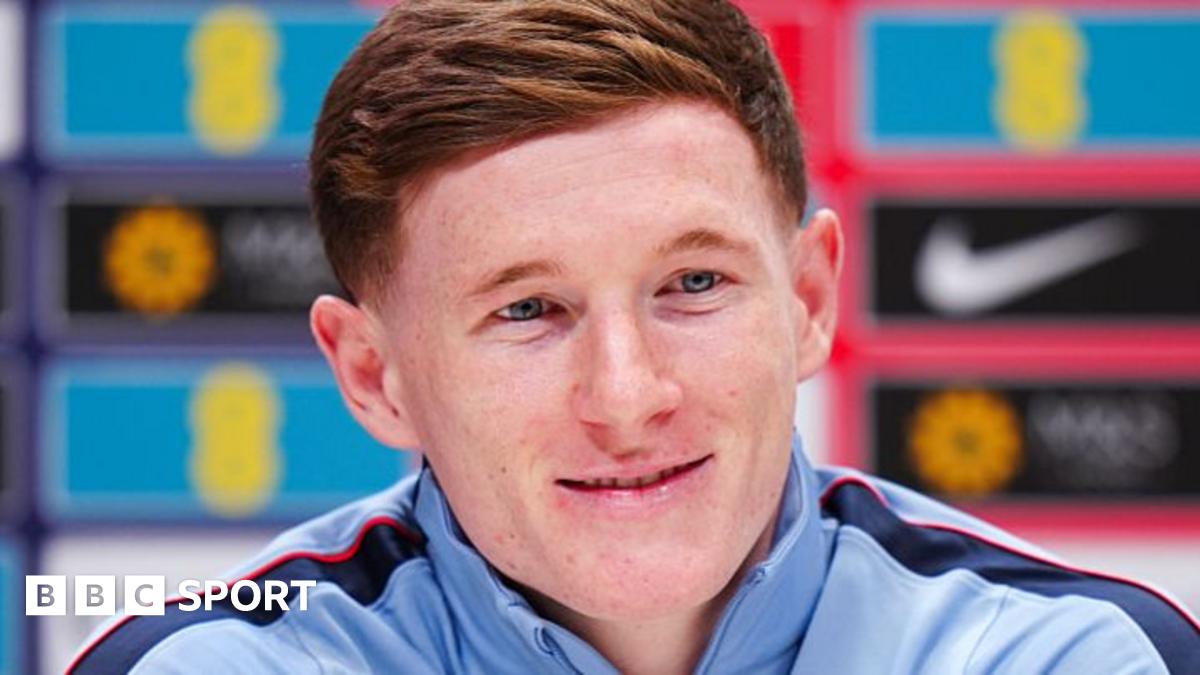
When Elliot Anderson moved from Newcastle to Nottingham Forest, the conversation focused primarily on PSR accounting and 'pure profit' loopholes. He was viewed as a talented but quiet academy product, a useful cog in a larger machine who might struggle to lead a midfield of his own. The recent BBC sit-down with Kelly Somers has shattered that perception, revealing a player who has used the last 18 months at the City Ground to undergo a total personality transplant.
Anderson admitted to Somers that he was once 'shy' and suffered from nerves in the England youth setup. You wouldn't know it by watching him direct traffic during the 2-1 win over Wolves last Saturday. He spent ninety minutes pointing at passing lanes and demanding that his teammates maintain their defensive structure. This isn't just a young man growing up; it is a tactical evolution that has changed the ceiling of this Forest team.
For too long, Forest relied on individual brilliance from wide areas to generate threat. Under the current system, Anderson has become the connective tissue. He operates in that awkward space between the opposition’s right-winger and their holding midfielder, consistently providing a 45-degree passing option that resets the attack when the wings are blocked. He is no longer the shy kid from Whitley Bay; he is the man Forest trust to keep the ball under pressure.
The metrics of a modern midfield leader
The numbers back up the visual evidence of his growth. Anderson is currently averaging an 84% pass completion rate in the final third, which puts him in the top decile for midfielders outside the traditional big six. But it’s not just about safe sideways passes. His progressive carry distance has increased by nearly thirty percent since his Newcastle days, showing a willingness to drive into the heart of the block rather than recycling possession.
Tactically, his biggest contribution is his understanding of 'rest-defense.' When Forest are in possession, Anderson is rarely caught ball-watching. He is constantly scanning the pitch to identify where the counter-attack might start. In the recent draw against Brighton, his positioning prevented three separate transition opportunities before they even began. He effectively neutralized one of the best counter-pressing teams in the league simply by standing in the right hole at the right time.
This spatial awareness is exactly what was missing from his game two seasons ago. He used to be a player who reacted to the ball. Now, he anticipates the movement of the opposition. It’s the difference between a high-energy runner and a genuine midfield general. As Anderson told the BBC, he had to force himself out of his comfort zone to reach this level of influence.
Why the World Cup door is standing wide open
We are exactly forty days away from the FIFA World Cup 2026 kickoff in Los Angeles, and the England midfield remains a puzzle with several missing pieces. Beyond the guaranteed starters like Declan Rice and Jude Bellingham, there is a desperate need for a player who can provide technical security without needing the spotlight. Anderson fits the profile of the 'tactical sub' or the group-stage rotation option perfectly.
He offers a versatility that few other fringe candidates possess. He can play as a left-sided number eight in a 4-3-3 or drop deeper into a double-pivot if the game requires more defensive solidity. Most importantly, he doesn't panic. In a tournament setting where the heat and the stakes often lead to hurried decision-making, having a player who can maintain an 87th minute composure is invaluable. His recent performance against Liverpool showed he can handle elite-level pressing without turning the ball over in dangerous areas.
The England coaching staff have reportedly been frequent visitors to the City Ground over the last month. They aren't just looking at his set-piece delivery. They are watching how he reacts when things go wrong. When Forest went a goal down against Chelsea two weeks ago, it was Anderson who gathered the group in the center circle. That leadership, previously hidden by his introverted nature, is now his strongest selling point for a plane ticket to the United States.
The critical flaw in the Anderson hype train
However, it would be a mistake to ignore the glaring hole in his current output. For all his progress in ball progression and tactical discipline, his goal-scoring remains frustratingly low. He has a tendency to arrive at the edge of the box and look for one more pass when he should be testing the goalkeeper. A midfielder with his technical ability should be hitting double figures for goal involvements; instead, he often settles for the 'assist to the assist.'
There is also the question of his physical durability. Anderson’s high-intensity style leads to significant fatigue in the final quarter of matches. He has been substituted in the 70th minute or earlier in four of his last six starts. If he wants to become a truly world-class midfielder, he needs to find a way to manage his energy levels so he can influence the game during the chaotic closing stages. At the moment, Forest’s level drops noticeably the moment he leaves the pitch.
Furthermore, his defensive work, while tactically sound, can be physically overwhelmed by more muscular opponents. He relies on interceptions rather than tackles, which is fine until he meets a midfield like Manchester City’s that can bypass him with pure power. He needs to add a bit more 'bite' to his game if he wants to survive the knockout rounds of a major international tournament. He is a smart player, but sometimes he is a little too polite for his own good.
I just had to realize that if I wanted to reach the top, I couldn't be the quiet one in the corner anymore. I had to start demanding things from the players around me.
The verdict: Forest’s future is built around number eight
Despite the flaws, the trajectory is clear. Nottingham Forest have secured their 10th place finish in the Premier League, their highest in decades, largely because they stopped being a collection of expensive mercenaries and started being a team led by players like Anderson. He is the first name on the team sheet for a reason. He provides the structure that allows the more erratic talents in the squad to flourish.
My prediction for the summer is bold but grounded in the reality of the current England squad depth. Elliot Anderson will not only make the 26-man World Cup squad; he will be the first-choice substitute in the opening match against Iran. His ability to calm a game down is a trait that international managers value above almost everything else. He has moved past the 'potential' phase and is now a proven Premier League operator.
Forest fans should enjoy him while they can. If he performs on the global stage this June, the PSR conversations won't be about loopholes anymore—they will be about how many zeros are on the check from a Champions League club. He has found his voice at exactly the right moment for his career and his club. The shy kid is gone, replaced by a tactical heavyweight who is only just getting started.
Read Next
- Elliot Anderson is the tactical monster Thomas Tuchel is gambling his legacy on
- Elliot Anderson's Ascent: Can Forest Follow Their New Midfield Maestro?
- Forest squeezed the life out of Villa at the City Ground
- Arsenal are about to prove if they've actually learned from last May
- 🏆 World Cup 2026 — Full Coverage Hub